
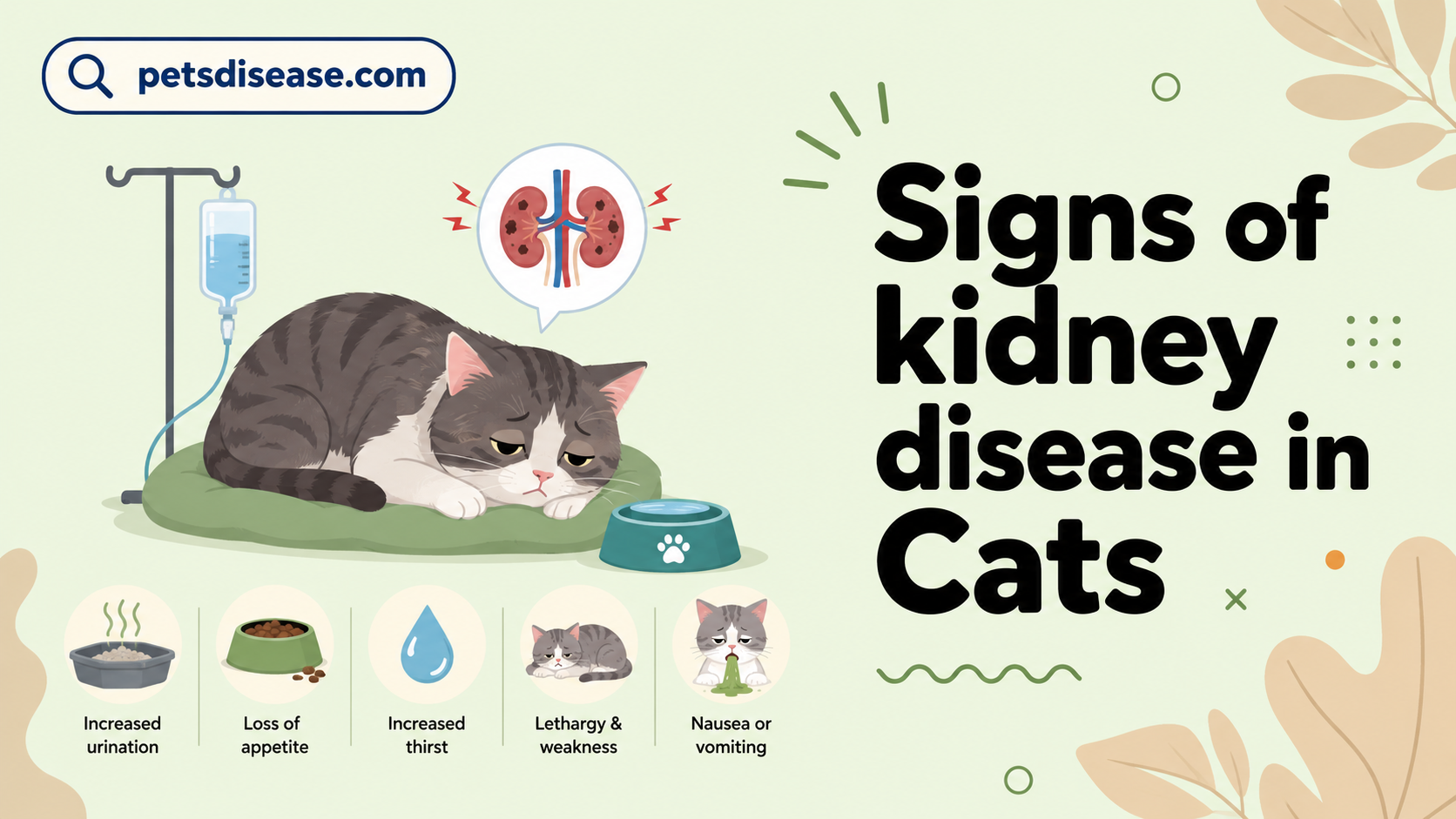
Cats can get sick just like people. However, many families do not notice the early signs of kidney disease in cats. Kidney disease can make a cat feel weak, tired, and thirsty. Therefore, pet owners should watch their cats carefully every day. Early care can help cats feel better and live happier lives.
Many cats show small changes before they become very sick. For example, a cat may drink more water, eat less food, or lose weight slowly. In addition, some cats may sleep more or stop playing often. These Signs of Kidney Disease in Cats can happen slowly, so families should pay close attention to their pet’s behavior.
Vets can help find kidney disease early with simple tests and checkups. Moreover, healthy food and proper care can help many cats stay comfortable longer. Families should always talk to a vet if they notice unusual changes in their cat. Learning about the Signs of Kidney Disease in Cats can help pet owners protect and care for their furry friends better every day.
Early Signs of Kidney Disease in Cats Every Owner Should Know
Increased Thirst and Frequent Urination
Many cat owners notice small behavior changes before they learn about kidney problems. Cats may start drinking more water than usual and visit the litter box more often. Moreover, some cats wake up during the night because they feel thirsty again and again. These early body changes happen because the kidneys cannot balance fluids properly. Signs of kidney disease in Cats often begin slowly, so families may not notice them right away.
Healthy kidneys help remove waste and keep the body balanced. However, damaged kidneys cannot save water correctly. As a result, cats lose more fluids and feel thirsty all the time. Pet owners should watch the water bowl carefully because sudden changes can point to health problems. In addition, some cats may start urinating outside the litter box because they cannot control the urge for long periods.
Vets often recommend blood and urine tests if a cat drinks too much water daily. Early treatment may help slow kidney damage and improve comfort. Therefore, quick attention can help cats stay active and happy longer. Families should also provide fresh water and healthy food to support kidney health every day.
| Symptom | What Owners Notice | Possible Effect |
| Drinking more water | Empty water bowl quickly | Dehydration risk |
| Frequent urination | More litter box visits | Fluid loss |
| Dry mouth | Sticky gums | Poor hydration |
| Weight loss | Body becomes thinner | Weakness |
| Less energy | Sleeping more often | Tiredness |
| Poor appetite | Refusing meals | Low nutrition |
| Bad breath | Strong mouth smell | Waste buildup |
| Pale gums | Light gum color | Poor health |
| Weak muscles | Trouble jumping | Less activity |
| Vomiting | Throwing up food | Stomach upset |
| Dull coat | Rough fur texture | Poor grooming |
Weight Loss and Low Appetite
Cats with kidney problems often lose interest in food slowly. They may sniff food but walk away without eating much. Furthermore, some cats become picky and only eat tiny amounts during the day. Weight loss can happen quickly because the body does not process nutrients correctly anymore.
Many pet owners feel confused when their cat suddenly becomes thinner. However, kidney disease can make cats feel sick or nauseous often. Therefore, they stop eating enough food to stay strong and healthy. Owners should monitor eating habits carefully because poor appetite may become dangerous over time.
Vets may suggest special kidney-friendly foods that contain balanced nutrients and lower phosphorus levels. In addition, soft foods may help cats eat more comfortably. Families should stay patient and supportive while helping their cat during treatment and recovery periods.
| Sign | Common Change | Why It Happens |
| Eating less | Smaller meals | Nausea |
| Rapid weight loss | Thin body shape | Poor nutrition |
| Weakness | Less movement | Low energy |
| Muscle loss | Smaller legs and body | Protein imbalance |
| Vomiting after meals | Food comes back up | Stomach irritation |
| Hiding behavior | Staying alone | Feeling unwell |
| Sad mood | Less excitement | Low comfort |
| Dehydration | Dry nose and gums | Fluid imbalance |
| Slow walking | Reduced strength | Fatigue |
| Dull fur | Untidy appearance | Poor grooming |
| Food refusal | Ignores favorite food | Loss of appetite |
Tiredness and Less Playfulness
Cats usually enjoy running, climbing, and exploring around the house. However, cats with kidney disease often sleep more and play less. They may stop chasing toys or avoid jumping onto furniture. These behavior changes can appear slowly over weeks or months.
Pet owners sometimes think aging alone causes these changes. Yet, kidney disease can lower energy levels because toxins build up inside the body. Therefore, cats may feel weak and tired during normal daily activities. Families should watch for sudden changes in activity because they can signal deeper health problems.
🐾 Pets Disease Dashboard
Select an animal to see diseases & symptoms
Regular vet visits help detect kidney problems before they become severe. In addition, healthy diets and proper hydration can support energy levels. Families who notice unusual tiredness should seek veterinary advice quickly to protect their cat’s health.
| Behavior Change | What Happens | Possible Cause |
| Sleeping more | Longer naps daily | Low energy |
| Less jumping | Avoids high places | Weak muscles |
| No interest in toys | Stops playing | Fatigue |
| Slow movement | Walks carefully | Weakness |
| Hiding often | Stays under furniture | Discomfort |
| Quiet behavior | Less interaction | Feeling sick |
| Reduced grooming | Untidy fur | Low strength |
| Weak legs | Trouble climbing | Muscle loss |
| Loss of curiosity | Ignores surroundings | Low mood |
| Low excitement | No response to treats | Poor health |
| Avoiding activity | Less movement overall | Exhaustion |
Common Signs of Kidney Disease in Cats at Home
Vomiting and Digestive Problems
Cats with kidney disease often experience stomach problems at home. Many cats vomit after eating or feel sick throughout the day. In addition, some cats develop diarrhea or nausea because toxins collect inside the body. Signs of kidney disease in Cats may include digestive issues that become more frequent over time.
Families should monitor vomiting carefully because repeated vomiting can lead to dehydration. Cats may also avoid food after feeling sick several times. Therefore, owners should pay close attention to changes in eating and bathroom habits. Small digestive problems can quickly become more serious without treatment.
Vets may recommend special foods, hydration support, and medications to reduce stomach discomfort. Moreover, regular checkups can help manage symptoms before they worsen. Quick care often improves comfort and helps cats feel more active again.
| Digestive Sign | What Owners See | Health Concern |
| Vomiting | Throwing up food | Dehydration |
| Diarrhea | Loose stool | Fluid loss |
| Nausea | Lip licking often | Upset stomach |
| Refusing food | Walking away from meals | Low nutrition |
| Weight loss | Becoming thinner | Poor health |
| Bad breath | Strong odor | Waste buildup |
| Constipation | Trouble using litter box | Digestive imbalance |
| Low appetite | Eating less daily | Weakness |
| Dry gums | Sticky mouth | Dehydration |
| Weakness | Low movement | Energy loss |
| Frequent swallowing | Mouth discomfort | Nausea |
Changes in Fur and Grooming
Healthy cats usually keep their fur clean and shiny every day. However, kidney disease may cause cats to stop grooming themselves properly. Their fur may become rough, messy, or oily over time. In addition, some cats develop dandruff because their skin becomes dry.
Poor grooming often happens because sick cats feel weak or uncomfortable. Therefore, they spend less time cleaning themselves during the day. Families may also notice hair shedding more than usual around the house. These small physical changes can help owners spot health issues early.
Owners should brush their cat gently and provide comfortable resting areas. Moreover, regular vet visits can help discover the reason behind sudden fur changes. Early support may improve comfort and overall quality of life for the cat.
| Fur Change | Common Sign | Possible Cause |
| Rough coat | Dry fur texture | Poor grooming |
| Hair shedding | More loose fur | Weak health |
| Greasy fur | Oily appearance | Low cleaning |
| Dandruff | White skin flakes | Dry skin |
| Tangled fur | Knotted hair | Less grooming |
| Thin coat | Fur loss | Poor nutrition |
| Dirty paws | Unclean feet | Weakness |
| Matted hair | Clumped fur | Lack of grooming |
| Pale skin | Light skin tone | Health decline |
| Slow grooming | Rare cleaning habits | Low energy |
| Dull appearance | No shine in coat | Kidney stress |
Litter Box Behavior Changes
Kidney disease often changes bathroom habits in noticeable ways. Cats may urinate more often or have accidents outside the litter box. Furthermore, some cats cry softly while trying to urinate because they feel uncomfortable. Families should never ignore sudden litter box changes.
Many owners first notice kidney problems after cleaning the litter box more frequently. However, they may not realize that kidney disease can cause these issues. Therefore, watching bathroom behavior carefully can help families detect problems earlier.
Vets use urine tests and blood tests to check kidney health properly. In addition, owners should keep litter boxes clean and easy to reach for older cats. Comfortable home care can help reduce stress and improve daily life.
| Litter Box Sign | What Happens | Possible Reason |
| Frequent urination | More bathroom visits | Kidney imbalance |
| Accidents outside box | Urinating on floor | Loss of control |
| Strong urine smell | Powerful odor | Waste buildup |
| Crying while urinating | Signs of discomfort | Pain |
| Large urine clumps | Bigger litter spots | Excess fluids |
| Restlessness | Moving around often | Urge to urinate |
| Night urination | Bathroom use at night | Increased thirst |
| Weak posture | Trouble squatting | Weak muscles |
| Dehydration | Dry body signs | Fluid loss |
| Reduced energy | Slow movements | Fatigue |
| Weight loss | Smaller body size | Poor health |
Warning Signs of Kidney Disease in Cats and When to Visit a Vet
Severe Dehydration and Weakness
Kidney disease can cause dangerous dehydration if treatment does not begin early. Cats may develop dry gums, sunken eyes, and weakness during severe illness. Moreover, some cats struggle to stand or walk because their bodies lose too many fluids. Signs of kidney disease in Cats become more serious when dehydration continues for long periods.
Families should contact a vet quickly if a cat refuses water or becomes extremely weak. Delayed treatment may cause major health complications and discomfort. Therefore, fast medical attention can protect the cat from worsening illness and pain.
Vets may provide fluids, blood tests, and supportive treatments to improve hydration. In addition, they may suggest dietary changes and medicines for long-term kidney care. Early action often helps cats feel more comfortable and stable.
| Warning Sign | What Owners Notice | Why It Matters |
| Dry gums | Sticky mouth | Severe dehydration |
| Sunken eyes | Tired appearance | Fluid loss |
| Weak walking | Trouble moving | Low strength |
| Refusing water | No drinking | Dangerous dehydration |
| Extreme tiredness | Sleeping constantly | Body weakness |
| Vomiting | Frequent sickness | Health decline |
| Weight loss | Thin body | Poor nutrition |
| Low appetite | No interest in food | Weakness |
| Pale gums | Light gum color | Poor circulation |
| Cold body | Low body warmth | Severe illness |
| Confusion | Strange behavior | Toxin buildup |
Trouble Breathing and Serious Illness
Some cats with advanced kidney disease develop breathing problems and serious weakness. They may breathe faster than normal or struggle to stay comfortable while resting. In addition, severe toxin buildup can affect the whole body and create dangerous symptoms.
Owners should seek emergency care if breathing problems appear suddenly. Moreover, cats that collapse, shake, or stop eating completely need urgent medical attention. Quick veterinary care may help stabilize the cat and reduce suffering.
Kidney disease affects each cat differently, so regular monitoring remains important. Families should follow treatment plans carefully and keep track of changing symptoms at home. Early care often provides better comfort and longer quality of life.
| Serious Symptom | Common Change | Emergency Risk |
| Fast breathing | Rapid chest movement | Breathing trouble |
| Collapse | Falling suddenly | Severe weakness |
| Shaking | Trembling body | Health emergency |
| No appetite | Stops eating | Starvation risk |
| Severe vomiting | Constant sickness | Dehydration |
| Confusion | Unusual actions | Toxin buildup |
| Crying sounds | Pain noises | Severe discomfort |
| Weak pulse | Low strength | Poor circulation |
| Cold ears | Low body warmth | Illness progression |
| Trouble standing | Cannot balance | Weak muscles |
| Extreme fatigue | No activity | Severe sickness |
Signs of Kidney Disease in Cats That Are Easy to Miss
Small Daily Behavior Changes
Many cats hide illness very well, so early symptoms can be difficult to notice. Some cats simply sleep more or stop greeting family members at the door. Furthermore, they may avoid climbing or playing even though they still eat normally. Signs of kidney disease in Cats sometimes appear as tiny behavior changes that owners overlook.
Families often think these changes happen because cats grow older naturally. However, hidden health problems may slowly affect energy and comfort levels. Therefore, paying attention to small routine changes can help owners catch kidney disease earlier.
Daily observation plays an important role in protecting cat health. In addition, regular vet checkups can help discover hidden kidney problems before symptoms become severe. Early care can improve comfort and support long-term health.
| Small Sign | Daily Change | Possible Meaning |
| Sleeping more | Longer naps | Low energy |
| Avoiding stairs | Less climbing | Weakness |
| Quiet behavior | Less interaction | Feeling sick |
| Hiding often | Staying alone | Discomfort |
| Slow walking | Reduced speed | Muscle weakness |
| Eating slowly | Longer meal times | Nausea |
| Less grooming | Untidy appearance | Fatigue |
| Drinking more | Empty bowl quickly | Kidney stress |
| Weight loss | Smaller body size | Poor nutrition |
| Less playfulness | Ignores toys | Low energy |
| Mood changes | Acting differently | Illness symptoms |
Signs of Kidney Disease in Cats in Older Cats
Aging Cats and Kidney Health
Older cats often face more health problems as they age. Many senior cats develop kidney disease slowly over time because the kidneys become weaker with age. In addition, aging cats may not show clear symptoms in the beginning. Signs of kidney disease in Cats can appear gradually, so families should monitor older pets very carefully.
Many owners notice that older cats drink more water and sleep longer during the day. However, these changes should not always be blamed on aging alone. Kidney problems can reduce energy levels and affect the whole body slowly. Therefore, regular health checks become very important for senior cats.
Vets often recommend yearly blood and urine tests for older cats. Moreover, healthy food and enough water may help support kidney function. Families who watch for early warning signs can help their cats stay comfortable and active longer.
| Symptom | Common Change | Possible Effect |
| Drinking more water | Empty bowl quickly | Dehydration risk |
| Sleeping more | Longer rest times | Low energy |
| Weight loss | Thin body shape | Weakness |
| Poor appetite | Eats less food | Nutrition loss |
| Weak muscles | Trouble jumping | Less movement |
| Vomiting | Throws up often | Stomach upset |
| Dull fur | Rough coat texture | Poor grooming |
| Frequent urination | More litter box use | Fluid imbalance |
| Bad breath | Strong mouth smell | Waste buildup |
| Hiding behavior | Avoids family | Feeling unwell |
| Slow walking | Reduced movement | Fatigue |
Reduced Energy and Daily Activity
Senior cats with kidney disease often stop enjoying their favorite activities. They may avoid climbing stairs, chasing toys, or exploring the house. Furthermore, some cats spend most of the day resting because they feel weak and tired.
Many owners feel confused when their once-active cat suddenly becomes quiet. However, kidney disease can reduce strength and lower energy slowly over time. Therefore, changes in activity levels should never be ignored in older cats.
Pet owners should create calm and comfortable spaces for aging cats. In addition, soft bedding and easy access to food and water can improve comfort. Regular vet visits may also help detect problems early and support better health.
| Behavior Change | What Owners Notice | Health Concern |
| Less playing | Ignores toys | Fatigue |
| Avoiding stairs | Stays downstairs | Weakness |
| Longer sleeping | Sleeps most of day | Low energy |
| Slow movement | Walks carefully | Muscle weakness |
| Hiding often | Avoids people | Discomfort |
| Reduced jumping | Avoids furniture | Joint weakness |
| Quiet behavior | Less interaction | Illness signs |
| Weak legs | Trouble standing | Muscle loss |
| Poor grooming | Untidy fur | Low strength |
| Low excitement | Ignores treats | Feeling sick |
| Restlessness | Cannot settle down | Discomfort |
Importance of Early Care for Older Cats
Early treatment can help older cats feel more comfortable and active. Kidney disease does not always have a cure, but proper care may slow the damage. Therefore, families should act quickly after noticing unusual symptoms.
Vets may suggest kidney-friendly foods, medicines, and hydration support. Moreover, regular checkups help track changes before symptoms become severe. Cats often respond better when treatment starts early.
Families should also provide emotional support and a peaceful environment. In addition, older cats need patience and gentle care during illness. Healthy routines and veterinary advice can improve quality of life for senior cats.
| Care Tip | Purpose | Benefit |
| Fresh water daily | Prevent dehydration | Better hydration |
| Kidney-friendly food | Support kidneys | Improved nutrition |
| Regular vet visits | Monitor health | Early treatment |
| Comfortable bedding | Reduce stress | Better rest |
| Easy litter access | Help movement | More comfort |
| Daily observation | Spot symptoms early | Faster care |
| Small meals | Improve appetite | Better eating |
| Quiet environment | Lower stress | Calm behavior |
| Medication support | Control symptoms | Pain relief |
| Grooming help | Keep coat clean | Better hygiene |
| Hydration therapy | Replace fluids | Increased comfort |
Physical Signs of Kidney Disease in Cats You Should Never Ignore
Changes in Fur, Eyes, and Body
Kidney disease can affect a cat’s appearance in many noticeable ways. Cats may develop rough fur, dull eyes, and unhealthy skin over time. In addition, some cats lose weight quickly and look thinner than usual. Signs of kidney disease in Cats often appear physically before owners fully understand the problem.
Many pet owners first notice changes in the coat or body shape. However, these symptoms can become worse if treatment gets delayed. Therefore, owners should pay attention to sudden physical changes and unusual appearance.
Vets often use blood and urine tests to confirm kidney disease. Moreover, proper nutrition and hydration may help improve physical health and comfort. Early care gives cats a better chance to stay active and healthy.
| Physical Sign | What Owners Notice | Possible Cause |
| Rough fur | Dry coat texture | Poor grooming |
| Weight loss | Thin body | Poor nutrition |
| Sunken eyes | Tired appearance | Dehydration |
| Pale gums | Light gum color | Poor circulation |
| Weak muscles | Trouble moving | Muscle loss |
| Bad breath | Strong odor | Waste buildup |
| Dry skin | Flaky skin | Dehydration |
| Weak posture | Slouched body | Fatigue |
| Dirty fur | Less grooming | Low energy |
| Hair shedding | More loose hair | Poor health |
| Thin legs | Smaller muscles | Weakness |
Vomiting and Dehydration Symptoms
Cats with kidney disease often vomit because toxins build up inside the body. Furthermore, dehydration may happen quickly because damaged kidneys lose too much fluid. Families should never ignore repeated vomiting or dry gums.
Many cats also stop drinking enough water after feeling sick often. Therefore, dehydration becomes more dangerous over time. Quick treatment may help prevent severe weakness and additional health problems.
Owners should provide fresh water daily and contact a vet if symptoms continue. In addition, monitoring food and water intake can help track changes early. Fast action often improves comfort and reduces suffering.
| Symptom | Common Change | Health Risk |
| Vomiting | Throws up food | Dehydration |
| Dry gums | Sticky mouth | Fluid loss |
| Weakness | Less movement | Low energy |
| Poor appetite | Refuses food | Weight loss |
| Fast breathing | Rapid chest movement | Serious illness |
| Weight loss | Thin body | Nutrition problems |
| Low activity | Sleeps more | Fatigue |
| Sunken eyes | Tired look | Severe dehydration |
| Frequent urination | More litter use | Kidney stress |
| Nausea | Lip licking | Stomach upset |
| Bad breath | Mouth odor | Waste buildup |
Serious Symptoms That Need Immediate Care
Some kidney disease symptoms become emergencies very quickly. Cats may stop eating completely, collapse, or struggle to walk properly. Moreover, severe dehydration can damage the body rapidly without treatment.
Owners should visit a vet immediately if symptoms become extreme. Delayed care may increase suffering and create dangerous complications. Therefore, emergency symptoms should always receive fast medical attention.
Veterinarians may provide fluids, medicines, and supportive treatment to stabilize the cat. In addition, quick diagnosis can improve recovery chances and comfort levels. Families should never wait too long during serious illness.
| Emergency Sign | What Happens | Why It Matters |
| Collapse | Falls suddenly | Severe weakness |
| Refusing water | Stops drinking | Dangerous dehydration |
| Trouble walking | Weak legs | Muscle loss |
| Confusion | Strange behavior | Toxin buildup |
| Severe vomiting | Constant sickness | Fluid loss |
| No appetite | Stops eating | Starvation risk |
| Fast breathing | Heavy breathing | Medical emergency |
| Crying sounds | Pain noises | Severe discomfort |
| Cold body | Low body warmth | Illness progression |
| Trembling | Shaking body | Serious weakness |
| Unresponsiveness | No reaction | Emergency condition |
Signs of Kidney Disease in Cats Like Weight Loss and Weakness
Sudden Weight Loss in Cats
Weight loss is one of the most common signs of kidney disease in cats. Many cats become thinner even when they continue eating small amounts of food. In addition, weak kidneys cannot process nutrients correctly, which affects the whole body. Signs of kidney disease in Cats may include fast weight loss that owners notice over several weeks.
Some cats lose muscle around the legs and back first. However, families may think the cat simply looks older or smaller naturally. Therefore, regular weight checks can help detect health problems earlier.
Vets often recommend blood tests and special diets after sudden weight changes. Moreover, early care can improve strength and overall comfort. Healthy nutrition may also help slow further body weakness.
| Weight Loss Sign | What Owners Notice | Possible Cause |
| Thin body | Smaller appearance | Poor nutrition |
| Visible bones | Sharp body shape | Muscle loss |
| Weak legs | Trouble walking | Low strength |
| Less eating | Smaller meals | Nausea |
| Fatigue | Sleeps more | Energy loss |
| Loose skin | Less body fat | Weight reduction |
| Weak jumping | Cannot climb easily | Muscle weakness |
| Low energy | Less movement | Illness |
| Smaller muscles | Thin back legs | Protein loss |
| Slow walking | Reduced speed | Weakness |
| Poor posture | Slouched body | Fatigue |
Weakness and Low Energy Levels
Cats with kidney disease often feel tired throughout the day. They may avoid movement, rest more often, and stop playing with favorite toys. Furthermore, severe weakness can affect balance and walking.
Many owners notice that their cat no longer enjoys daily activities. However, low energy may signal serious kidney problems rather than simple aging. Therefore, sudden tiredness should always receive attention.
Healthy diets, hydration, and vet care may improve strength in some cats. In addition, comfortable sleeping spaces can reduce stress and improve recovery. Families should support their cats gently during treatment.
| Weakness Sign | Daily Change | Health Concern |
| Sleeping more | Long naps | Fatigue |
| Avoiding play | Ignores toys | Weakness |
| Slow walking | Reduced movement | Low strength |
| Trouble jumping | Avoids furniture | Muscle loss |
| Hiding behavior | Stays alone | Feeling sick |
| Weak posture | Slouches often | Exhaustion |
| Less grooming | Untidy fur | Low energy |
| Quiet behavior | Less interaction | Discomfort |
| Reduced appetite | Eats slowly | Illness |
| Poor balance | Wobbly walking | Weak muscles |
| No excitement | Ignores treats | Low mood |
Signs of Kidney Disease in Cats With Vomiting and Low Appetite
Vomiting After Eating
Cats with kidney disease may vomit more often after meals. Toxins inside the body can upset the stomach and create nausea throughout the day. In addition, some cats throw up clear liquid or partially digested food. Signs of kidney disease in Cats often include vomiting that continues for several days.
Owners should monitor vomiting carefully because repeated sickness can cause dehydration quickly. Some cats also avoid food after vomiting often. Therefore, early treatment becomes very important for comfort and recovery.
Vets may recommend medicines and kidney-friendly foods to reduce stomach problems. Moreover, fresh water and small meals may help improve digestion. Quick care often prevents symptoms from becoming worse.
| Vomiting Sign | Common Change | Health Risk |
| Throwing up food | Vomits after meals | Dehydration |
| Nausea | Lip licking | Stomach upset |
| Refusing food | Walks away from bowl | Weight loss |
| Dry gums | Sticky mouth | Fluid loss |
| Weakness | Low movement | Fatigue |
| Weight loss | Thin body | Poor nutrition |
| Frequent vomiting | Repeated sickness | Severe illness |
| Bad breath | Mouth odor | Waste buildup |
| Sleeping more | Long rest periods | Low energy |
| Diarrhea | Loose stool | Dehydration |
| Less drinking | Avoids water | Fluid imbalance |
Loss of Appetite and Poor Eating Habits
Many cats with kidney disease lose interest in food slowly. They may sniff meals but refuse to eat enough for proper nutrition. Furthermore, some cats only eat treats and ignore regular meals.
Poor appetite can lead to dangerous weakness if treatment does not begin quickly. Therefore, families should monitor food intake every day. Small eating changes may become serious health concerns over time.
Special kidney diets may help improve appetite and digestion. In addition, warm soft foods can encourage cats to eat more comfortably. Owners should remain patient and supportive during feeding times.
| Appetite Change | What Owners See | Possible Cause |
| Eating less | Smaller meals | Nausea |
| Food refusal | Ignores meals | Illness |
| Weight loss | Thin appearance | Low nutrition |
| Weakness | Less activity | Energy loss |
| Sniffing food only | No eating | Stomach discomfort |
| Slow eating | Takes longer to finish | Low appetite |
| Vomiting | Throws up meals | Digestive issues |
| Hiding behavior | Avoids family | Feeling sick |
| Dry mouth | Sticky gums | Dehydration |
| Low excitement | No food interest | Poor health |
| Fatigue | More sleeping | Weakness |
Signs of Kidney Disease in Cats Reddit Users Often Talk About
Common Symptoms Shared Online
Many cat owners online discuss similar kidney disease symptoms in older cats. They often mention increased thirst, weight loss, vomiting, and low energy. In addition, many families describe how symptoms started slowly before becoming more serious. Signs of kidney disease in Cats shared in online communities can help owners recognize problems earlier.
People often feel worried when their cats suddenly change behavior at home. Therefore, online discussions sometimes provide comfort and shared experiences. However, pet owners should always speak with a vet instead of relying only on internet advice.
Veterinary care remains the safest way to confirm kidney disease. Moreover, professional treatment plans can help improve comfort and long-term health. Families should use online stories as support, not as medical diagnosis.
| Shared Symptom | What Owners Report | Common Concern |
| Drinking more | Empty water bowls | Dehydration |
| Vomiting | Frequent sickness | Kidney stress |
| Weight loss | Thin body | Weakness |
| Low energy | Sleeping more | Fatigue |
| Poor appetite | Eats less food | Illness |
| Bad breath | Strong odor | Waste buildup |
| Frequent urination | More litter use | Kidney imbalance |
| Hiding behavior | Staying alone | Discomfort |
| Weak muscles | Trouble jumping | Muscle loss |
| Rough fur | Poor grooming | Health decline |
| Diarrhea | Loose stool | Digestive upset |
Emotional Concerns From Cat Owners
Many cat owners feel emotional stress after learning about kidney disease. They often worry about pain, comfort, and long-term quality of life. Furthermore, families sometimes feel confused because symptoms can change from day to day.
Online discussions show how important emotional support can become during pet illness. Therefore, families should seek guidance from vets and trusted professionals. Clear medical advice often reduces fear and confusion.
Owners should focus on comfort, healthy routines, and regular veterinary care. In addition, patience and love can help cats feel calmer during treatment. Supportive care often improves daily life for both pets and families.
| Emotional Concern | Common Feeling | Helpful Action |
| Fear of suffering | Worry about pain | Vet consultation |
| Stress | Emotional pressure | Family support |
| Confusion | Unsure about symptoms | Health testing |
| Sadness | Concern for pet | Comfort care |
| Anxiety | Fear of worsening illness | Regular checkups |
| Sleep problems | Worry at night | Vet guidance |
| Guilt | Feeling responsible | Education |
| Uncertainty | Unsure about future | Monitoring symptoms |
| Emotional exhaustion | Mental stress | Rest and support |
| Concern about eating | Watching appetite | Special diets |
| Fear of dehydration | Worry about fluids | Hydration care |
Signs of Kidney Disease in Cats Reddit Diarrhea Discussions and Symptoms
Diarrhea and Digestive Problems in Cats
Many online discussions mention diarrhea as a symptom linked with kidney disease. Cats may develop loose stool because toxins affect digestion and overall body balance. In addition, dehydration can become worse when diarrhea continues for several days. Signs of kidney disease in Cats sometimes include digestive problems that owners overlook early.
Families should monitor litter box changes carefully because diarrhea can quickly weaken a cat. Some cats also stop eating or drinking during stomach discomfort. Therefore, fast veterinary care becomes very important.
Vets may recommend fluids, special diets, and medications to improve digestion. Moreover, proper hydration can help prevent dangerous complications. Early treatment often supports faster recovery and comfort.
| Digestive Symptom | What Owners Notice | Possible Effect |
| Diarrhea | Loose stool | Dehydration |
| Vomiting | Throws up food | Fluid loss |
| Low appetite | Eats less | Weakness |
| Weight loss | Thin body | Poor nutrition |
| Weakness | Less movement | Fatigue |
| Dry gums | Sticky mouth | Dehydration |
| Frequent litter use | More bathroom visits | Digestive upset |
| Nausea | Lip licking | Stomach discomfort |
| Bad breath | Mouth odor | Waste buildup |
| Sleeping more | Long naps | Low energy |
| Refusing water | Stops drinking | Severe dehydration |
Monitoring Symptoms at Home
Cat owners should observe bathroom habits and eating changes every day. Small digestive issues may become serious quickly if treatment gets delayed. Furthermore, dehydration can worsen kidney disease symptoms and reduce comfort levels.
Families should contact a vet if diarrhea lasts longer than one or two days. Therefore, early medical support may help prevent severe illness and dangerous weakness. Watching symptoms closely can improve treatment success.
Owners can also support recovery by offering fresh water and calm resting spaces. In addition, clean litter boxes help monitor stool changes more clearly. Careful observation often helps families notice worsening symptoms sooner.
| Home Observation | Common Change | Why It Matters |
| Loose stool | Soft litter waste | Digestive issue |
| Less eating | Smaller meals | Weakness risk |
| More sleeping | Low activity | Fatigue |
| Dry mouth | Sticky gums | Dehydration |
| Vomiting | Food sickness | Fluid loss |
| Hiding behavior | Avoids family | Discomfort |
| Weight loss | Thin body | Poor nutrition |
| Weak legs | Trouble walking | Muscle weakness |
| Drinking less | No water intake | Severe dehydration |
| Fast breathing | Rapid chest movement | Health emergency |
| Low energy | No playfulness | Illness progression |
Conclusion :
Understanding the Signs of kidney disease in Cats can help families protect their pets and provide better daily care. Many symptoms, such as weight loss, vomiting, increased thirst, weakness, and low appetite, may appear slowly over time. Therefore, cat owners should pay close attention to even small behavior changes at home. Early detection often gives vets more treatment options and helps cats stay comfortable longer.
Cats with kidney disease need love, patience, healthy food, fresh water, and regular veterinary care. Moreover, supportive home routines can improve comfort and reduce stress during illness. Families should never ignore ongoing symptoms because fast medical attention may prevent serious health problems later. Regular checkups also help monitor changes before they become severe.
Every cat deserves a safe and caring environment during health challenges. By learning the warning signs early, pet owners can make informed decisions and support their furry companions with kindness, comfort, and proper medical care every day.
FAQs
What are the first signs of kidney disease in cats?
The first signs often include drinking more water, frequent urination, weight loss, and tiredness. Some cats also lose interest in food or sleep more than usual. These symptoms may appear slowly, so owners should watch daily habits carefully. Early vet care can help detect kidney disease before symptoms become severe and difficult to manage.
Do older cats get kidney disease more often?
Yes, kidney disease is very common in older cats. As cats age, their kidneys may become weaker over time. Senior cats often show symptoms like weakness, poor appetite, and increased thirst. Regular vet visits and healthy diets can help older cats stay comfortable and support better kidney health during aging.
Can kidney disease in cats cause vomiting?
Yes, many cats with kidney disease experience vomiting because toxins build up inside the body. Frequent vomiting may also lead to dehydration and weakness. Some cats stop eating after feeling sick repeatedly. Owners should contact a vet if vomiting continues for several days or becomes severe suddenly.
Why do cats with kidney disease drink more water?
Damaged kidneys cannot balance fluids properly, so cats lose more water through urination. As a result, they feel thirsty more often and drink larger amounts of water daily. Increased thirst is one of the most common kidney disease symptoms. Owners should monitor water intake and report sudden changes to a veterinarian.
Can kidney disease make cats lose weight?
Yes, kidney disease often causes weight loss because cats may eat less and process nutrients poorly. Muscle loss can also happen over time, especially in older cats. Families should watch for visible bones, weak legs, and smaller body size. Early treatment may help improve appetite and maintain strength.
Is diarrhea a sign of kidney disease in cats?
Diarrhea can happen in some cats with kidney disease, especially when toxins affect digestion. However, diarrhea may also result from other health conditions. Owners should monitor stool changes carefully and contact a vet if diarrhea continues, causes dehydration, or appears with vomiting and weakness.
How do vets diagnose kidney disease in cats?
Vets usually diagnose kidney disease through blood tests, urine tests, and physical exams. These tests help measure kidney function and detect waste buildup in the body. Early testing often helps identify kidney problems before symptoms become serious. Regular health checkups are especially important for older cats.
Can cats live a long time with kidney disease?
Many cats can live comfortably for months or even years with proper treatment and supportive care. Special diets, medications, hydration support, and regular vet visits often improve quality of life. Early diagnosis usually provides better treatment options and helps slow kidney damage over time.
When should I take my cat to the vet for kidney symptoms?
Owners should visit a vet if their cat drinks too much water, loses weight, vomits often, or becomes unusually weak. Quick medical care may help prevent serious complications. Sudden behavior changes, poor appetite, and severe tiredness should never be ignored because they can signal worsening kidney problems.
Can kidney disease in cats be prevented?
Kidney disease cannot always be prevented completely, especially in older cats. However, healthy food, fresh water, regular exercise, and yearly vet checkups may lower health risks. Early medical care also helps manage symptoms more effectively. Families who monitor their cat’s behavior closely can often detect problems sooner.