
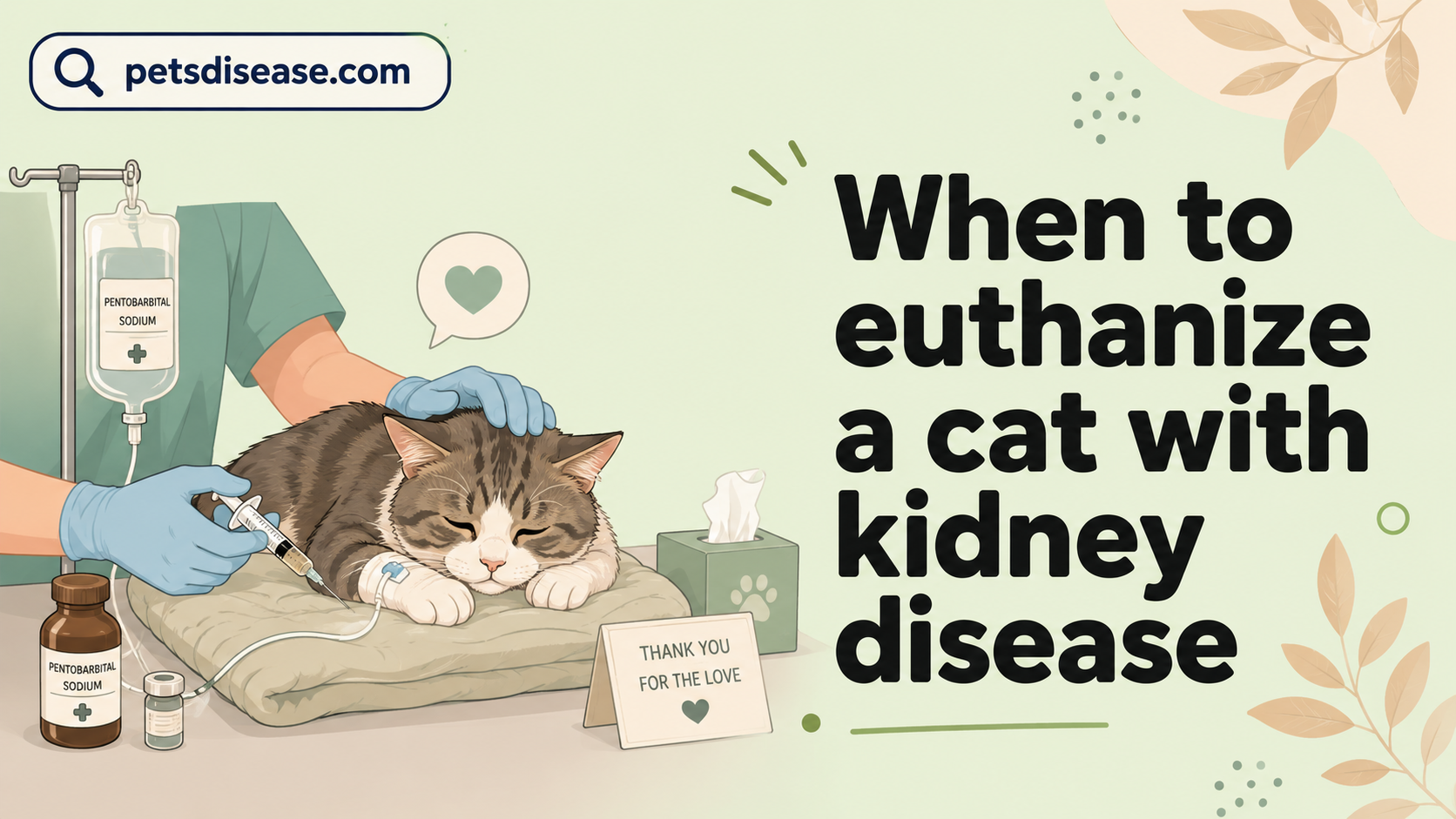
Deciding when to euthanize a cat with kidney disease is one of the hardest choices a pet owner can face. It brings strong emotions, because cats are part of the family. Kidney disease slowly affects how a cat eats, drinks, moves, and feels. As a result, owners often feel confused and worried about what to do next.
In many cases, kidney disease gets worse over time. However, not every stage looks the same. For example, some cats still enjoy food and attention, while others may stop eating or feel constant pain. Therefore, it is important to watch for changes in behavior, energy, and comfort. In addition, veterinarians can guide families with honest advice and medical support.
Most importantly, the focus should always stay on the cat’s quality of life. When a cat can no longer enjoy daily activities or feels constant discomfort, then difficult decisions may need to be considered. With proper guidance and care, owners can choose the most kind and peaceful option for their beloved pet.
Understanding When to Euthanize a Cat With Kidney Disease
The Emotional Difficulty of the Decision
Making the decision about how long do cats live with kidney disease and when to consider euthanasia is one of the most emotional moments for any pet owner. First of all, cats are not just pets; they are family members. Therefore, when their health begins to decline, owners often feel stress, confusion, and sadness. In addition, kidney disease develops slowly, so changes may not always be easy to notice at the beginning. However, as the condition progresses, it becomes important to carefully observe comfort levels, daily habits, and overall well-being.
Moreover, veterinarians often guide families through this process with compassion and medical knowledge. They help owners understand whether treatment is still improving the cat’s life or if suffering is increasing. As a result, the decision becomes less about emotion alone and more about the cat’s quality of life. Furthermore, open communication with a vet helps ensure that choices are made with care, dignity, and love.
Understanding Quality of Life
Quality of life is the most important factor when thinking about euthanasia. For example, a cat that still eats, drinks, and interacts may still enjoy life even with kidney disease. However, when these basic activities stop, it may indicate that the condition has reached a severe stage. Therefore, owners should closely monitor daily behavior and physical changes.
In addition, signs such as constant pain, refusal to eat, or extreme weakness can show that the body is struggling. Consequently, veterinarians often use quality-of-life scales to guide decisions. These tools help families see the situation more clearly and make informed choices.
The Role of Veterinary Guidance
Veterinarians play a key role in helping owners understand how long do cats live with kidney disease and when euthanasia may be necessary. They evaluate medical tests, physical condition, and behavior changes. Therefore, their guidance is based on both science and experience.
🐾 Pets Disease Dashboard
Select an animal to see diseases & symptoms
Moreover, vets focus on reducing suffering and improving comfort whenever possible. However, when treatment no longer helps, they may gently discuss end-of-life options. As a result, families receive support during a very difficult time.
Comparison of Quality of Life Factors
| Factor | Good Quality | Poor Quality |
| Appetite | Eats normally | Refuses food |
| Hydration | Drinks water | Severe dehydration |
| Energy | Active | Very weak |
| Mobility | Moves easily | Difficulty walking |
| Interaction | Social | Withdrawn |
| Grooming | Self-care | Neglects grooming |
| Weight | Stable | Rapid loss |
| Vomiting | Rare | Frequent |
| Comfort | Relaxed | Signs of pain |
| Breathing | Normal | Labored |
| Response | Engages | No response |
| Behavior | Normal | Depressed |
Signs Your Cat May Be in the Final Stage of Kidney Disease
Severe Physical Decline
In the final stage of kidney disease, cats often show noticeable physical decline. For instance, they may lose a large amount of weight and appear very weak. As a result, their muscles shrink, and they may struggle to stand or walk. In addition, dehydration becomes more severe even if the cat drinks water.
Furthermore, coat condition often becomes very poor, and the fur may look dull or unclean. Therefore, these physical changes are strong warning signs that the body is no longer functioning well. Owners should take these signs seriously and consult a veterinarian quickly.
Behavioral and Emotional Changes
Behavior changes are also common in late-stage kidney disease. Cats may hide more often, sleep constantly, or avoid interaction with people. Consequently, they may stop showing interest in toys, food, or their surroundings.
Moreover, some cats appear confused or restless due to toxin buildup in the body. As a result, their normal personality may change significantly. These emotional and mental shifts often indicate severe illness.
Digestive and Organ Failure Signs
Digestive problems become more severe as kidney disease progresses. For example, vomiting may happen frequently, and nausea may cause refusal to eat. In addition, diarrhea and mouth ulcers can appear in advanced cases.
Therefore, the body struggles to process waste properly, leading to overall organ failure. These signs are often associated with end-stage conditions and require immediate veterinary attention.
Comparison of End-Stage Symptoms
| Symptom | Mild Stage | End Stage |
| Weight loss | Slow | Severe |
| Appetite | Reduced | None |
| Energy | Low | Very low |
| Vomiting | Occasional | Frequent |
| Hydration | Mild issue | Severe dehydration |
| Movement | Slower | Very difficult |
| Awareness | Normal | Confused |
| Grooming | Less | None |
| Interaction | Reduced | Absent |
| Pain signs | Mild | Strong |
| Kidney function | Reduced | Minimal |
| Comfort | Fair | Poor |
How Kidney Failure Affects a Cat’s Quality of Life
Impact on Daily Activities
Kidney failure affects almost every part of a cat’s daily life. For example, simple actions like eating, drinking, and moving become harder. As a result, cats may stop enjoying activities they once loved.
In addition, fatigue increases as toxins build up in the body. Therefore, cats spend more time sleeping and less time interacting. This gradual decline often helps owners understand how long do cats live with kidney disease and how quality of life changes over time.
Physical Discomfort and Weakness
As kidney disease worsens, physical discomfort becomes more common. Cats may feel nauseous, weak, or dehydrated. Consequently, they may refuse food and water, which further weakens their body.
Moreover, muscle loss and weight reduction make movement even more difficult. Therefore, simple tasks like jumping or walking can become stressful or painful.
Emotional and Behavioral Effects
Kidney failure does not only affect the body; it also affects behavior. Cats may become less social or show signs of depression. In addition, they may avoid family members or hide in quiet places.
As a result, their personality may change significantly. These emotional changes often signal a decline in overall well-being.
Comparison of Quality of Life Impact
| Area | Healthy Cat | Kidney Failure Cat |
| Eating | Normal | Poor or none |
| Drinking | Balanced | Excess or low |
| Energy | Active | Weak |
| Mood | Happy | Withdrawn |
| Mobility | Easy | Difficult |
| Grooming | Regular | Neglected |
| Weight | Stable | Loss |
| Interaction | Social | Isolated |
| Comfort | High | Low |
| Sleep | Normal | Excessive |
| Appetite | Good | Very low |
| Hydration | Balanced | Unstable |
Loss of Appetite and Weight Loss in Cats With Kidney Disease
Why Appetite Decreases
Loss of appetite is a major sign in kidney disease. As toxins build up in the blood, cats feel nauseous and lose interest in food. Therefore, eating becomes uncomfortable or unpleasant.
In addition, changes in taste and smell may affect eating behavior. As a result, cats may reject even their favorite foods. This is an important factor when considering how long do cats live with kidney disease because nutrition directly affects survival.
Weight Loss and Muscle Wasting
When cats stop eating properly, they begin to lose weight quickly. Furthermore, the body starts breaking down muscle for energy. Consequently, the cat becomes weaker over time.
In addition, visible bones and thin body condition may appear in advanced stages. Therefore, weight loss is a clear warning sign of serious illness.
Veterinary Support for Nutrition
Veterinarians often try to manage appetite loss with special diets, medications, and feeding support. However, when the condition becomes severe, these methods may not always work.
As a result, treatment focuses on comfort and reducing suffering. Therefore, monitoring eating habits is very important.
Comparison of Appetite and Weight Changes
| Feature | Early Stage | Late Stage |
| Appetite | Slightly reduced | None |
| Eating behavior | Slow | Refuses food |
| Weight loss | Mild | Severe |
| Muscle mass | Stable | Wasting |
| Energy from food | Moderate | None |
| Response to food | Accepts | Rejects |
| Hydration support | Good | Poor |
| Recovery ability | High | Low |
| Body condition | Fair | Very poor |
| Strength | Moderate | Weak |
| Nutritional intake | Partial | Minimal |
| Comfort | Stable | Declining |
When a Cat Stops Responding to Treatment
Reduced Effect of Medications
As kidney disease progresses, medications may stop working effectively. Initially, treatment may improve appetite, hydration, and energy. However, over time, the body becomes less responsive.
Therefore, veterinarians may adjust medications or suggest alternative care. In addition, they monitor changes closely to decide next steps.
Ongoing Decline Despite Care
Even with treatment, some cats continue to decline. For example, they may lose weight, remain weak, or refuse food. Consequently, the goal of treatment may shift from recovery to comfort.
This stage is important when considering how long do cats live with kidney disease because response to treatment strongly affects survival.
Decision-Making With Compassion
When treatment no longer improves quality of life, veterinarians may discuss euthanasia as a compassionate option. Therefore, the focus shifts to preventing suffering.
Moreover, families are supported through this emotional process with care and understanding.
Comparison of Treatment Response
| Treatment Factor | Responding Cat | Non-Responding Cat |
| Medication effect | Effective | Weak |
| Appetite improvement | Yes | No |
| Energy level | Improved | Declining |
| Weight stability | Maintained | Loss continues |
| Hydration | Improved | Poor |
| Vomiting control | Yes | No |
| Comfort level | Better | Poor |
| Disease progression | Slowed | Rapid |
| Quality of life | Good | Low |
| Vet response | Monitoring | End-of-life care |
| Recovery chance | Possible | Unlikely |
| Overall condition | Stable | Deteriorating |
Severe Lethargy and Weakness in End-Stage Kidney Disease
Extreme Fatigue and Low Energy
In the final stages of kidney disease, cats often experience severe lethargy and weakness in end-stage kidney disease. At this point, the body can no longer remove toxins properly, so these waste products build up in the blood. As a result, the cat feels extremely tired and may sleep almost all day. In addition, simple activities like standing, walking, or eating become very difficult. Therefore, owners may notice a dramatic drop in energy levels.
Moreover, the cat may stop responding to normal sounds, people, or surroundings. This happens because the body is under constant stress. Consequently, the cat spends most of its time resting without interest in normal activities. This stage often signals serious decline in overall health. But even at this stage we should not move to beging thinking When to euthanize a cat with kidney disease
Muscle Loss and Physical Decline
As kidney disease worsens, muscle wasting becomes very noticeable. For example, the cat may lose strength in its legs and struggle to move. In addition, the body begins breaking down muscle to survive, which makes weakness even worse.
Furthermore, weight loss often becomes severe. Therefore, the cat may appear very thin and fragile. This physical decline is a strong indicator that the disease has reached an advanced stage.
Reduced Awareness and Response
In end-stage disease, cats may also show reduced awareness. They may not respond to their name or familiar voices. In addition, they may appear confused or distant.
As a result, this change in behavior often shows that the body is shutting down. Understanding how long do cats live with kidney disease becomes important at this stage, as quality of life is significantly affected.
Comparison of Weakness Signs
| Sign | Early Stage | End Stage |
| Energy level | Slightly low | Extremely low |
| Movement | Normal | Very limited |
| Response to voice | Responsive | Unresponsive |
| Muscle mass | Stable | Severe loss |
| Sleeping time | Moderate | Almost constant |
| Appetite | Reduced | None |
| Activity | Light play | No activity |
| Awareness | Normal | Confused |
| Strength | Fair | Very weak |
| Interaction | Present | Absent |
| Comfort | Moderate | Poor |
| Mobility | Easy | Difficult |
Chronic Pain and Discomfort in Cats With Kidney Problems
Ongoing Physical Discomfort
Cats with advanced kidney disease may experience chronic pain and discomfort in cats with kidney problems. Although cats hide pain well, owners may notice subtle signs such as restlessness or constant shifting. In addition, toxins in the body can cause nausea and internal discomfort.
Therefore, the cat may appear uneasy even when resting. As a result, sleep becomes less peaceful, and behavior changes may appear over time. At such times some families are expected to think about When to euthanize a cat with kidney disease
Signs of Pain in Daily Behavior
Pain in cats may not always be obvious. However, they may stop grooming, hide more often, or avoid being touched. In addition, they may become less social with family members.
Furthermore, some cats may cry softly or act restless. Therefore, these signs often indicate discomfort that requires veterinary attention.
Veterinary Pain Management
Veterinarians focus on improving comfort through medications and supportive care. As a result, many cats experience relief from nausea and internal discomfort. However, in advanced stages, pain control may become more difficult.
Understanding how long do cats live with kidney disease helps guide decisions about comfort-focused care when pain becomes persistent.
Comparison of Pain Indicators
| Symptom | Mild Disease | Advanced Disease |
| Restlessness | Rare | Frequent |
| Grooming | Normal | Stopped |
| Social behavior | Active | Withdrawn |
| Vocalization | Rare | Occasional crying |
| Appetite | Slight loss | No appetite |
| Movement | Normal | Slow and careful |
| Comfort level | Good | Poor |
| Touch response | Normal | Sensitive |
| Sleep quality | Good | Disturbed |
| Stress signs | Low | High |
| Body tension | Mild | Strong |
| Activity level | Moderate | Very low |
When Kidney Disease Causes Frequent Vomiting and Nausea
Digestive System Breakdown
In advanced kidney disease, the digestive system is heavily affected. As toxins build up in the blood, they irritate the stomach lining. Consequently, when kidney disease causes frequent vomiting and nausea, cats may refuse food and water.
In addition, nausea becomes constant in many cases. Therefore, the cat may feel sick even without eating.
Frequent Vomiting Episodes
Vomiting may occur several times a day in severe cases. For example, cats may vomit food, foam, or bile. As a result, the body loses fluids quickly, increasing dehydration risk.
Furthermore, repeated vomiting weakens the cat even more. Therefore, this symptom is often a sign of advanced disease.
Loss of Nutritional Intake
Because of nausea, cats often stop eating completely. In addition, they may avoid food bowls or walk away after smelling food. Consequently, the body becomes weaker due to lack of nutrition.
Understanding how long do cats live with kidney disease becomes very important when eating stops, as nutrition directly affects survival.
Comparison of Digestive Symptoms
| Symptom | Early Stage | Severe Stage |
| Nausea | Mild | Constant |
| Vomiting | Rare | Frequent |
| Appetite | Reduced | None |
| Water intake | Increased | Unstable |
| Weight | Slight loss | Severe loss |
| Hydration | Stable | Poor |
| Energy | Moderate | Very low |
| Digestion | Normal | Poor |
| Comfort | Fair | Low |
| Food interest | Present | Absent |
| Recovery | Possible | Limited |
| Health status | Stable | Declining |
Veterinarian Guidance on End-of-Life Decisions for Cats
Professional Medical Evaluation
Veterinarians provide essential support when making end-of-life decisions. They carefully evaluate the cat’s condition, symptoms, and quality of life. In addition, they use medical tests to understand how far the disease has progressed.
Therefore, their advice is based on experience and medical knowledge. As a result, families receive clear and compassionate guidance.
Quality of Life Assessment
Vets often use quality-of-life scales to measure comfort levels. For example, they assess eating habits, mobility, and pain levels. In addition, they consider whether treatment still helps improve daily life.
Understanding how long do cats live with kidney disease is only part of the decision; comfort matters just as much.
Support for Families
Veterinarians also support families emotionally. They explain options clearly and help owners make informed choices. Therefore, the decision becomes more peaceful and less confusing. Families should never be in hurry while deciding When to euthanize a cat with kidney disease
In addition, they ensure the cat’s comfort remains the top priority throughout care.
Comparison of Veterinary Evaluation Factors
| Factor | Healthy State | End-of-Life Concern |
| Appetite | Normal | None |
| Mobility | Good | Very limited |
| Pain level | Low | High |
| Response | Active | Minimal |
| Hydration | Stable | Severe loss |
| Weight | Stable | Severe loss |
| Comfort | High | Low |
| Treatment response | Good | Poor |
| Energy | Normal | Very weak |
| Interaction | Social | Absent |
| Health outlook | Stable | Declining |
| Care focus | Recovery | Comfort |
How to Know When It Is Time to Say Goodbye to Your Cat
Recognizing Final Decline
Knowing how long do cats live with kidney disease helps owners prepare emotionally, but the decision often depends on quality of life. When a cat stops eating, moving, or responding, it may indicate final decline.
In addition, constant suffering or distress becomes an important warning sign. Therefore, observing daily behavior is essential.
Signs of Poor Quality of Life
Cats may stop enjoying normal activities. For example, they may not eat, drink, or interact with family. In addition, they may appear confused or constantly uncomfortable.
As a result, life may no longer feel peaceful for the cat. This stage often requires careful evaluation.
Making a Compassionate Decision
Euthanasia is considered when suffering cannot be relieved. Veterinarians guide families through this process with care and respect. Therefore, the goal is to prevent pain and provide peace. So, it should be decided careful about When to euthanize a cat with kidney disease.
Moreover, many owners choose this option to ensure their cat passes gently and without distress.
Comparison of End-of-Life Indicators
| Indicator | Manageable Stage | End Stage |
| Eating | Present | Absent |
| Drinking | Normal | Poor |
| Energy | Low | None |
| Pain | Mild | Severe |
| Awareness | Clear | Confused |
| Movement | Possible | Very difficult |
| Comfort | Fair | Very poor |
| Interaction | Some | None |
| Response | Present | Absent |
| Hydration | Stable | Severe loss |
| Recovery chance | Possible | None |
| Quality of life | Acceptable | Very poor |
Conclusion :
Deciding when to euthanize a cat with kidney disease is never easy, and it often comes with deep emotional pain. However, the most important focus should always be your cat’s comfort and quality of life. When a cat can no longer eat, move, or enjoy daily activities, it may be a sign that the disease has reached a very serious stage. In addition, constant pain, extreme weakness, and lack of response to treatment can indicate that suffering is increasing.
Therefore, gentle observation and honest guidance from a veterinarian are very important. Moreover, vets can help you understand your cat’s condition clearly and support you through each step. While love makes this decision difficult, compassion ensures your cat does not suffer unnecessarily. Ultimately, choosing peace and relief can be the kindest final gift you can give to your beloved companion.
FAQs
What are the main signs it is time to euthanize a cat with kidney disease?
The main signs include refusal to eat, extreme weight loss, constant vomiting, severe weakness, and no response to treatment. Additionally, if your cat cannot move comfortably or seems in constant distress, it may indicate poor quality of life. Veterinary guidance is essential to make this decision.
How do veterinarians decide on euthanasia for kidney disease in cats?
Veterinarians evaluate pain levels, appetite, hydration, mobility, and overall comfort. In addition, they check if treatments still help improve quality of life. If suffering is greater than comfort and recovery is unlikely, they may discuss euthanasia as a compassionate option.
Is kidney disease painful for cats in the final stage?
Yes, advanced kidney disease can cause discomfort such as nausea, weakness, dehydration, and internal distress. Although cats hide pain well, they may show signs like hiding, restlessness, and loss of appetite. Proper care can reduce discomfort, but severe cases may still involve suffering.
Can a cat recover from end-stage kidney disease?
Unfortunately, end-stage kidney disease cannot be reversed. However, supportive care can sometimes improve comfort for a short time. Treatments may reduce symptoms, but they cannot restore full kidney function. At this stage, the focus usually shifts to quality of life.
How do I know my cat has no quality of life?
A poor quality of life often includes no eating, severe weakness, constant pain, and loss of interest in surroundings. In addition, if your cat cannot move, groom, or interact comfortably, it may indicate serious decline. Veterinary evaluation helps confirm this condition.
Should I wait for my cat to die naturally from kidney disease?
Some owners prefer natural passing, but kidney disease can cause discomfort and distress in later stages. Therefore, many veterinarians recommend considering euthanasia to prevent prolonged suffering. The decision should always focus on your cat’s comfort and dignity.
What happens during euthanasia for a cat?
Euthanasia is a peaceful medical process performed by a veterinarian. The cat is first given a sedative to relax, followed by medication that gently stops the heart. It is painless and designed to ensure the cat passes calmly and without fear.
How can I emotionally prepare for euthanasia?
Emotional preparation includes talking with your veterinarian, spending meaningful time with your cat, and understanding the process clearly. In addition, saying goodbye in your own way can help with closure. Support from family or friends can also ease emotional stress.
Can kidney disease symptoms come and go before euthanasia is needed?
Yes, symptoms can sometimes improve temporarily with treatment. However, kidney disease is progressive, so decline usually continues over time. These temporary improvements should be discussed with a veterinarian to understand the long-term outlook.
What is the kindest decision for a cat with kidney disease?
The kindest decision focuses on comfort, dignity, and absence of suffering. If a cat is no longer eating, moving, or responding to care, euthanasia may be the most compassionate option. Veterinary guidance helps ensure the decision is made with love and responsibility.
Should families quickly think about When to euthanize a cat with kidney disease?
Families should not decide too quickly. They should watch the cat’s quality of life and speak with a veterinarian. If the cat has constant pain, stops eating, cannot move comfortably, or is suffering badly, euthanasia may be the kindest option.