
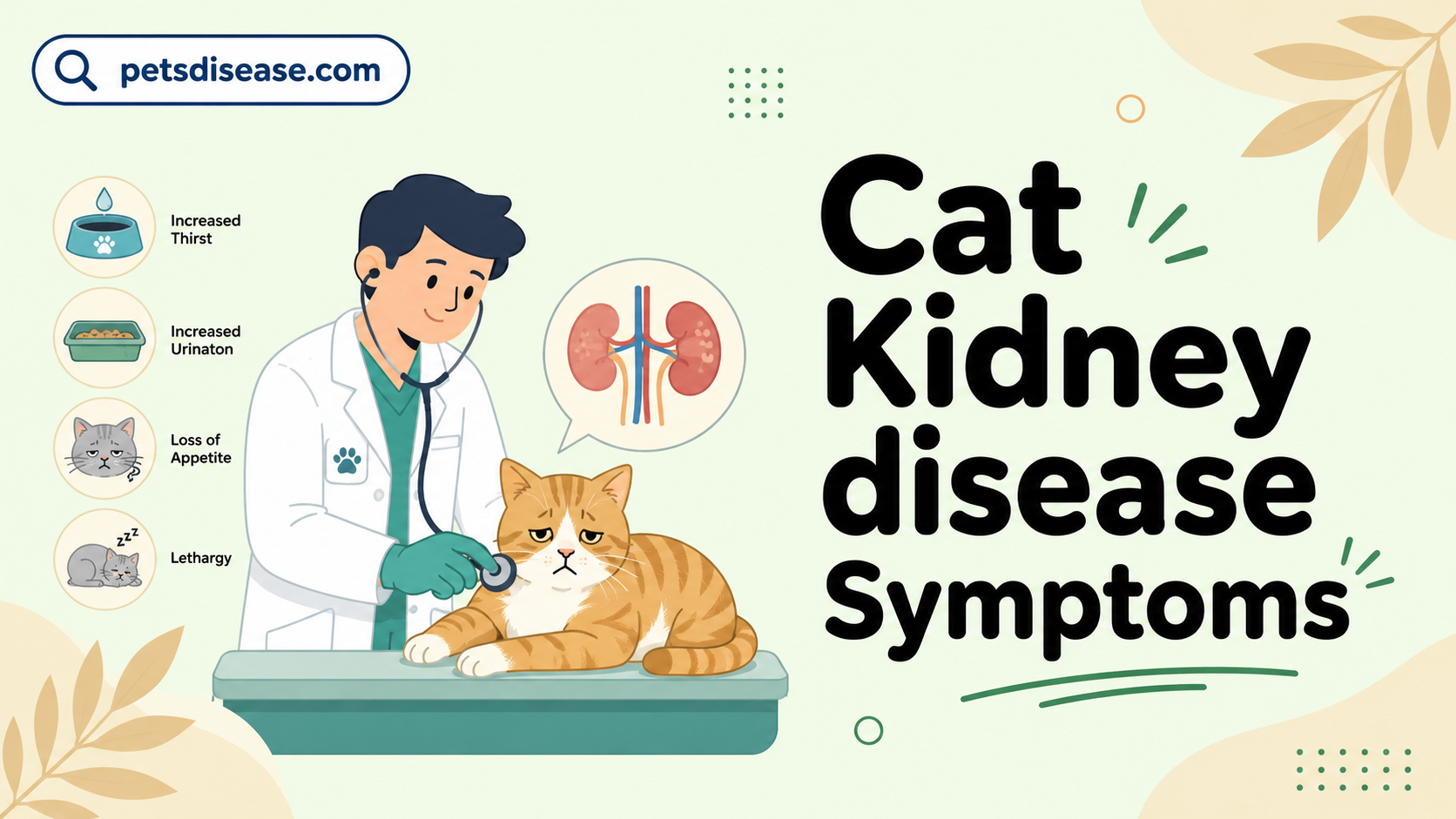
Cats can become sick quietly, so many families may not notice health problems early. However, learning about Cat Kidney disease Symptoms can help pet owners protect their furry friends. Kidney disease may make cats feel weak, thirsty, or tired during the day. Therefore, families should watch their cats closely and pay attention to small changes at home.
Many cats show early warning signs before the illness becomes serious. For example, a cat may drink more water, eat less food, or lose weight slowly. In addition, some cats sleep more and stop playing like before. These Cat Kidney disease Symptoms often appear slowly, so regular care and daily observation are very important for cat owners.
Veterinarians can help find kidney disease through simple tests and checkups. Moreover, healthy food, fresh water, and proper treatment may help cats feel better for a longer time. Families should always speak with a vet if they notice unusual behavior or physical changes. Understanding Cat Kidney disease Symptoms can help owners give their cats safe, loving, and healthy care every day.
Early Cat Kidney disease Symptoms Every Owner Should Know
Increased Thirst and Frequent Urination
Many cat owners first notice small changes in drinking habits before learning about kidney problems. Cats may begin drinking water more often and visiting the litter box many times during the day. In addition, some cats wake up at night because they feel thirsty again and again. Cat Kidney disease Symptoms often begin slowly, so families may not notice the warning signs immediately.
Healthy kidneys help balance fluids and remove waste from the body. However, damaged kidneys cannot save water properly, so cats lose more fluids through urination. Therefore, they feel thirsty more often and drink larger amounts of water daily. Families should watch for sudden changes because early treatment can help improve comfort and health.
Veterinarians often recommend blood tests and urine tests when cats show unusual drinking habits. Moreover, healthy food and proper hydration may help support kidney function. Pet owners who notice symptoms early can help their cats stay active and comfortable for a longer time.
| Symptom | What Owners Notice | Possible Effect |
| Drinking more water | Empty bowl quickly | Dehydration risk |
| Frequent urination | More litter box visits | Fluid loss |
| Dry mouth | Sticky gums | Poor hydration |
| Weight loss | Thinner body | Weakness |
| Weak muscles | Trouble jumping | Low energy |
| Sleeping more | Longer naps | Fatigue |
| Poor appetite | Eats less food | Low nutrition |
| Vomiting | Throws up food | Stomach upset |
| Bad breath | Strong mouth odor | Waste buildup |
| Rough fur | Dull coat | Poor grooming |
| Hiding behavior | Avoids family | Feeling unwell |
Small Changes in Daily Behavior
Cats often hide illness very well, so behavior changes may appear before physical symptoms. Some cats stop playing, avoid climbing, or sleep in quiet places more often. Furthermore, many cats become less active because they feel tired during the day.
🐾 Pets Disease Dashboard
Select an animal to see diseases & symptoms
Families may think these changes happen because cats are getting older. However, kidney disease can slowly reduce energy and affect normal activities. Therefore, owners should pay close attention to sudden personality or behavior changes at home.
Early veterinary care may help detect kidney disease before it becomes severe. In addition, healthy routines and stress-free environments can improve comfort for sick cats. Families who monitor daily habits carefully often notice health problems earlier.
| Behavior Change | Common Sign | Health Concern |
| Sleeping more | Longer rest periods | Fatigue |
| Less playing | Ignores toys | Weakness |
| Hiding often | Stays alone | Discomfort |
| Quiet behavior | Less interaction | Feeling sick |
| Slow walking | Reduced movement | Muscle weakness |
| Reduced jumping | Avoids furniture | Low energy |
| Less grooming | Untidy fur | Poor health |
| Weak legs | Trouble climbing | Muscle loss |
| No excitement | Ignores treats | Illness |
| Poor appetite | Eats slowly | Low nutrition |
| Weight loss | Thin appearance | Health decline |
Early Physical Signs Families Should Watch
Physical symptoms may appear slowly during the early stages of kidney disease. Cats can lose weight, develop rough fur, or look tired throughout the day. Moreover, some cats may smell bad around the mouth because waste builds up inside the body.
Many owners notice physical changes only after symptoms become stronger. However, small body changes can help families identify health problems sooner. Therefore, checking body condition regularly can support early diagnosis and treatment.
Vets may suggest special kidney diets, medicines, and hydration support after diagnosis. In addition, regular checkups can help monitor progress and improve comfort levels. Early treatment often gives cats a better quality of life.
| Physical Sign | What Happens | Possible Cause |
| Weight loss | Thin body | Poor nutrition |
| Bad breath | Strong odor | Waste buildup |
| Dry gums | Sticky mouth | Dehydration |
| Rough coat | Dull fur | Poor grooming |
| Weak posture | Slouched body | Fatigue |
| Muscle loss | Thin legs | Weakness |
| Vomiting | Food sickness | Kidney stress |
| Pale gums | Light gum color | Poor circulation |
| Less movement | Low activity | Low energy |
| Sunken eyes | Tired appearance | Fluid loss |
| Dirty fur | Untidy coat | Illness |
Common Cat Kidney disease Symptoms in Older Cats
Aging and Kidney Problems
Older cats often develop kidney disease because kidney function weakens with age. Many senior cats begin showing signs slowly over several months or years. In addition, older cats may sleep more and become less active during the day. Cat Kidney disease Symptoms often appear gradually in senior pets, so families should monitor them carefully.
Some owners believe these changes happen only because of aging. However, kidney disease can affect appetite, hydration, and overall health in serious ways. Therefore, yearly vet visits become very important for older cats.
Veterinarians often suggest regular blood tests and urine testing for aging cats. Moreover, healthy food and proper hydration may support kidney health. Early care can improve comfort and help older cats stay happier longer.
| Senior Cat Symptom | Common Change | Possible Effect |
| Drinking more | Increased thirst | Fluid imbalance |
| Sleeping longer | Less activity | Fatigue |
| Weight loss | Thin body | Weakness |
| Poor appetite | Eats less food | Malnutrition |
| Weak muscles | Trouble climbing | Low strength |
| Vomiting | Throws up often | Digestive issues |
| Rough fur | Dull coat | Poor grooming |
| Frequent urination | More litter use | Kidney stress |
| Hiding behavior | Avoids family | Discomfort |
| Slow walking | Reduced movement | Muscle weakness |
| Bad breath | Strong odor | Waste buildup |
Weakness and Reduced Activity
Cats with kidney disease often lose energy slowly over time. They may avoid climbing stairs, jumping onto furniture, or chasing favorite toys. Furthermore, many senior cats spend more time sleeping because they feel weak and tired.
Owners should not ignore sudden changes in activity levels. However, many people mistake weakness for normal aging. Therefore, watching movement and energy carefully can help families notice health problems earlier.
Comfortable sleeping spaces and easy access to food and water can help older cats. In addition, regular vet care may improve strength and daily comfort. Supportive home care often makes a big difference during illness.
| Activity Change | What Owners Notice | Health Concern |
| Less jumping | Avoids high places | Weak muscles |
| Sleeping more | Long naps | Fatigue |
| Slow movement | Walks carefully | Low strength |
| No playfulness | Ignores toys | Illness |
| Weak legs | Trouble standing | Muscle loss |
| Hiding often | Quiet behavior | Discomfort |
| Reduced climbing | Avoids stairs | Weakness |
| Low excitement | Ignores treats | Poor health |
| Less grooming | Untidy coat | Low energy |
| Poor posture | Slouched body | Fatigue |
| Quiet behavior | Less interaction | Feeling sick |
Eating Problems in Older Cats
Many senior cats with kidney disease lose interest in food. Some cats sniff meals but refuse to eat enough during the day. Moreover, nausea and stomach discomfort can make eating difficult.
Poor appetite may quickly lead to weight loss and weakness. Therefore, families should monitor food intake closely every day. Small eating changes may become serious without medical care.
Vets often recommend kidney-friendly diets and smaller meals for older cats. In addition, soft foods and hydration support may improve appetite. Families should stay patient and supportive during treatment.
| Appetite Sign | What Happens | Possible Risk |
| Eating less | Smaller meals | Weight loss |
| Food refusal | Ignores food | Weakness |
| Vomiting | Throws up meals | Dehydration |
| Weight loss | Thin body | Malnutrition |
| Weakness | Low activity | Fatigue |
| Dry mouth | Sticky gums | Dehydration |
| Slow eating | Longer meal times | Nausea |
| Hiding behavior | Avoids family | Illness |
| Sleeping more | Long naps | Low energy |
| Rough coat | Poor grooming | Health decline |
| Bad breath | Mouth odor | Waste buildup |
Warning Cat Kidney disease Symptoms You Should Never Ignore
Severe Dehydration and Weakness
Kidney disease can become dangerous when dehydration grows severe. Cats may develop dry gums, sunken eyes, and extreme weakness during advanced illness. In addition, some cats struggle to stand or walk because their bodies lose too much fluid. Cat Kidney disease Symptoms become more serious when treatment gets delayed.
Families should contact a veterinarian quickly if a cat stops drinking water or becomes very weak. However, many owners wait too long because symptoms appear slowly at first. Therefore, early action can help prevent serious complications and suffering.
Veterinarians may provide fluids, medicines, and blood tests to stabilize the cat. Moreover, supportive care often improves hydration and comfort levels. Quick treatment can help reduce pain and improve quality of life.
| Serious Symptom | Common Sign | Emergency Concern |
| Dry gums | Sticky mouth | Severe dehydration |
| Weak walking | Trouble moving | Low strength |
| Sunken eyes | Tired appearance | Fluid loss |
| No drinking | Refuses water | Dangerous dehydration |
| Extreme tiredness | Sleeps constantly | Illness progression |
| Vomiting | Frequent sickness | Fluid imbalance |
| Weight loss | Thin body | Weakness |
| Fast breathing | Rapid chest movement | Medical emergency |
| Cold body | Low body warmth | Serious illness |
| Confusion | Strange behavior | Toxin buildup |
| No appetite | Stops eating | Health decline |
Emergency Symptoms That Need Fast Care
Some kidney disease symptoms require immediate veterinary attention. Cats may collapse, cry in pain, or become unable to walk properly. Furthermore, severe vomiting and dehydration can damage the body quickly.
Families should seek emergency help if symptoms suddenly become worse. Delayed treatment may increase discomfort and reduce recovery chances. Therefore, serious warning signs should never be ignored.
Veterinarians may use fluids, medicines, and monitoring to stabilize sick cats. In addition, emergency care may prevent further kidney damage and improve comfort. Fast medical attention often saves lives.
| Emergency Sign | What Happens | Why It Matters |
| Collapse | Falls suddenly | Severe weakness |
| Trouble walking | Weak legs | Muscle loss |
| Severe vomiting | Constant sickness | Dehydration |
| Fast breathing | Heavy breathing | Emergency risk |
| Crying sounds | Pain noises | Severe discomfort |
| Cold ears | Low body warmth | Illness progression |
| Trembling | Shaking body | Weakness |
| Confusion | Strange actions | Toxin buildup |
| No eating | Food refusal | Starvation risk |
| No drinking | Avoids water | Severe dehydration |
| Unresponsiveness | No reaction | Medical emergency |
Cat Kidney disease Symptoms Like Weight Loss and Weakness
Sudden Weight Loss in Cats
Weight loss is one of the most noticeable kidney disease symptoms in cats. Many cats become thinner even when they continue eating small amounts of food. In addition, weak kidneys cannot process nutrients correctly, which affects body strength and muscle health. Cat Kidney disease Symptoms may include fast weight loss that appears over several weeks.
Families should monitor body shape carefully because weight loss may happen slowly. However, many owners think older cats naturally become smaller with age. Therefore, regular weight checks can help identify health problems earlier.
Veterinarians may recommend special diets and medical treatment after diagnosis. Moreover, healthy nutrition and hydration support can improve strength and comfort levels. Early treatment may slow additional weight loss.
| Weight Loss Sign | What Owners Notice | Possible Cause |
| Thin body | Smaller appearance | Poor nutrition |
| Visible bones | Sharp body shape | Muscle loss |
| Weak legs | Trouble walking | Low strength |
| Less eating | Smaller meals | Nausea |
| Fatigue | Sleeps more | Energy loss |
| Weak jumping | Avoids climbing | Muscle weakness |
| Slow walking | Reduced speed | Weakness |
| Smaller muscles | Thin back legs | Protein loss |
| Poor posture | Slouched body | Exhaustion |
| Hiding often | Avoids activity | Feeling sick |
| Rough fur | Dull coat | Health decline |
Low Energy and Weak Muscles
Cats with kidney disease often feel weak and tired during the day. They may stop playing, climbing, or exploring around the house. Furthermore, many cats spend most of their time resting quietly.
Families should pay attention to changes in movement and strength. However, weakness can develop slowly, so symptoms may seem minor at first. Therefore, careful observation is very important for early detection.
Comfortable home environments and proper medical care can help sick cats feel safer. In addition, healthy food and hydration support may improve daily comfort. Supportive care often helps reduce stress and weakness.
| Weakness Sign | Daily Change | Health Concern |
| Sleeping more | Longer naps | Fatigue |
| Less playing | Ignores toys | Weakness |
| Slow movement | Reduced activity | Low energy |
| Weak legs | Trouble standing | Muscle loss |
| Poor balance | Wobbly walking | Low strength |
| Less grooming | Untidy fur | Exhaustion |
| Reduced jumping | Avoids furniture | Weak muscles |
| Quiet behavior | Less interaction | Illness |
| No excitement | Ignores treats | Poor health |
| Hiding behavior | Stays alone | Discomfort |
| Weight loss | Thin body | Nutrition problems |
Hidden Cat Kidney disease Symptoms That Appear Slowly
Small Changes in Routine
Many kidney disease symptoms begin quietly and slowly over time. Cats may start sleeping more, drinking extra water, or avoiding play activities. In addition, some cats become less social and spend more time alone. Cat Kidney disease Symptoms can remain hidden for months before becoming serious.
Families may overlook these changes because they seem small at first. However, tiny behavior shifts may point to early kidney problems. Therefore, pet owners should watch daily routines carefully.
Regular veterinary checkups can help detect hidden symptoms earlier. Moreover, blood and urine tests often identify kidney disease before symptoms become severe. Early care usually improves comfort and long-term health.
| Hidden Symptom | What Owners Notice | Possible Meaning |
| Sleeping more | Longer naps | Fatigue |
| Drinking extra water | Empty bowl quickly | Kidney stress |
| Quiet behavior | Less interaction | Illness |
| Less playfulness | Ignores toys | Weakness |
| Hiding often | Stays alone | Discomfort |
| Slow movement | Reduced activity | Low energy |
| Reduced grooming | Untidy fur | Exhaustion |
| Weak posture | Slouched body | Fatigue |
| Weight loss | Smaller body | Poor nutrition |
| Poor appetite | Eats less food | Nausea |
| Frequent urination | More litter use | Fluid imbalance |
Slow Physical Changes
Physical symptoms may appear gradually in cats with kidney disease. Some cats develop rough fur, pale gums, or weak muscles over time. Furthermore, body changes may become easier to notice during advanced illness.
Families should check body condition regularly because physical symptoms often develop slowly. However, many owners miss early warning signs until the disease becomes more serious. Therefore, careful observation remains very important.
Veterinary care can help slow disease progression and improve comfort. In addition, proper hydration and balanced diets may support overall health. Early treatment often improves daily life for sick cats.
| Physical Change | Common Sign | Health Concern |
| Rough coat | Dull fur | Poor grooming |
| Pale gums | Light gum color | Poor circulation |
| Weight loss | Thin body | Weakness |
| Weak muscles | Trouble climbing | Muscle loss |
| Dry gums | Sticky mouth | Dehydration |
| Bad breath | Strong odor | Waste buildup |
| Sunken eyes | Tired appearance | Fluid loss |
| Vomiting | Food sickness | Kidney stress |
| Slow walking | Reduced movement | Low strength |
| Dirty fur | Untidy appearance | Illness |
| Weak posture | Slouched body | Fatigue |
Cat Kidney disease Symptoms With Vomiting and Low Appetite
Vomiting and Stomach Problems
Many cats with kidney disease vomit because toxins build up inside the body. Some cats throw up food after eating, while others vomit clear liquid during the day. In addition, nausea may make cats feel uncomfortable and weak. Cat Kidney disease Symptoms often include vomiting that continues for several days.
Families should monitor vomiting carefully because dehydration may happen quickly. However, repeated sickness can become dangerous without treatment. Therefore, owners should contact a veterinarian if vomiting continues regularly.
Vets may suggest medicines, fluids, and kidney-friendly diets to reduce stomach problems. Moreover, smaller meals and fresh water may improve comfort. Fast treatment often helps prevent serious complications.
| Vomiting Sign | What Owners Notice | Possible Risk |
| Throwing up food | Vomits after meals | Dehydration |
| Nausea | Lip licking | Stomach upset |
| Refusing meals | Walks away from bowl | Weight loss |
| Dry gums | Sticky mouth | Fluid loss |
| Weakness | Less movement | Fatigue |
| Frequent vomiting | Repeated sickness | Serious illness |
| Weight loss | Thin body | Poor nutrition |
| Sleeping more | Long naps | Low energy |
| Diarrhea | Loose stool | Digestive upset |
| Bad breath | Mouth odor | Waste buildup |
| Reduced drinking | Avoids water | Fluid imbalance |
Low Appetite and Poor Eating Habits
Cats with kidney disease often lose interest in food slowly. They may sniff meals without eating enough to stay healthy. Furthermore, some cats only eat treats and ignore normal meals completely.
Poor appetite can quickly lead to weakness and severe weight loss. Therefore, families should monitor eating habits every day. Small appetite changes may become dangerous if treatment gets delayed.
Veterinarians may recommend soft foods, kidney diets, and hydration support for sick cats. In addition, calm feeding areas may help reduce stress during meals. Supportive care often improves appetite and comfort.
| Appetite Sign | Common Change | Possible Effect |
| Eating less | Smaller meals | Weight loss |
| Food refusal | Ignores meals | Weakness |
| Slow eating | Longer meal times | Nausea |
| Weight loss | Thin body | Poor nutrition |
| Weakness | Low activity | Fatigue |
| Dry mouth | Sticky gums | Dehydration |
| Vomiting | Throws up food | Digestive problems |
| Hiding behavior | Avoids family | Illness |
| Sleeping more | Longer naps | Low energy |
| Rough fur | Untidy coat | Poor health |
| No excitement | Ignores treats | Discomfort |
Conclusion About Cat Kidney disease Symptoms
Understanding Cat Kidney disease Symptoms is very important for every cat owner who wants to keep their pet healthy and safe. Many signs such as weight loss, vomiting, weak muscles, increased thirst, and low appetite may appear slowly over time. Therefore, families should observe daily habits carefully and act quickly when they notice small changes. Early attention can help improve comfort and support better treatment results.
Moreover, cats often hide illness, so even small behavior changes matter a lot. In addition, regular vet checkups, healthy food, and fresh water can help manage kidney health better. Although kidney disease cannot always be fully cured, proper care can slow it down and improve quality of life. Therefore, loving care and early action play a big role in protecting cats.
By learning the warning signs early, pet owners can make smarter decisions and give their cats a safer, happier, and more comfortable life every day.
FAQs
What are the first signs of kidney disease in cats?
The first signs often include increased thirst, frequent urination, weight loss, and lower energy. In addition, some cats may eat less food or sleep more than usual. These changes usually appear slowly, so owners should watch daily habits closely. Early veterinary care can help detect kidney problems before they become severe.
How to avoid cat kidney disease?
You cannot always fully prevent kidney disease, especially in older cats. However, you can reduce risk by providing fresh water, healthy balanced food, and regular vet checkups. In addition, keeping your cat hydrated and active supports overall kidney health. Early detection also plays an important role in managing the disease.
Why do cats with kidney disease drink so much water?
Cats with kidney disease drink more water because their kidneys cannot hold fluids properly. As a result, they lose extra water through urine and feel thirsty more often. This increased drinking is one of the most common warning signs. Owners should monitor water intake and consult a vet if changes appear suddenly.
Can a cat recover from kidney disease?
Kidney disease in cats is usually long-term and cannot always be fully cured. However, many cats can live comfortably for months or years with proper care. Special diets, medications, and hydration support can slow the disease. Early treatment and regular vet visits greatly improve a cat’s quality of life.
Cat kidney disease symptoms dialysis
Dialysis is rarely used in cats, but it may help in very severe cases. It supports kidney function by filtering waste from the blood when kidneys fail. However, it is expensive and not widely available for pets. Vets usually recommend other treatments first, such as fluids, diet changes, and medication support.
What causes kidney disease in cats?
Kidney disease can develop due to aging, infections, toxins, or genetic factors. Over time, kidney tissues may become weak and lose function. In addition, poor hydration or untreated health issues can increase risk. Regular checkups and healthy care routines help reduce the chances of severe kidney problems in cats.
How is kidney disease diagnosed in cats?
Veterinarians diagnose kidney disease using blood tests, urine tests, and physical exams. These tests help measure kidney function and detect waste buildup in the body. In addition, imaging tests may be used in some cases. Early diagnosis helps improve treatment options and gives better comfort for the cat.
What foods are good for cats with kidney disease?
Cats with kidney disease often need special kidney-friendly diets. These foods are lower in protein and phosphorus to reduce kidney stress. In addition, wet food can help improve hydration. Always follow a vet’s recommendation because proper diet planning is very important for managing the disease safely.
Can young cats get kidney disease?
Yes, although it is more common in older cats, young cats can also develop kidney disease. It may happen due to infections, toxins, or inherited conditions. However, it is less frequent in young cats. Regular vet visits help detect any early problems and keep cats healthier at all ages.
When should I take my cat to the vet for kidney symptoms?
You should take your cat to the vet if you notice increased thirst, weight loss, vomiting, or unusual tiredness. In addition, sudden changes in eating or litter box habits should not be ignored. Early veterinary care helps diagnose kidney disease quickly and improves treatment success.