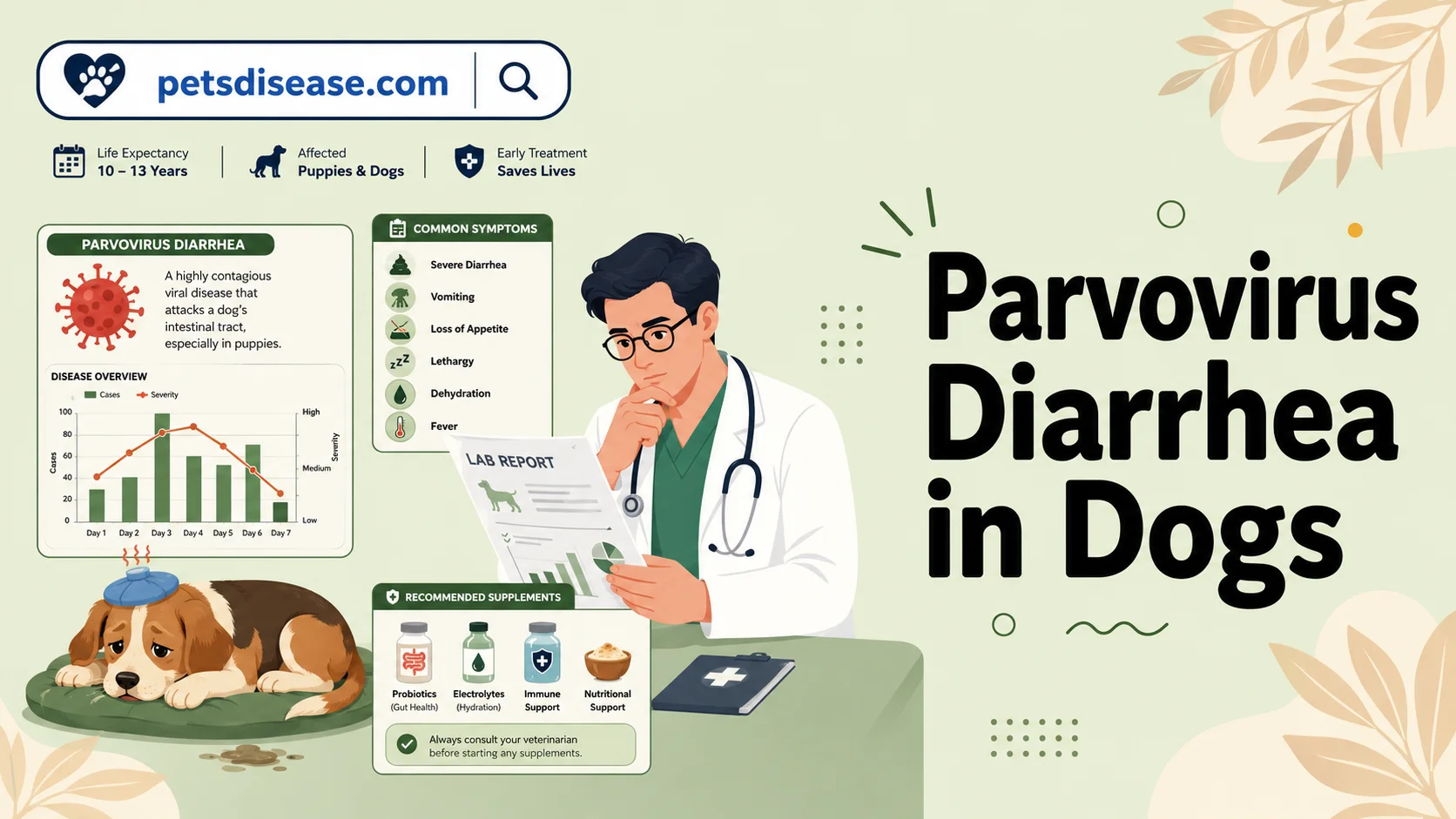
Parvovirus diarrhea is a serious illness that can make dogs very sick. It often affects puppies, but older dogs can get it too. This disease attacks the digestive system and causes severe diarrhea, vomiting, and weakness. Because parvovirus spreads easily, pet owners should learn about its signs and symptoms as early as possible.
When a dog has parvovirus diarrhea, it can lose a lot of fluids very quickly. As a result, dehydration may happen and become dangerous. Therefore, fast treatment is very important. Many pet owners worry when they see bloody diarrhea or a sudden loss of energy in their dogs. Understanding these warning signs can help you take action sooner.
🐾 Pets Disease Dashboard
Select an animal to see diseases & symptoms
In this guide, you will learn what causes parvovirus diarrhea, how it spreads, and what treatments may help. In addition, you will discover ways to protect your dog from this serious disease. With the right knowledge and proper care, you can help keep your pet healthy, safe, and happy.
What Is Parvovirus Diarrhea in Dogs?
Understanding the Disease
Parvovirus diarrhea in dogs is one of the most serious digestive illnesses that can affect puppies and adult dogs. It develops when canine parvovirus attacks the lining of the intestines and damages the body’s ability to absorb nutrients and fluids. As a result, affected dogs often suffer from severe stomach problems that can quickly become life-threatening without proper care. Although many people associate the disease with puppies, unvaccinated dogs of any age can become infected. Therefore, pet owners should understand how this disease works and why it requires immediate attention.
The virus spreads aggressively and survives for long periods in the environment. Consequently, dogs can become infected after coming into contact with contaminated feces, surfaces, food bowls, bedding, shoes, or hands. Once the virus enters the body, it multiplies rapidly and targets fast-growing cells within the intestines and immune system. Because of this process, infected dogs often experience intense digestive distress and a weakened ability to fight secondary infections. Early recognition greatly improves the chances of recovery.
Veterinarians consider this illness a medical emergency because dehydration and nutrient loss can occur very quickly. Furthermore, the damaged intestinal lining allows harmful bacteria to enter the bloodstream, increasing the risk of severe complications. Fortunately, modern veterinary treatments have improved survival rates significantly when dogs receive prompt medical support. Understanding the nature of this disease helps owners make informed decisions and seek professional care before symptoms become severe.
Key Facts About Canine Parvovirus in Dogs
Dogs of all breeds can develop this infection, although young puppies face the highest risk. Their immune systems are still developing, and they may not yet have full vaccine protection. Therefore, responsible vaccination schedules play an essential role in disease prevention. Pet owners who follow recommended veterinary guidelines can dramatically reduce the risk of infection.
Environmental contamination also contributes to disease transmission. The virus resists many common cleaning products and can survive for months under favorable conditions. As a result, thorough sanitation becomes extremely important in homes, shelters, kennels, and dog parks. Proper disinfection practices help limit the spread of infection and protect vulnerable animals.
Many people mistakenly believe that indoor dogs remain completely safe. However, contaminated objects can enter homes through shoes, clothing, or other pets. Consequently, every dog owner should understand basic prevention strategies. Knowledge, vaccination, and prompt veterinary care remain the strongest tools for protecting canine health.
Why Early Awareness Matters
Early awareness can save a dog’s life. When owners recognize warning signs quickly, they can seek treatment before severe dehydration develops. Moreover, early intervention often reduces complications and improves recovery outcomes. Veterinary professionals consistently emphasize the importance of immediate action when gastrointestinal symptoms appear.
Education also helps prevent community outbreaks. Since infected dogs shed large amounts of virus, quick isolation reduces exposure to other animals. Additionally, informed owners are more likely to maintain proper vaccination schedules and sanitation practices. These preventive measures help protect both individual pets and larger canine populations.
Trustworthy information plays an important role in responsible pet ownership. Therefore, owners should rely on licensed veterinarians and reputable veterinary organizations when researching canine diseases. Accurate information supports better decisions and helps families provide safer, healthier environments for their pets.
Parvovirus vs Normal Digestive Upset
| Feature | Parvovirus Infection | Normal Digestive Upset |
| Cause | Viral infection | Dietary issue or mild irritation |
| Severity | Very serious | Usually mild |
| Diarrhea | Severe and frequent | Mild to moderate |
| Blood in stool | Common | Less common |
| Vomiting | Often severe | Usually mild |
| Dehydration risk | Very high | Low to moderate |
| Appetite loss | Significant | Temporary |
| Energy level | Extremely low | Slightly reduced |
| Fever | May occur | Uncommon |
| Weight loss | Rapid | Usually minimal |
| Veterinary care | Urgent | Sometimes needed |
| Contagious | Highly contagious | Usually not contagious |
Common Signs and Symptoms of Parvovirus Diarrhea
Early Warning Signs
The earliest symptoms often appear suddenly and may seem similar to other digestive problems. However, owners usually notice a rapid decline in their dog’s overall condition. Parvovirus Diarrhea in Dogs commonly begins with lethargy, loss of appetite, and mild vomiting. Soon afterward, affected dogs become less active and may refuse food completely. Because these early changes can develop quickly, owners should monitor any unusual behavior closely.
As the illness progresses, vomiting often becomes more frequent. Consequently, dogs lose fluids faster and become increasingly weak. Many pets also spend more time resting and show little interest in normal activities. These changes may appear subtle at first; however, they often signal the beginning of a serious health problem that requires veterinary evaluation.
Early detection provides a significant advantage. Therefore, owners should never ignore persistent vomiting, unusual tiredness, or sudden appetite loss. Prompt veterinary assessment helps identify the underlying cause and allows treatment to begin before complications become severe.
Digestive Symptoms
Digestive symptoms represent the most recognizable signs of this disease. Many infected dogs develop severe diarrhea that may contain mucus or blood. As a result, stool often has a strong, unpleasant odor that differs from ordinary digestive disturbances. The frequency of bowel movements also increases significantly, causing substantial fluid loss throughout the day.
Vomiting and diarrhea often occur together, which places additional stress on the body. Consequently, dehydration can develop very quickly, especially in puppies. Dogs may also experience abdominal discomfort and appear reluctant to move or interact. These symptoms often worsen without medical intervention, making professional care extremely important.
Fluid loss creates serious health risks. Therefore, owners should watch for signs such as dry gums, sunken eyes, and reduced skin elasticity. These indicators suggest dehydration and require immediate veterinary attention. Early treatment can help restore fluid balance and support recovery.
Advanced Symptoms
Advanced illness can affect multiple body systems. As dehydration worsens, dogs may become extremely weak and unable to stand comfortably. Furthermore, the immune system becomes compromised, increasing vulnerability to secondary bacterial infections. This combination of factors creates a dangerous medical situation that requires intensive treatment.
Some dogs develop fever, while others experience a drop in body temperature. In severe cases, shock may occur because the body cannot maintain normal circulation. Consequently, emergency veterinary care becomes essential for survival. Hospitalization often provides the fluids, medications, and monitoring necessary to stabilize the patient.
Understanding advanced symptoms helps owners recognize emergencies quickly. Although the disease can be frightening, immediate veterinary treatment greatly improves outcomes. Therefore, seeking professional help at the first sign of severe illness remains one of the most important actions an owner can take.
Early vs Advanced Symptoms
| Early Symptoms | Advanced Symptoms |
| Mild lethargy | Extreme weakness |
| Reduced appetite | Complete refusal to eat |
| Occasional vomiting | Frequent vomiting |
| Soft stool | Severe bloody diarrhea |
| Mild dehydration | Severe dehydration |
| Reduced activity | Inability to stand |
| Slight weight loss | Rapid weight loss |
| Mild abdominal discomfort | Significant abdominal pain |
| Increased sleeping | Collapse or shock |
| Normal hydration response | Poor hydration response |
| Mild immune stress | Secondary infections |
| Better prognosis | Higher medical risk |
What Causes Parvovirus Diarrhea in Dogs?
The Role of Canine Parvovirus in Dogs
The primary cause of this disease is canine parvovirus, a highly contagious virus that targets rapidly dividing cells within the body. Parvovirus Diarrhea in Dogs develops after the virus damages the intestinal lining, preventing normal digestion and nutrient absorption. As intestinal tissues break down, dogs begin to experience severe gastrointestinal symptoms that worsen without treatment.
The virus enters the body through the mouth and then multiplies rapidly. Consequently, it spreads through the bloodstream and attacks vulnerable tissues. Because the intestinal lining renews itself constantly, it becomes a major target for viral damage. This process explains why affected dogs often experience intense digestive distress.
Veterinary experts recognize canine parvovirus as one of the most dangerous infectious diseases in dogs. Therefore, vaccination remains the most effective preventive measure. Dogs that receive complete vaccinations enjoy significantly greater protection against infection.
Risk Factors
Several factors increase a dog’s risk of infection. Young puppies remain especially vulnerable because their immune systems are still developing. Furthermore, incomplete vaccination schedules leave dogs with reduced protection against exposure. Owners should follow veterinary recommendations carefully to minimize these risks.
Crowded environments can also contribute to disease transmission. Shelters, breeding facilities, dog parks, and boarding centers may expose dogs to contaminated surfaces. Consequently, maintaining strong hygiene practices becomes essential. Regular cleaning and vaccination help reduce the likelihood of infection.
Stress may also influence disease susceptibility. Although stress alone does not cause infection, it can weaken immune function. Therefore, providing proper nutrition, routine healthcare, and a stable environment supports overall canine wellness.
Environmental Causes
Environmental contamination plays a major role in disease outbreaks. The virus can survive on many surfaces for extended periods, making exposure possible even when infected dogs are not present. As a result, owners should remain cautious in areas where many dogs gather.
Contaminated feces serve as the primary source of infection. However, the virus can also spread through bowls, leashes, clothing, bedding, and footwear. Consequently, indirect transmission occurs more often than many owners realize. Proper sanitation reduces environmental contamination and helps protect susceptible animals.
Understanding environmental risks helps owners make informed choices. By combining vaccination with effective cleaning practices, families can create safer environments for their pets and reduce the chance of disease transmission.
Causes and Risk Factors Comparison
| Cause or Factor | Risk Level |
| Direct contact with infected feces | Very High |
| Incomplete vaccination | Very High |
| Exposure at shelters | High |
| Exposure at kennels | High |
| Dog parks | Moderate to High |
| Shared food bowls | Moderate |
| Contaminated bedding | Moderate |
| Contaminated shoes | Moderate |
| Weak immune system | Moderate |
| Young age | Very High |
| Poor sanitation | High |
| Lack of veterinary care | High |
How Does Parvovirus Diarrhea Spread Between Dogs?
Direct Contact With Infected Dogs
One of the most common ways this disease spreads is through direct contact with an infected dog. When a sick dog sheds the virus in its feces, nearby dogs can easily pick it up. As a result, even a brief interaction may expose a healthy dog to infection. Puppies face the highest risk because they often explore their surroundings with their mouths and have less developed immune systems. Therefore, owners should be especially careful when introducing young dogs to unfamiliar animals.
The virus begins shedding before some symptoms become obvious. Consequently, a dog may spread infection even when it does not appear seriously ill. This hidden transmission makes prevention more challenging. However, responsible pet owners can reduce risks by avoiding contact with sick animals and keeping vaccinations up to date. Furthermore, regular veterinary checkups help identify potential health concerns before they become severe.
Veterinary experts emphasize prevention because treatment can be costly and emotionally difficult. Parvovirus Diarrhea in Dogs often spreads quickly in areas where many dogs gather. Therefore, owners should remain cautious when visiting public spaces and should monitor their pets closely after potential exposure. Early awareness supports faster action and better outcomes.
Indirect Transmission Through Contaminated Objects
Many people assume dogs must meet face-to-face for infection to occur. However, the virus often spreads through contaminated objects. Food bowls, water dishes, toys, leashes, bedding, and grooming tools can carry infectious particles for extended periods. As a result, healthy dogs may become infected without direct contact with a sick animal.
Shoes and clothing can also transport the virus into homes. Consequently, indoor dogs are not completely protected from exposure. Family members may unknowingly bring contaminated material inside after visiting parks, sidewalks, or veterinary facilities. Therefore, good hygiene practices play an important role in disease prevention. Cleaning and disinfecting high-risk items helps reduce environmental contamination.
The virus survives much longer than many common pathogens. Furthermore, ordinary household cleaners may not destroy it effectively. Because of this durability, owners should follow veterinary recommendations regarding proper disinfectants. Consistent sanitation reduces infection risks and creates a safer environment for pets.
Environmental Survival and Community Spread
Environmental survival contributes significantly to outbreaks. The virus can remain infectious for months under favorable conditions. As a result, contaminated soil, grass, sidewalks, and kennel surfaces may continue posing risks long after an infected dog has left the area. This persistence explains why outbreaks sometimes occur unexpectedly.
Community settings often create opportunities for widespread exposure. Dog parks, shelters, boarding facilities, and breeding operations bring many animals together in shared spaces. Consequently, one infected dog can expose numerous others within a short period. Vaccination programs help reduce these risks and protect vulnerable populations.
Owners can support community health by following vaccination schedules and avoiding public areas when their dogs show signs of illness. Moreover, reporting suspected infections to veterinarians allows timely intervention. Responsible pet ownership benefits not only individual animals but also the wider canine community.
Ways the Virus Spreads
| Source of Exposure | Risk Level |
| Infected feces | Very High |
| Direct contact with sick dogs | Very High |
| Shared water bowls | High |
| Shared food dishes | High |
| Dog parks | High |
| Animal shelters | High |
| Boarding kennels | High |
| Contaminated toys | Moderate |
| Bedding and blankets | Moderate |
| Shoes carrying the virus | Moderate |
| Human clothing | Moderate |
| Contaminated soil | High |
| Veterinary waiting areas | Moderate |
| Grooming equipment | Moderate |
| Outdoor public spaces | Moderate to High |
What Does Parvovirus Diarrhea Look Like in Dogs?
Appearance of the Stool
The appearance of stool often provides one of the clearest warning signs of infection. Many dogs develop diarrhea that becomes increasingly severe over a short period. Initially, stools may appear soft or watery. However, as the disease progresses, the diarrhea often becomes more frequent and more difficult to control. Therefore, owners should pay close attention to sudden changes in bowel habits.
In many cases, blood appears in the stool. As a result, feces may look dark red, bright red, or brownish-red depending on the amount of bleeding. The stool often contains mucus as well, which gives it a thick or slippery appearance. Furthermore, the odor is usually much stronger and more unpleasant than normal diarrhea. These characteristics often help veterinarians distinguish serious illness from minor digestive upset.
Although bloody diarrhea can occur with other conditions, persistent symptoms require immediate medical attention. Parvovirus Diarrhea in Dogs frequently produces severe gastrointestinal signs that worsen rapidly. Therefore, owners should seek veterinary guidance whenever they notice unusual stool appearance, especially in puppies or unvaccinated dogs.
Physical Changes in the Dog
Beyond stool changes, infected dogs often show visible physical symptoms. Many become weak and spend most of their time lying down. Consequently, they may stop playing, exercising, or interacting with family members. A once energetic puppy may suddenly appear tired and uninterested in normal activities.
Dehydration creates additional physical changes. The gums may feel dry, the eyes may appear sunken, and the skin may lose elasticity. Furthermore, affected dogs often lose weight quickly because they cannot absorb nutrients properly. These visible signs usually become more severe as the illness progresses.
Owners should never assume these changes will resolve without treatment. Instead, they should contact a veterinarian as soon as possible. Early intervention increases the likelihood of recovery and reduces the risk of life-threatening complications.
How Symptoms Progress Over Time
The disease often follows a predictable progression. First, dogs may lose their appetite and become less active than usual. Shortly afterward, vomiting and diarrhea begin. As a result, fluid loss accelerates and dehydration develops. Without treatment, symptoms typically worsen rather than improve.
As intestinal damage increases, bloody diarrhea often becomes more noticeable. Consequently, dogs may experience severe weakness and rapid weight loss. The immune system also becomes compromised, making secondary infections more likely. This combination of problems places tremendous stress on the body.
Fortunately, prompt veterinary care can interrupt this progression. Fluid therapy, supportive medications, and close monitoring help stabilize affected dogs. Therefore, recognizing symptoms early remains one of the most important factors influencing recovery.
Normal Diarrhea vs Parvovirus-Related Diarrhea
| Feature | Normal Diarrhea | Parvovirus-Related Diarrhea |
| Stool consistency | Soft to loose | Very watery |
| Frequency | Occasional | Very frequent |
| Blood presence | Rare | Common |
| Mucus presence | Sometimes | Often present |
| Odor | Mild | Extremely foul |
| Appetite | Usually reduced slightly | Severe appetite loss |
| Energy level | Mildly reduced | Extremely low |
| Vomiting | Not always present | Common |
| Dehydration risk | Low | Very high |
| Weight loss | Minimal | Rapid |
| Medical urgency | Moderate | Emergency |
| Recovery without treatment | Often possible | Unlikely |
| Risk to other dogs | Usually none | Very high |
| Intestinal damage | Mild | Severe |
| Hospitalization need | Rare | Often required |
How Veterinarians Diagnose Parvovirus Diarrhea
Physical Examination and Medical History
Veterinarians begin the diagnostic process by performing a thorough physical examination. During the visit, they evaluate the dog’s overall condition, hydration status, body temperature, heart rate, and energy level. In addition, they ask questions about recent symptoms, vaccination history, diet changes, and possible exposure to infected animals. This information helps create a clearer picture of the dog’s health and allows the veterinarian to determine whether further testing is necessary.
The timing and severity of symptoms often provide important clues. For example, sudden vomiting, severe diarrhea, appetite loss, and extreme lethargy may suggest a serious intestinal illness. Therefore, veterinarians carefully review all available information before making a diagnosis. Early evaluation is especially important because young puppies can become critically ill within a short period.
A complete medical history also helps rule out other diseases that may cause similar symptoms. Parvovirus Diarrhea in Dogs shares certain signs with intestinal parasites, dietary indiscretion, bacterial infections, and toxin exposure. Consequently, professional assessment remains essential for identifying the true cause and selecting the most appropriate treatment plan.
Diagnostic Testing
Veterinarians commonly use fecal antigen tests to confirm infection. These rapid tests can often provide results within minutes, allowing treatment to begin quickly. Furthermore, the test detects viral particles in stool samples and helps support a definitive diagnosis. Because time plays a critical role in recovery, rapid testing provides significant benefits.
Blood tests frequently accompany fecal testing. As a result, veterinarians can evaluate white blood cell counts, electrolyte levels, hydration status, and organ function. Low white blood cell counts often occur with this disease and may indicate a weakened immune response. These findings help guide treatment decisions and monitor disease severity.
In certain situations, additional tests may be necessary. For instance, veterinarians may recommend imaging studies or more advanced laboratory testing if symptoms appear unusual. Comprehensive evaluation ensures that no important health concerns are overlooked during diagnosis.
Why Early Diagnosis Matters
Early diagnosis improves treatment success and reduces complications. When veterinarians identify the disease quickly, they can begin supportive care before severe dehydration and shock develop. Consequently, affected dogs often experience better outcomes and shorter recovery periods.
Prompt diagnosis also helps prevent transmission to other animals. Infected dogs can be isolated immediately, reducing the risk of spreading the virus within households, shelters, or boarding facilities. Therefore, testing benefits both individual pets and the larger canine community.
Trustworthy veterinary guidance remains essential throughout the diagnostic process. Pet owners should seek professional care whenever serious digestive symptoms occur. Early action often makes a significant difference in survival and long-term health.
Diagnostic Methods Comparison
| Diagnostic Method | Purpose |
| Physical examination | Assess overall condition |
| Medical history review | Identify risk factors |
| Fecal antigen test | Detect viral presence |
| Blood test | Evaluate immune response |
| Complete blood count | Measure white blood cells |
| Electrolyte testing | Check fluid balance |
| Hydration assessment | Determine dehydration level |
| Temperature check | Identify fever |
| Abdominal examination | Assess discomfort |
| Weight evaluation | Monitor weight loss |
| Imaging studies | Rule out other conditions |
| Repeat testing | Confirm uncertain results |
Best Treatment Options for Parvovirus Diarrhea
Fluid Therapy and Hospital Care
Fluid therapy represents one of the most important treatments for infected dogs. Because vomiting and diarrhea cause severe fluid loss, veterinarians often administer intravenous fluids to restore hydration. In addition, fluid therapy helps maintain blood circulation and supports vital organ function. Many hospitalized dogs receive continuous monitoring to ensure they remain stable throughout treatment.
Hospital care provides a controlled environment where veterinary teams can respond quickly to changes in condition. Consequently, dogs receive immediate support if complications arise. Monitoring also allows adjustments to treatment plans based on individual needs. This level of care significantly improves survival rates in severe cases.
Owners should understand that hydration alone cannot cure the disease. However, supportive treatment gives the body time to fight the infection and repair damaged tissues. Therefore, fluid therapy remains a cornerstone of successful treatment.
Medications and Supportive Care
Veterinarians frequently prescribe medications to manage symptoms and improve comfort. Anti-nausea drugs help control vomiting, while medications may also reduce intestinal irritation. As a result, dogs often feel better and become more willing to eat and drink as recovery progresses.
Antibiotics may be recommended when intestinal damage increases the risk of bacterial infection. Furthermore, pain management and nutritional support may become necessary depending on disease severity. Each treatment plan is customized to meet the specific needs of the patient.
Supportive care extends beyond medications. Veterinary teams carefully monitor hydration, body temperature, appetite, and overall progress. Consequently, treatment remains responsive to changing conditions and maximizes recovery potential.
Nutritional Recovery and Home Care
As dogs begin improving, nutrition becomes increasingly important. Small, easily digestible meals often help restore strength without overwhelming the digestive system. Therefore, veterinarians may recommend special diets designed for gastrointestinal recovery.
Home care plays a critical role after hospital discharge. Parvovirus Diarrhea in Dogs requires continued observation even when symptoms appear to improve. Owners should follow medication instructions carefully and ensure their pets receive adequate rest. Consistent care supports complete recovery and reduces setbacks.
Regular follow-up visits allow veterinarians to evaluate progress and address lingering concerns. Consequently, ongoing communication between owners and veterinary professionals contributes to better long-term outcomes.
Treatment Options Comparison
| Treatment Option | Main Benefit |
| Intravenous fluids | Correct dehydration |
| Electrolyte replacement | Restore balance |
| Anti-nausea medication | Control vomiting |
| Antibiotics | Prevent secondary infections |
| Pain management | Improve comfort |
| Nutritional support | Aid recovery |
| Hospital monitoring | Detect complications |
| Temperature management | Maintain stability |
| Prescription diet | Support digestion |
| Rest and isolation | Reduce stress |
| Follow-up examinations | Track recovery |
| Home care instructions | Improve outcomes |
How Long Does Recovery From Parvovirus Diarrhea Take?
Typical Recovery Timeline
Recovery time varies depending on age, overall health, and how quickly treatment begins. Many dogs start showing improvement within a few days of receiving professional care. However, complete recovery often requires additional time as the digestive system heals. Therefore, owners should remain patient and continue following veterinary recommendations.
Most hospitalized dogs stay under veterinary supervision for several days. During this period, fluid therapy and supportive treatments help stabilize their condition. As a result, symptoms gradually decrease and energy levels begin to return. Early treatment often shortens recovery time significantly.
Although some dogs improve rapidly, others need extended support. Consequently, recovery timelines differ from one patient to another. Regular veterinary monitoring helps ensure progress remains on track.
Factors That Affect Recovery
Several factors influence healing speed. Young puppies, severely dehydrated dogs, and pets with weakened immune systems may require longer recovery periods. Furthermore, delayed treatment often increases complications and prolongs healing.
Vaccination history can also affect disease severity. Dogs with partial immunity sometimes experience milder illness than completely unvaccinated animals. Therefore, preventive healthcare may indirectly improve recovery outcomes when infection occurs.
Nutrition, hydration, and rest contribute significantly to healing. Owners who follow veterinary instructions carefully often help their pets recover more efficiently. Consistent care supports the body’s natural repair processes.
Signs of Improvement
Improvement usually becomes noticeable when vomiting decreases and appetite begins returning. In addition, dogs often become more alert and interested in their surroundings. These positive changes indicate that treatment is working effectively.
Normal stool consistency may take longer to return. Consequently, owners should not become discouraged if digestive recovery continues after other symptoms improve. Gradual progress is common and expected during the healing process.
Veterinary follow-up remains important even after noticeable improvement. Monitoring ensures complete recovery and helps identify any lingering concerns before they become serious.
Recovery Factors Comparison
| Factor | Effect on Recovery |
| Early treatment | Faster recovery |
| Delayed treatment | Slower recovery |
| Young age | Higher risk |
| Strong immune system | Better outcome |
| Proper hydration | Improved healing |
| Severe dehydration | Longer recovery |
| Nutritional support | Faster strength return |
| Vaccination history | Reduced severity |
| Secondary infections | Delayed recovery |
| Veterinary monitoring | Better progress |
| Home care compliance | Improved outcomes |
| Rest and isolation | Supports healing |
Can You Prevent Parvovirus Diarrhea in Dogs?
Importance of Vaccination
Vaccination remains the most effective method of prevention. Puppies require a series of vaccinations because their immune systems are still developing. Therefore, following the recommended schedule provides the strongest protection against infection.
Veterinarians carefully design vaccination protocols based on age and risk factors. As a result, dogs receive protection during their most vulnerable stages of life. Booster vaccinations help maintain long-term immunity and reduce future risks.
Although no preventive measure offers absolute protection, vaccination dramatically lowers infection rates. Consequently, it remains the foundation of disease prevention worldwide.
Hygiene and Environmental Protection
Clean environments reduce exposure to infectious particles. Owners should regularly disinfect food bowls, bedding, crates, and frequently touched surfaces. Furthermore, proper sanitation becomes especially important in homes with multiple dogs.
Limiting contact with unknown animals can also reduce risk. Therefore, owners should exercise caution when visiting public dog areas with unvaccinated puppies. Prevention strategies work best when combined rather than used individually.
Consistent hygiene practices help protect both individual pets and larger canine populations. As a result, communities experience fewer outbreaks and improved overall animal health.
Building Long-Term Protection
Long-term prevention requires ongoing commitment. Parvovirus Diarrhea in Dogs can often be avoided when owners combine vaccination, sanitation, veterinary care, and responsible socialization practices. Together, these measures create multiple layers of protection.
Routine wellness examinations allow veterinarians to identify gaps in preventive care. Additionally, educational guidance helps owners stay informed about current recommendations. Knowledge remains a powerful tool in disease prevention.
Responsible pet ownership benefits every dog. Therefore, investing in preventive healthcare remains one of the most valuable decisions an owner can make.
Prevention Methods Comparison
| Prevention Method | Effectiveness |
| Vaccination | Very High |
| Booster vaccines | High |
| Routine veterinary care | High |
| Environmental cleaning | High |
| Disinfecting surfaces | High |
| Isolating sick dogs | High |
| Safe socialization | Moderate to High |
| Clean food bowls | Moderate |
| Clean bedding | Moderate |
| Hand hygiene | Moderate |
| Avoiding contaminated areas | Moderate |
| Health monitoring | Moderate to High |
When to See a Vet for Parvovirus Diarrhea
Symptoms That Require Immediate Attention
Pet owners should seek veterinary care immediately when severe vomiting, persistent diarrhea, or bloody stool develops. These symptoms can quickly lead to dehydration and serious complications. Therefore, waiting to see if symptoms improve on their own can be dangerous.
Young puppies require special attention because they often deteriorate faster than adult dogs. Consequently, even mild symptoms should prompt professional evaluation. Early treatment greatly improves survival rates and recovery outcomes.
Prompt action protects both the affected dog and other animals. Veterinarians can provide treatment while also helping prevent further disease transmission.
Emergency Warning Signs
Certain symptoms indicate a medical emergency. Extreme weakness, collapse, inability to stand, severe dehydration, and difficulty responding to surroundings require immediate veterinary care. Furthermore, prolonged vomiting or refusal to drink water increases the urgency of treatment.
These warning signs suggest that the body is struggling to maintain normal function. As a result, delaying care may significantly increase health risks. Emergency intervention often becomes necessary to stabilize the patient.
Owners should trust their instincts when a pet appears seriously ill. Quick veterinary assessment provides the best chance of successful treatment.
Benefits of Early Veterinary Care
Early veterinary care improves survival, reduces complications, and shortens recovery time. Parvovirus Diarrhea in Dogs can progress rapidly, making prompt intervention essential. Professional treatment addresses dehydration, supports organ function, and manages symptoms before they become overwhelming.
Veterinarians also provide valuable guidance regarding isolation, sanitation, and home care. Consequently, owners feel more confident managing recovery and protecting other pets. Education remains an important part of successful treatment.
Timely medical attention saves lives. Therefore, owners should never hesitate to contact a veterinarian when serious digestive symptoms appear.
Symptoms and Urgency Levels
| Symptom | Urgency Level |
| Bloody diarrhea | Emergency |
| Persistent vomiting | Emergency |
| Severe lethargy | Emergency |
| Refusal to drink | Emergency |
| Rapid dehydration | Emergency |
| Collapse | Emergency |
| Extreme weakness | Emergency |
| Loss of appetite | High |
| Fever | High |
| Weight loss | High |
| Abdominal pain | High |
| Mild diarrhea in puppy | High |
Conclusion
Parvovirus Diarrhea in Dogs is a serious and potentially life-threatening condition, but the good news is that early action can make a major difference. Throughout this guide, we explored the causes, symptoms, diagnosis, treatment options, recovery process, and prevention strategies that every dog owner should understand. While the disease can progress quickly, prompt veterinary care often improves the chances of a successful recovery.
Moreover, vaccination remains the most effective way to protect dogs from this dangerous virus. Along with proper hygiene, routine veterinary visits, and responsible pet care, prevention can significantly reduce the risk of infection. Therefore, staying informed and recognizing warning signs early are essential steps for every pet owner.
Most importantly, never ignore severe diarrhea, vomiting, or unusual weakness in your dog. By acting quickly and following professional veterinary advice, you can help your furry companion stay healthy, safe, and protected from serious complications. A little awareness today can make a big difference in your dog’s future health and happiness.
FAQs
Can a vaccinated dog get parvovirus diarrhea?
Yes, although vaccination greatly reduces the risk. In rare cases, vaccinated dogs can still become infected, especially if they have a weakened immune system or did not complete their vaccine series. However, vaccinated dogs usually experience milder symptoms and have a much better chance of recovery.
What color is parvovirus diarrhea in dogs?
Parvovirus diarrhea is often watery and may appear dark red, bright red, brownish-red, or mixed with blood and mucus. In many cases, it also has a very strong and unpleasant odor. Any bloody diarrhea should be treated as a medical emergency and evaluated by a veterinarian.
How long does parvovirus diarrhea last?
The duration varies depending on the severity of the infection and how quickly treatment begins. Most dogs experience severe symptoms for several days. However, complete digestive recovery may take a few weeks. Veterinary care can help shorten recovery time and reduce complications.
Is parvovirus diarrhea contagious to other dogs?
Yes, it is highly contagious. The virus spreads through infected feces and contaminated surfaces such as food bowls, bedding, toys, shoes, and clothing. Therefore, infected dogs should be isolated immediately to help prevent the virus from spreading to other animals.
Can puppies survive parvovirus diarrhea?
Many puppies survive when they receive prompt veterinary treatment. Survival rates improve significantly with early diagnosis, fluid therapy, and supportive care. However, untreated infections can become fatal, especially in young puppies whose immune systems are still developing.
What should I feed a dog recovering from parvovirus?
Veterinarians often recommend small portions of easily digestible foods during recovery. Prescription gastrointestinal diets are commonly used because they are gentle on the digestive system. Always follow your veterinarian’s feeding instructions to support proper healing and avoid digestive upset.
How do veterinarians test for parvovirus?
Veterinarians commonly use a fecal antigen test to detect the virus in stool samples. They may also perform blood tests to evaluate hydration levels, immune function, and overall health. These tests help confirm the diagnosis and guide treatment decisions.
Can parvovirus go away without treatment?
Parvovirus should never be left untreated. While some dogs may survive, the risk of severe dehydration, shock, and death is extremely high without professional medical care. Immediate veterinary treatment provides the best chance for recovery and long-term health.
When should I take my dog to the vet for diarrhea?
You should contact a veterinarian immediately if diarrhea contains blood, lasts more than a day, occurs with vomiting, or causes weakness and dehydration. Puppies, senior dogs, and dogs with existing health conditions should receive veterinary attention as soon as symptoms appear.
How can I prevent parvovirus diarrhea in dogs?
The best prevention method is vaccination. In addition, maintain good hygiene, disinfect contaminated areas, avoid contact with sick dogs, and schedule regular veterinary checkups. These preventive measures work together to protect dogs from infection and support lifelong health.