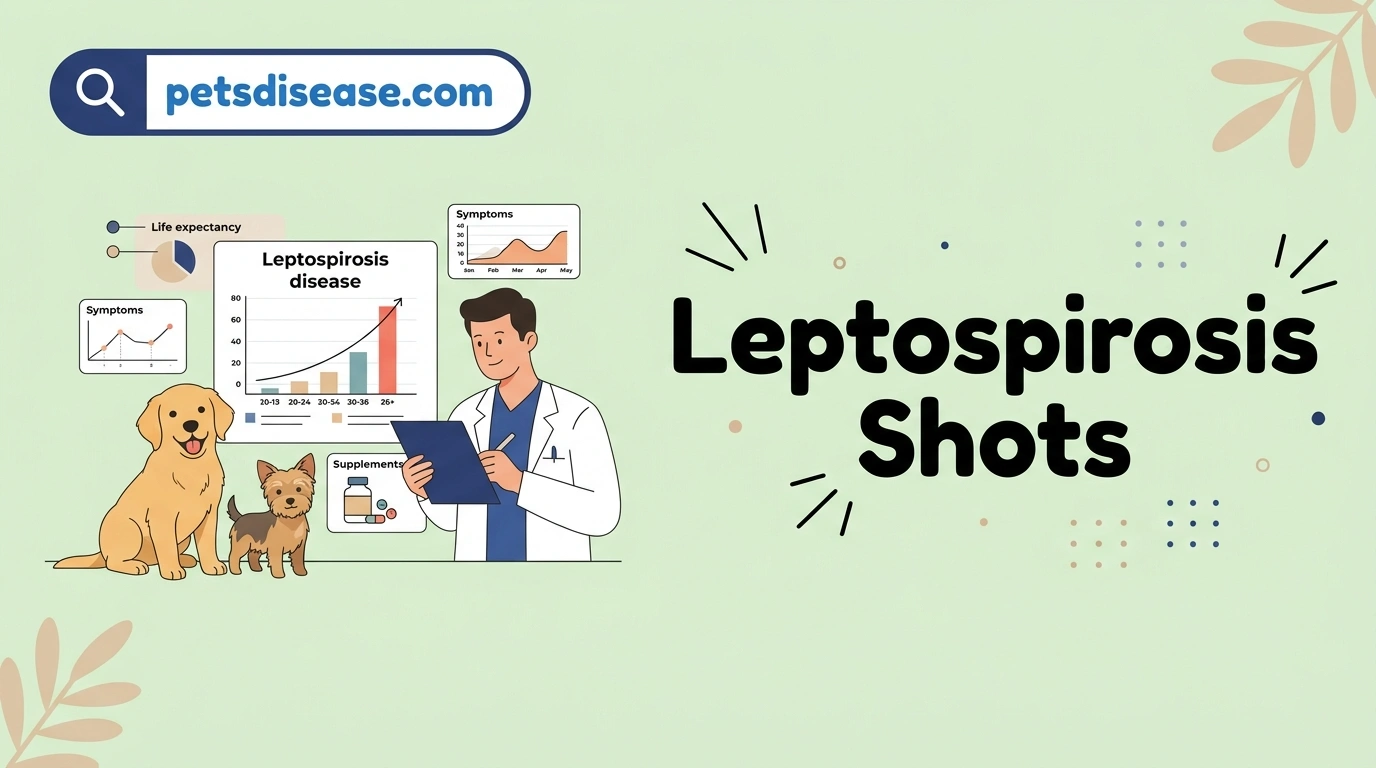
Leptospirosis shots help protect dogs from a serious bacterial disease called leptospirosis. This disease can affect a dog’s kidneys and liver, and it may lead to severe health problems if left untreated. Therefore, many veterinarians recommend these shots as part of a dog’s regular healthcare plan. In addition, vaccination can help lower the risk of infection and support long-term health.
Dogs can come into contact with leptospirosis through contaminated water, soil, or infected animals. As a result, both outdoor and indoor dogs may face some level of risk. However, leptospirosis shots can help the immune system recognize and fight the bacteria more effectively. Moreover, vaccinated dogs often have better protection against serious illness and related complications.
🐾 Pets Disease Dashboard
Select an animal to see diseases & symptoms
Understanding leptospirosis shots can help pet owners make informed decisions about their dog’s health. Furthermore, learning about the benefits, safety, and vaccination schedule can reduce concerns and improve preventive care. In this guide, you will discover how these shots work, why they are important, and how they can help keep your dog healthy and protected throughout life.
What Are Leptospirosis Shots for Dogs?
Understanding This Important Vaccine
Leptospirosis shots are vaccines that help protect dogs from a bacterial disease called leptospirosis. This disease can affect important organs such as the kidneys and liver, and in severe cases, it can become life-threatening. Therefore, veterinarians often recommend vaccination as part of a dog’s preventive healthcare plan. Moreover, the vaccine helps prepare the immune system to recognize harmful bacteria before infection occurs. As a result, vaccinated dogs usually have a better chance of avoiding serious illness and related complications.
Many dog owners may not realize that leptospirosis exists in both rural and urban environments. In addition, the bacteria can survive in wet soil, puddles, ponds, and other water sources. Consequently, dogs may encounter the bacteria during everyday activities such as walking, hiking, or playing outdoors. Furthermore, wildlife and rodents can spread the bacteria through contaminated urine. Because exposure can happen in many places, preventive measures become increasingly important for maintaining canine health.
Vaccination provides a practical way to reduce the risk of infection. Moreover, veterinarians consider prevention more effective than treating advanced disease after symptoms appear. In addition, vaccinated dogs often experience better health outcomes compared to unvaccinated dogs. Consequently, understanding the benefits of this vaccine allows pet owners to make informed decisions that support their dog’s long-term well-being and overall quality of life.
Comparison Table: Vaccinated vs Unvaccinated Dogs
| Category | Vaccinated Dog | Unvaccinated Dog |
| Disease Protection | Higher | Lower |
| Risk of Infection | Reduced | Increased |
| Kidney Protection | Better | Limited |
| Liver Protection | Better | Limited |
| Severity of Illness | Usually milder | Often more severe |
| Veterinary Costs | Often lower | Potentially higher |
| Recovery Outcomes | Better | Less predictable |
| Preventive Care | Strong | Limited |
| Exposure Readiness | Higher | Lower |
| Long-Term Health Support | Greater | Reduced |
| Emergency Risk | Lower | Higher |
| Overall Protection | Stronger | Weaker |
How Do Leptospirosis Shots Work?
How Vaccination Builds Protection
Vaccines work by teaching the immune system how to recognize and respond to harmful organisms. When a dog receives a vaccine, the immune system develops protective defenses without causing the actual disease. Therefore, if exposure occurs later, the body can react more quickly and effectively. Moreover, this early preparation helps reduce the likelihood of severe illness and supports a stronger immune response during future encounters with the bacteria.
The immune system creates specialized defenses after vaccination. Furthermore, these defenses help identify the bacteria before they can cause significant damage. As a result, the body often controls the infection more efficiently than it would without prior protection. In addition, vaccinated dogs generally experience fewer complications if exposure occurs. Consequently, vaccination remains one of the most effective preventive healthcare tools available for dogs.
Leptospirosis shots help strengthen a dog’s natural defenses and improve readiness against potential exposure. Moreover, veterinarians recommend maintaining current vaccination status because immune protection can decrease over time. In addition, booster vaccinations help refresh immune memory and support ongoing protection. Therefore, following veterinary recommendations remains an important part of responsible pet ownership.
Comparison Table: Before and After Vaccination
| Feature | Before Vaccination | After Vaccination |
| Immune Recognition | Limited | Improved |
| Response Speed | Slower | Faster |
| Disease Resistance | Lower | Higher |
| Protection Level | Minimal | Stronger |
| Infection Preparedness | Limited | Better |
| Complication Risk | Higher | Lower |
| Recovery Potential | Reduced | Improved |
| Health Security | Lower | Higher |
| Immune Memory | Weak | Developed |
| Preventive Value | Limited | Significant |
| Exposure Defense | Lower | Better |
| Overall Readiness | Reduced | Enhanced |
Why Are Leptospirosis Shots Important for Dogs?
Benefits of Disease Prevention
Preventing disease is often easier, safer, and less expensive than treating a serious illness after it develops. Therefore, vaccination serves as an important part of routine veterinary care. Moreover, leptospirosis can cause significant damage to vital organs if left untreated. As a result, veterinarians focus heavily on prevention because it helps reduce the risk of severe health complications and improves long-term wellness.
Many dogs face potential exposure during everyday activities. For example, dogs may encounter contaminated water, muddy areas, wildlife habitats, or environments visited by rodents. Furthermore, exposure can occur even when owners take reasonable precautions. Consequently, vaccination provides an additional layer of protection that helps reduce health risks associated with environmental exposure.
The protection offered by leptospirosis shots extends beyond individual dogs. In addition, controlling infection within the canine population can reduce disease transmission in the community. Moreover, because leptospirosis can affect both animals and humans, prevention becomes even more valuable. Therefore, vaccination contributes to better health outcomes for pets while supporting broader public health efforts.
Comparison Table: Benefits of Vaccination
| Benefit | Impact |
| Reduced Infection Risk | High |
| Better Organ Protection | Significant |
| Lower Complication Risk | Strong |
| Improved Recovery Outcomes | Valuable |
| Enhanced Immune Defense | High |
| Reduced Veterinary Expenses | Helpful |
| Better Community Protection | Important |
| Increased Health Security | Strong |
| Prevention of Severe Illness | Significant |
| Improved Quality of Life | High |
| Reduced Emergency Situations | Valuable |
| Long-Term Wellness Support | Strong |
When Should Puppies Get Leptospirosis Shots?
Recommended Vaccination Timing
Puppies require special attention because their immune systems are still developing. Therefore, veterinarians typically introduce vaccinations during the early stages of life to help build protection against infectious diseases. Moreover, early vaccination helps prepare puppies before they encounter common environmental risks. As a result, following a recommended schedule supports stronger immune development and better long-term protection.
Veterinarians determine vaccination timing based on age, health status, lifestyle, and local disease risks. Furthermore, puppies often receive a series of vaccinations rather than a single dose. This approach helps strengthen and reinforce immunity over time. Consequently, completing the entire vaccination series is important for achieving reliable protection.
The administration of leptospirosis shots during puppyhood can help reduce vulnerability to infection during a critical growth period. In addition, booster doses may be necessary to maintain protection as puppies mature into adult dogs. Therefore, owners should work closely with their veterinarian to ensure vaccinations remain current and effective throughout every stage of life.
Comparison Table: Early vs Delayed Vaccination
| Category | Early Vaccination | Delayed Vaccination |
| Protection Start | Earlier | Later |
| Disease Risk | Lower | Higher |
| Immune Development | Stronger | Delayed |
| Exposure Readiness | Better | Reduced |
| Puppy Protection | Greater | Limited |
| Preventive Benefits | Higher | Lower |
| Health Security | Stronger | Weaker |
| Veterinary Confidence | Higher | Reduced |
| Long-Term Benefits | Better | Lower |
| Risk Management | Improved | Limited |
| Wellness Support | Strong | Reduced |
| Overall Protection | Enhanced | Lower |
Are Leptospirosis Shots Required for All Dogs?
Understanding Individual Risk Factors
Not every dog faces the same level of exposure risk. However, many veterinarians recommend vaccination because the bacteria can exist in a wide range of environments. Therefore, even dogs that spend most of their time indoors may encounter risk during walks, outdoor activities, or contact with contaminated areas. Moreover, environmental conditions can vary significantly from one region to another.
Several factors influence whether a veterinarian strongly recommends vaccination. For example, lifestyle, travel habits, local wildlife activity, and outdoor exposure all play important roles. Furthermore, dogs that visit parks, hiking trails, boarding facilities, or rural properties often face higher exposure risks. Consequently, veterinarians evaluate each dog’s situation individually before making recommendations.
Although recommendations vary, leptospirosis shots often provide valuable protection for many dogs. In addition, preventive healthcare decisions should always consider both benefits and risks. Moreover, discussing concerns with a veterinarian allows owners to make informed choices based on current scientific guidance. Therefore, personalized veterinary advice remains the best source of vaccination recommendations.
Comparison Table: Dogs With Different Exposure Risks
| Dog Type | Exposure Risk |
| Hiking Dogs | High |
| Farm Dogs | High |
| Hunting Dogs | High |
| Boarding Dogs | Moderate to High |
| Dog Park Visitors | Moderate to High |
| Rural Dogs | High |
| Urban Dogs | Moderate |
| Suburban Dogs | Moderate |
| Traveling Dogs | Moderate to High |
| Outdoor Adventure Dogs | High |
| Mostly Indoor Dogs | Lower but Present |
| Senior Companion Dogs | Variable |
Leptospirosis Shots Schedule and Booster Guidelines
Why Booster Vaccinations Matter
Vaccination schedules help maintain reliable protection throughout a dog’s life. Therefore, veterinarians create specific schedules based on age, health status, and exposure risk. Moreover, immune protection may decrease over time, making booster vaccinations an important part of preventive healthcare. As a result, following recommended schedules helps ensure consistent protection against disease.
Booster vaccinations work by strengthening existing immune defenses. Furthermore, they remind the immune system how to recognize and respond to harmful bacteria efficiently. Consequently, dogs remain better prepared if exposure occurs months or years after their initial vaccination. In addition, regular veterinary visits provide opportunities to review vaccination needs and adjust recommendations when necessary.
Maintaining an appropriate schedule for leptospirosis shots supports long-term health and reduces the likelihood of preventable illness. Moreover, current vaccination status often provides peace of mind for pet owners who want to protect their dogs from serious disease. Therefore, staying up to date with boosters remains an essential component of responsible pet care.
Comparison Table: Current vs Missed Boosters
| Category | Current Boosters | Missed Boosters |
| Immune Protection | Stronger | Reduced |
| Disease Resistance | Better | Lower |
| Exposure Defense | Higher | Limited |
| Preventive Value | Greater | Reduced |
| Health Security | Stronger | Lower |
| Complication Risk | Lower | Higher |
| Veterinary Confidence | Higher | Reduced |
| Long-Term Protection | Better | Weaker |
| Wellness Support | Improved | Limited |
| Infection Readiness | Strong | Reduced |
| Community Health Benefit | Greater | Lower |
| Overall Protection | Enhanced | Reduced |
Common Side Effects of Leptospirosis Shots
What Dog Owners Should Expect After Vaccination
Most dogs handle vaccinations very well and return to their normal activities shortly afterward. However, like many vaccines, mild side effects can occasionally occur. For example, some dogs may feel slightly tired, sleep more than usual, or show less interest in play for a short period. Therefore, owners should not be alarmed if their dog appears a little quieter after vaccination. Moreover, these mild reactions usually disappear without treatment and often resolve within a short time.
Some dogs may experience minor soreness where the vaccine was given. In addition, a small lump or mild swelling can sometimes develop at the injection site. Although these reactions may seem concerning, they are often temporary and part of the body’s normal immune response. Furthermore, maintaining a calm environment and allowing the dog to rest can help improve comfort during this period. As a result, most dogs recover quickly and continue their daily routines without difficulty.
While serious reactions are uncommon, owners should still monitor their pets after receiving leptospirosis shots. Moreover, symptoms such as difficulty breathing, severe swelling, persistent vomiting, or extreme weakness require immediate veterinary attention. In addition, early communication with a veterinarian can provide reassurance and ensure proper care if unusual symptoms appear. Consequently, understanding potential side effects helps owners feel more prepared and confident about vaccination decisions.
Comparison Table: Mild vs Serious Vaccine Reactions
| Reaction Type | Mild Reaction | Serious Reaction |
| Energy Level | Slightly lower | Extremely low |
| Appetite | Mild decrease | Complete loss |
| Injection Site | Small swelling | Severe swelling |
| Activity Level | Slightly reduced | Major weakness |
| Duration | Temporary | Extended |
| Comfort Level | Mild discomfort | Significant distress |
| Veterinary Attention | Usually not needed | Immediate |
| Breathing | Normal | Difficulty breathing |
| Recovery Time | Quick | May require treatment |
| Frequency | More common | Rare |
| Health Impact | Minimal | Potentially serious |
| Monitoring Need | Routine | Urgent |
How Effective Are Leptospirosis Shots at Preventing Disease?
Understanding Vaccine Protection
Vaccination is one of the most effective ways to reduce the risk of leptospirosis in dogs. Although no vaccine can guarantee complete protection in every situation, vaccination greatly improves the body’s ability to fight infection. Therefore, vaccinated dogs often experience milder illness if exposure occurs. Moreover, they generally face a lower risk of severe complications that can affect the kidneys, liver, and other important organs.
The level of protection can vary depending on factors such as the dog’s age, overall health, immune system function, and exposure risk. Furthermore, maintaining a proper vaccination schedule helps maximize effectiveness over time. As a result, dogs that remain current on recommended vaccines usually have stronger protection than dogs with incomplete vaccination histories. In addition, regular veterinary care helps ensure the vaccine continues to provide the greatest possible benefit.
The effectiveness of leptospirosis shots increases when combined with other preventive measures. For example, limiting exposure to contaminated water sources and maintaining good environmental hygiene can further reduce risk. Moreover, preventive healthcare works best when multiple protective strategies support each other. Consequently, vaccination remains a valuable and highly recommended tool for disease prevention.
Comparison Table: Vaccinated vs Unvaccinated Dogs
| Category | Vaccinated Dog | Unvaccinated Dog |
| Infection Risk | Lower | Higher |
| Disease Severity | Usually milder | Often more severe |
| Kidney Protection | Better | Reduced |
| Liver Protection | Better | Reduced |
| Recovery Outcome | Improved | Less predictable |
| Hospitalization Risk | Lower | Higher |
| Complication Risk | Reduced | Increased |
| Immune Preparedness | Stronger | Weaker |
| Veterinary Costs | Often lower | Potentially higher |
| Long-Term Health | Better protected | More vulnerable |
| Preventive Support | Strong | Limited |
| Overall Protection | Greater | Lower |
Can Dogs Still Get Leptospirosis After Leptospirosis Shots?
Understanding Breakthrough Infections
Yes, dogs can still become infected even after vaccination. However, vaccination significantly reduces the risk and often decreases the severity of illness. Therefore, although infection remains possible, vaccinated dogs usually experience a better outcome than dogs without protection. Moreover, their immune systems can respond more quickly because vaccination helps prepare the body before exposure occurs.
Several factors influence whether a vaccinated dog becomes infected. For example, heavy exposure to contaminated environments, individual immune differences, or delayed booster vaccinations may affect protection levels. Furthermore, no vaccine can cover every possible situation perfectly. As a result, veterinarians emphasize that vaccination reduces risk rather than eliminating it completely. In addition, maintaining regular veterinary care helps support optimal protection.
Even when infection occurs after leptospirosis shots, the disease often causes fewer complications. Moreover, vaccinated dogs frequently recover more easily and face a lower risk of severe organ damage. Consequently, vaccination remains a highly valuable preventive measure despite the possibility of breakthrough infections. Therefore, most veterinarians continue to strongly recommend vaccination for eligible dogs.
Comparison Table: Infection After Vaccination vs No Vaccination
| Feature | Vaccinated Dog | Unvaccinated Dog |
| Chance of Severe Illness | Lower | Higher |
| Recovery Speed | Faster | Slower |
| Organ Damage Risk | Reduced | Increased |
| Immune Response | Stronger | Weaker |
| Veterinary Intervention | Less intensive | More intensive |
| Hospitalization Risk | Lower | Higher |
| Disease Duration | Often shorter | Often longer |
| Complication Risk | Lower | Higher |
| Comfort During Recovery | Better | Reduced |
| Health Outcome | Usually improved | Less predictable |
| Protection Level | Significant | Minimal |
| Overall Risk | Reduced | Greater |
What Are the Risks of Skipping Leptospirosis Shots?
Potential Consequences of Not Vaccinating
Choosing not to vaccinate may leave a dog vulnerable to a serious bacterial disease. Because leptospirosis can affect major organs, infection may lead to severe illness and costly treatment. Therefore, skipping preventive care can increase health risks significantly. Moreover, dogs may encounter the bacteria unexpectedly during routine outdoor activities, making exposure difficult to predict.
Unvaccinated dogs often face a greater risk of severe symptoms if infection occurs. Furthermore, treatment may require extensive veterinary care, hospitalization, and ongoing monitoring. As a result, recovery can become more complicated and expensive. In addition, severe cases may cause lasting organ damage that affects long-term quality of life. Consequently, prevention remains a valuable investment in a dog’s future health.
The decision to avoid leptospirosis shots should always involve careful discussion with a veterinarian. Moreover, veterinarians consider local disease prevalence, lifestyle factors, and individual health conditions when making recommendations. In addition, vaccination helps reduce disease risks that may otherwise remain hidden until infection occurs. Therefore, understanding the potential consequences of skipping vaccination supports more informed healthcare decisions.
Comparison Table: Vaccinating vs Skipping Vaccination
| Category | Vaccinated Dog | Unvaccinated Dog |
| Disease Protection | Higher | Lower |
| Infection Risk | Reduced | Increased |
| Organ Damage Risk | Lower | Higher |
| Emergency Care Need | Less likely | More likely |
| Hospitalization Risk | Lower | Higher |
| Recovery Outcome | Better | Less predictable |
| Long-Term Health | Better protected | More vulnerable |
| Veterinary Expenses | Often lower | Potentially higher |
| Immune Preparedness | Stronger | Weaker |
| Preventive Security | Greater | Limited |
| Health Confidence | Higher | Reduced |
| Overall Risk Level | Lower | Higher |
Conclusion
Leptospirosis shots are an important part of preventive healthcare for many dogs. They help protect against a serious bacterial disease that can affect the kidneys, liver, and overall well-being. Throughout this guide, we explored how the vaccine works, when puppies should receive it, its effectiveness, possible side effects, and the risks of skipping vaccination. Moreover, understanding these topics allows pet owners to make informed decisions that support their dog’s long-term health.
Although no vaccine can provide complete protection in every situation, vaccination significantly lowers the risk of severe illness and dangerous complications. Furthermore, regular veterinary checkups, timely booster shots, and good environmental hygiene work together to strengthen disease prevention. As a result, dogs can enjoy a healthier and more active life with fewer health concerns. By staying informed and following your veterinarian’s recommendations, you can provide the protection your dog needs. Ultimately, preventive care remains one of the best investments you can make in your pet’s future health and happiness.
FAQs
What are leptospirosis shots for dogs?
Leptospirosis shots are vaccines that help protect dogs from leptospirosis, a bacterial disease that can damage the kidneys and liver. The vaccine trains the immune system to recognize harmful bacteria and respond more effectively. As a result, vaccinated dogs often have a lower risk of severe illness and complications.
Are leptospirosis shots necessary for indoor dogs?
Indoor dogs may still benefit from vaccination because exposure can occur during walks, backyard activities, veterinary visits, or contact with contaminated environments. Moreover, wildlife and rodents can spread the bacteria in many areas. Therefore, veterinarians often assess lifestyle and local risks before making recommendations.
How effective are leptospirosis shots?
These vaccines are considered effective at reducing the risk of severe disease. Although they may not prevent every infection, they often lessen symptom severity and improve recovery outcomes. Furthermore, vaccinated dogs usually have stronger protection than dogs that have not received the vaccine.
Can puppies receive leptospirosis shots?
Yes, puppies can receive the vaccine as part of their preventive healthcare program. Veterinarians typically recommend vaccination during puppyhood to build early protection. In addition, following the complete vaccination schedule helps strengthen immunity and supports long-term disease prevention.
What are the most common side effects?
Most dogs experience few or no side effects. However, some may develop mild tiredness, slight soreness at the injection site, or temporary discomfort. These reactions usually resolve quickly. Nevertheless, owners should contact a veterinarian if they notice severe or unusual symptoms after vaccination.
Can a vaccinated dog still get leptospirosis?
Yes, infection can still occur in some cases. However, vaccinated dogs often experience milder symptoms and a lower risk of serious complications. Therefore, vaccination remains one of the most effective ways to reduce disease severity and support better health outcomes.
How often do dogs need booster shots?
Booster schedules vary based on veterinary recommendations, local disease risk, and a dog’s health status. Because protection may decrease over time, boosters help maintain strong immunity. Consequently, regular veterinary visits are important for keeping vaccinations current and effective.
Is leptospirosis contagious to humans?
Yes, leptospirosis is a zoonotic disease, which means it can spread from animals to people under certain conditions. Therefore, prevention is important not only for dogs but also for household health. Vaccination and proper hygiene practices can help reduce potential risks.
What happens if I skip leptospirosis shots?
Skipping vaccination may increase your dog’s risk of infection and serious illness. In addition, treatment can be expensive and recovery may take longer. Therefore, many veterinarians recommend vaccination as a preventive measure to reduce health risks and support long-term wellness.
Which dogs are most at risk for leptospirosis?
Dogs that spend time outdoors, visit parks, hike, swim, or live in areas with wildlife and rodents often face higher exposure risks. However, any dog can potentially encounter the bacteria. As a result, veterinarians evaluate each dog’s lifestyle when recommending vaccination.