
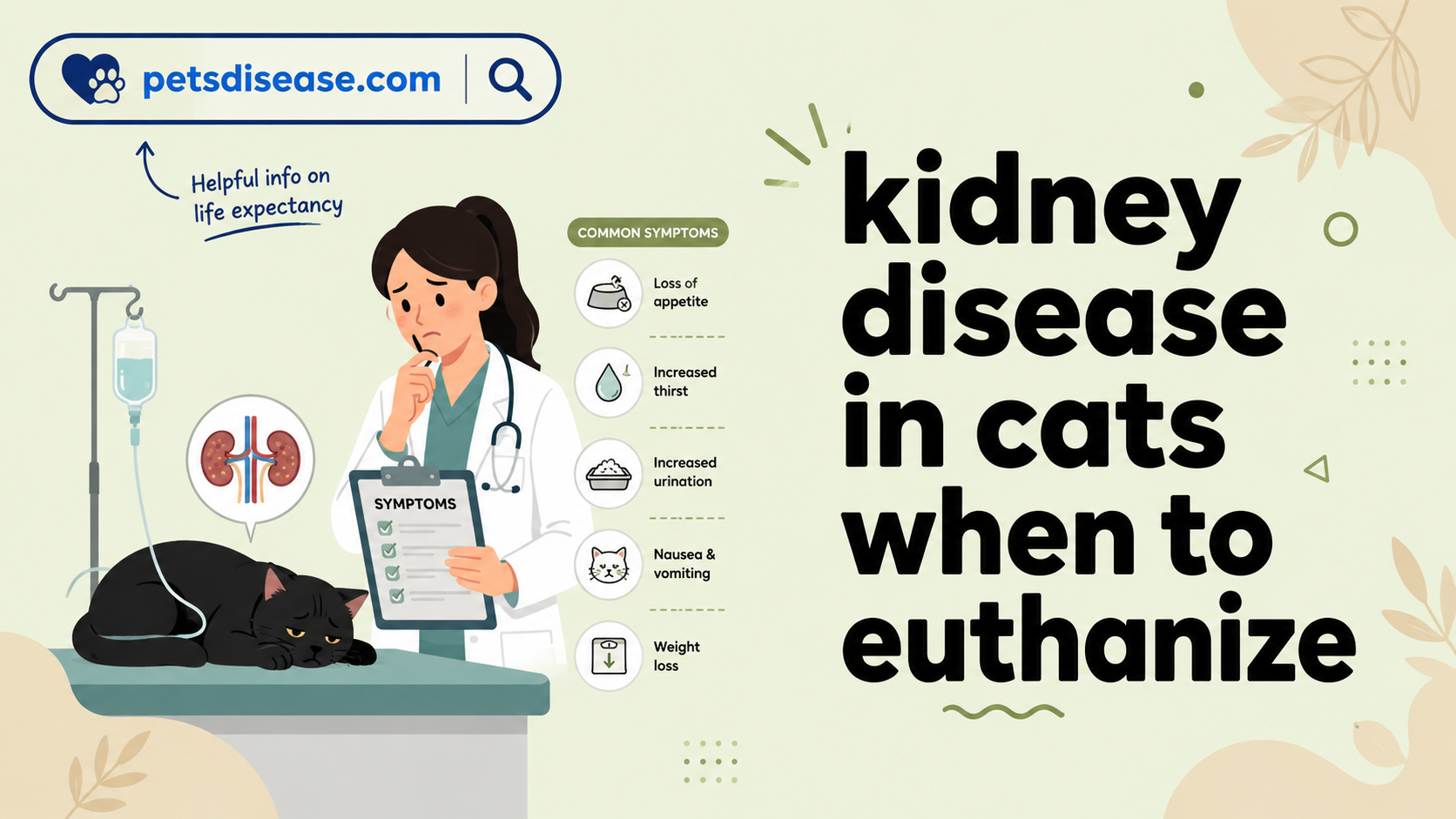
Cats with kidney disease may act very different from normal. For example, they may drink more water, lose weight, or feel very tired. Because of this, many cat owners worry when they see these changes. Kidney disease is common in older cats, but younger cats can get it too. So, learning the symptoms of cats with kidney disease can help you notice problems early and take your cat to the vet quickly.
In many cases, the signs start slowly and are easy to miss. However, your cat may stop eating, vomit often, or have bad-smelling breath. Some cats also sleep more and stop playing like before. As the disease gets worse, cats may become weak and unhappy. Therefore, it is important to watch your cat every day and notice small changes in behavior.
The good news is that early care can help many cats live longer and feel better. A vet can check your cat and suggest the right food, medicine, and treatment. In addition, giving your cat fresh water and regular checkups can support kidney health. By understanding the symptoms of cats with kidney disease, you can protect your furry friend and help them stay comfortable and healthy.
What Is Kidney Disease in Cats?
Kidney disease is a serious health problem that affects many cats, especially older ones. The kidneys help remove waste from the blood and keep the body healthy. However, when the kidneys stop working well, harmful toxins stay inside the body. As a result, cats may become weak, tired, and sick over time. Many pet owners notice changes slowly because the disease often develops little by little. Therefore, regular vet visits are very important for early care and treatment.
Cats can develop kidney disease for many reasons. Sometimes, age causes the kidneys to weaken naturally. In other cases, infections, poor diet, or harmful substances may damage the kidneys. Because the kidneys play an important role in the body, even small damage can create health problems. Symptoms of Cats with kidney disease may include drinking more water, weight loss, and changes in eating habits. Early treatment can often improve a cat’s quality of life and help manage the disease better.
Many veterinarians explain that kidney disease cannot always be cured completely. However, proper care can help cats live longer and feel more comfortable. Healthy food, fresh water, and medicine often support kidney function. In addition, cat owners should watch for small behavior changes at home. Quick action can prevent the disease from becoming worse. With good care and attention, many cats continue to enjoy happy and peaceful lives for years.
Kidney Disease in Cats Comparison Table
| Feature | Healthy Cat | Cat With Kidney Disease |
| Water Drinking | Normal amount | Drinks excessive water |
| Urination | Regular | Frequent urination |
| Appetite | Strong appetite | Reduced appetite |
| Weight | Stable body weight | Gradual weight loss |
| Energy Level | Active and playful | Weak and tired |
| Breath Smell | Fresh or normal | Bad-smelling breath |
| Fur Condition | Smooth and shiny | Dry and rough coat |
| Vomiting | Rare | Happens more often |
| Sleeping Pattern | Normal sleep | Sleeps too much |
| Mood | Happy and social | Quiet and withdrawn |
| Body Strength | Strong muscles | Weak muscles |
| Hydration | Well hydrated | Easily dehydrated |
Common Symptoms of Cats with Kidney Disease
Cats with kidney disease often show several physical and behavioral changes. At first, the symptoms may seem small and harmless. However, these signs usually become stronger over time. Many cats begin drinking more water than usual because their kidneys cannot save water properly. In addition, frequent urination becomes common as the body tries to remove waste. These early signs should never be ignored because fast treatment may slow the disease progression.
🐾 Pets Disease Dashboard
Select an animal to see diseases & symptoms
Another common symptom is weight loss. Even when cats continue eating, they may still lose weight because their bodies cannot use nutrients properly. Furthermore, some cats stop eating completely and become very weak. Vomiting, bad breath, and low energy also happen often. Symptoms of Cats with kidney disease can affect a cat’s daily life and make normal activities difficult. Because of this, pet owners should monitor eating habits, energy levels, and litter box behavior carefully.
Many cats also hide more often when they feel sick. Some stop jumping, playing, or interacting with family members. As the disease becomes worse, dehydration and weakness can increase. Therefore, veterinarians usually recommend blood tests and urine tests to confirm kidney problems. Early medical care often helps reduce discomfort and improve health. A calm home, healthy food, and proper hydration can also support recovery and comfort.
Common Symptoms Comparison Table
| Symptom | Mild Stage | Severe Stage |
| Thirst | Slight increase | Extreme thirst |
| Urination | More frequent | Very frequent |
| Appetite | Reduced slightly | Almost no appetite |
| Weight | Small loss | Major weight loss |
| Energy | Less playful | Very weak |
| Vomiting | Occasional | Frequent vomiting |
| Breath | Mild odor | Strong bad smell |
| Coat Quality | Slightly dull | Very rough coat |
| Hydration | Mild dehydration | Severe dehydration |
| Mood | Quiet behavior | Isolation and hiding |
| Muscle Strength | Slight weakness | Serious weakness |
| Movement | Slow movement | Trouble walking |
Early Warning Signs of Kidney Disease in Cats
Early warning signs can appear months before serious kidney failure develops. Therefore, cat owners should pay close attention to daily habits and routines. One of the first signs is increased thirst. Cats may spend more time near water bowls or ask for water more often. In addition, litter boxes may become wetter because cats urinate more frequently. These small changes often happen slowly, so many owners miss them at first.
Another important warning sign is reduced appetite. Cats may leave food unfinished or refuse favorite treats. Some cats also lose interest in playing and spend more time sleeping. Furthermore, their fur may look messy or less shiny because sick cats groom themselves less often. Symptoms of Cats with kidney disease can become more serious when owners ignore these early clues. Because of this, regular health checkups are very important for older cats.
Early treatment can improve a cat’s comfort and overall health. Veterinarians may recommend special kidney diets, medicine, and hydration support. Moreover, clean water and stress-free living spaces can help cats feel better. Owners should also track changes in eating, drinking, and body weight. Fast medical attention often slows kidney damage and helps cats live healthier lives for a longer time.
Early Warning Signs Comparison Table
| Early Sign | What It Means |
| Increased thirst | Kidneys cannot save water properly |
| Frequent urination | Body removes extra waste |
| Reduced appetite | Toxins affect digestion |
| Weight loss | Poor nutrient use |
| Tiredness | Low body energy |
| Dull fur | Reduced grooming |
| Bad breath | Waste buildup in body |
| Vomiting | Stomach irritation |
| Hiding behavior | Feeling sick or weak |
| Weak muscles | Loss of body strength |
| Dry gums | Dehydration |
| Sleeping more | Low energy levels |
Why Cats With Kidney Disease Drink More Water
Cats with kidney disease often feel thirsty all the time. This happens because damaged kidneys cannot hold water inside the body correctly. As a result, cats lose large amounts of water through urine. Therefore, they drink more water to replace what the body loses. Owners may notice empty water bowls more often or see their cats searching for water around the house.
Excessive thirst usually develops slowly, but it becomes more noticeable over time. Some cats wake up often to drink water during the night. In addition, they may urinate larger amounts several times each day. This change can create dehydration if the cat does not drink enough water. Symptoms of Cats with kidney disease often include constant thirst because the kidneys struggle to balance fluids properly inside the body.
Veterinarians usually check water intake when diagnosing kidney disease. They may also suggest wet food because it contains more moisture than dry food. Furthermore, many owners place extra water bowls around the house to encourage hydration. Clean water, healthy meals, and medical care can help cats stay more comfortable. Early treatment also helps reduce stress on the kidneys and supports better body function.
Water Drinking Comparison Table
| Condition | Healthy Cat | Cat With Kidney Disease |
| Water Intake | Moderate | Excessive |
| Urination Amount | Normal | Very high |
| Hydration Level | Balanced | Often dehydrated |
| Night Drinking | Rare | Common |
| Energy Level | Active | Weak |
| Appetite | Stable | Lower appetite |
| Mouth Moisture | Normal | Dry mouth |
| Litter Box Use | Regular | Increased use |
| Kidney Function | Healthy | Damaged |
| Body Balance | Stable fluids | Fluid imbalance |
| Need for Wet Food | Less important | Very important |
| Vet Monitoring | Routine | Frequent checks |
Weight Loss and Weakness in Cats
Weight loss is one of the most common signs of kidney disease in cats. Even when cats continue eating, their bodies may not use nutrients properly. As a result, muscle loss and weakness often appear slowly. Many owners first notice that their cat feels lighter when picked up. In addition, bones may become easier to see because body fat decreases over time.
Weakness can affect daily activities and movement. Cats may stop jumping onto furniture or climbing stairs because they feel tired quickly. Furthermore, some cats sleep longer and avoid playing with toys. Poor kidney function allows toxins to stay in the bloodstream, which reduces body strength and energy. Symptoms of Cats with kidney disease often include both physical weakness and unhealthy weight loss that become more noticeable with time.
Veterinarians usually recommend special diets rich in healthy nutrients to support the body. In addition, regular weight checks help monitor the disease closely. Pet owners should encourage eating by offering fresh and tasty meals. Wet food may also help because it provides both nutrition and hydration. Fast treatment and supportive care can improve energy levels and help cats feel more comfortable.
Weight Loss and Weakness Comparison Table
| Feature | Healthy Cat | Cat With Kidney Disease |
| Body Weight | Stable | Gradual loss |
| Muscle Strength | Strong | Weak muscles |
| Activity Level | Playful | Tired often |
| Jumping Ability | Easy movement | Difficulty jumping |
| Appetite | Good appetite | Poor appetite |
| Energy | High | Low energy |
| Sleeping Time | Normal | Sleeps more |
| Fur Quality | Healthy coat | Rough coat |
| Body Fat | Balanced | Reduced fat |
| Mood | Social | Withdrawn |
| Walking | Smooth movement | Slow walking |
| Overall Health | Strong condition | Weak condition |
Vomiting and Loss of Appetite in Cats
Vomiting and appetite loss are serious signs that many cats with kidney disease experience. When the kidneys stop removing waste properly, toxins build up inside the body. As a result, cats may feel sick and lose interest in food. Some cats vomit after eating, while others refuse meals completely. Therefore, owners should monitor eating habits carefully and seek veterinary help quickly when these symptoms appear.
Loss of appetite can lead to rapid weight loss and weakness. Cats may walk away from food bowls or eat only very small amounts. Furthermore, dehydration may become worse because sick cats often avoid both food and water. Symptoms of Cats with kidney disease may affect digestion and make normal feeding difficult. Because of this, many veterinarians recommend soft and easy-to-digest foods for better nutrition.
Treatment often focuses on reducing nausea and improving appetite. Veterinarians may provide medicine, fluid therapy, and special kidney-support diets. In addition, calm feeding spaces can help reduce stress during mealtime. Pet owners should also offer fresh food regularly and encourage hydration. With proper care and early treatment, many cats regain some appetite and feel more comfortable each day.
Vomiting and Appetite Loss Comparison Table
| Feature | Healthy Cat | Cat With Kidney Disease |
| Appetite | Eats normally | Eats less |
| Vomiting | Rare | Frequent |
| Digestion | Healthy | Upset stomach |
| Body Weight | Stable | Weight loss |
| Water Intake | Balanced | Increased thirst |
| Mood | Happy | Irritated or quiet |
| Energy Level | Active | Weak |
| Food Interest | Strong | Reduced interest |
| Hydration | Normal | Dehydrated |
| Nutrient Absorption | Good | Poor |
| Meal Frequency | Regular | Skips meals |
| Overall Comfort | Comfortable | Often uncomfortable |
Bad Breath and Mouth Problems in Cats
Bad breath is one of the most noticeable health changes in cats with kidney disease. When the kidneys stop filtering waste properly, toxins build up inside the bloodstream. As a result, these harmful wastes create a strong smell in the mouth. Many cat owners describe the odor as sour or similar to ammonia. In addition, cats may develop mouth sores, swollen gums, or pain while eating. Because of this, they often avoid dry food and eat less than usual.
Mouth problems can make daily life very uncomfortable for cats. Some cats drool more often because their mouths feel sore or irritated. Furthermore, they may paw at their faces or refuse treats they once enjoyed. Poor kidney function also weakens the body’s ability to stay healthy, which can increase gum infections and inflammation. Symptoms of Cats with kidney disease sometimes appear through mouth discomfort before owners notice other physical signs. Therefore, checking a cat’s mouth regularly can help spot early health concerns.
Veterinarians usually examine the mouth carefully during health checkups. They may suggest dental cleaning, medicine, or a kidney-friendly diet to reduce toxins inside the body. In addition, fresh water and soft foods can help cats feel more comfortable during meals. Pet owners should also watch for bleeding gums, drooling, or difficulty chewing food. Fast treatment often improves comfort and prevents more serious mouth problems from developing.
Bad Breath and Mouth Problems Comparison Table
| Feature | Healthy Cat | Cat With Kidney Disease |
| Breath Smell | Mild or fresh | Strong unpleasant odor |
| Gum Health | Pink and healthy | Swollen or irritated |
| Mouth Sores | Rare | Common |
| Eating Comfort | Comfortable eating | Pain while chewing |
| Drooling | Very little | Increased drooling |
| Appetite | Good appetite | Reduced eating |
| Tooth Condition | Strong teeth | Weak dental health |
| Mouth Moisture | Normal | Dry mouth |
| Grooming | Regular grooming | Less grooming |
| Mood | Relaxed | Irritated or quiet |
| Water Intake | Normal | Drinks more water |
| Vet Visits | Routine checkups | Frequent treatment |
Frequent Urination in Cats With Kidney Disease
Frequent urination is a very common sign of kidney disease in cats. Healthy kidneys save water and remove waste carefully. However, damaged kidneys lose the ability to control fluids properly. As a result, cats produce larger amounts of urine throughout the day. Many owners notice wetter litter boxes or more trips to the litter tray. Therefore, sudden changes in urination should never be ignored.
Cats with kidney disease often drink more water because their bodies lose fluids quickly. In addition, some cats wake up during the night to urinate more often. This constant loss of water may lead to dehydration and weakness over time. Symptoms of Cats with kidney disease can affect both the kidneys and the body’s fluid balance. Because of this, veterinarians usually ask questions about litter box habits during examinations.
Pet owners can support their cats by providing clean water in different areas of the home. Furthermore, wet food may help improve hydration levels naturally. Veterinarians may also perform urine tests and blood tests to check kidney function closely. Early treatment can slow kidney damage and improve comfort. With proper medical care and daily attention, many cats continue living peaceful and comfortable lives.
Frequent Urination Comparison Table
| Feature | Healthy Cat | Cat With Kidney Disease |
| Urination Frequency | Normal | Increased frequency |
| Urine Amount | Moderate | Large amounts |
| Water Drinking | Balanced | Excessive thirst |
| Hydration | Stable | Often dehydrated |
| Litter Box Use | Regular | More frequent |
| Energy Level | Active | Weak or tired |
| Night Urination | Rare | More common |
| Kidney Function | Healthy | Reduced function |
| Body Fluid Balance | Controlled | Unbalanced |
| Appetite | Stable | Reduced appetite |
| Mood | Calm | Restless |
| Vet Monitoring | Occasional | Frequent monitoring |
Causes of Kidney Disease in Cats
Kidney disease in cats develops for many different reasons. Aging is one of the most common causes because the kidneys naturally weaken over time. However, infections, poisoning, poor diet, and certain medications may also damage the kidneys. In addition, some cats inherit kidney problems from their parents. Because cats rely heavily on healthy kidneys, even small damage can slowly affect the entire body.
Some environmental dangers can also increase the risk of kidney disease. For example, toxic plants, dirty water, or harmful chemicals may injure kidney tissues. Furthermore, untreated dental infections sometimes spread bacteria through the bloodstream and harm important organs. Symptoms of Cats with kidney disease may appear slowly after months or even years of hidden damage. Therefore, regular vet visits help detect problems before they become severe.
Cat owners can lower health risks by providing balanced meals, clean water, and safe living spaces. In addition, keeping toxic items away from pets is very important for prevention. Veterinarians also recommend yearly blood and urine tests for older cats. Early diagnosis often improves treatment success and quality of life. Caring owners who monitor daily habits can often notice warning signs before serious illness develops.
Causes of Kidney Disease Comparison Table
| Cause | Effect on Cats |
| Aging | Weakens kidney function |
| Infections | Damages kidney tissues |
| Poisoning | Causes sudden kidney injury |
| Poor Diet | Reduces kidney health |
| Dehydration | Stresses the kidneys |
| Harmful Medications | Injures kidney cells |
| Genetic Problems | Inherited kidney disease |
| Dental Disease | Spreads harmful bacteria |
| Dirty Water | Increases health risks |
| Toxic Plants | Poison kidney tissues |
| High Blood Pressure | Damages blood vessels |
| Lack of Vet Care | Delays diagnosis |
How Vets Diagnose Kidney Disease in Cats
Veterinarians use several methods to diagnose kidney disease in cats. First, they ask questions about symptoms, eating habits, water intake, and litter box behavior. After that, they perform a full physical examination to check body weight, hydration, and mouth health. In many cases, blood tests help measure waste levels inside the body. Therefore, these tests play an important role in finding kidney problems early.
Urine testing also helps veterinarians understand how well the kidneys work. Healthy kidneys keep important nutrients inside the body while removing waste correctly. However, damaged kidneys often produce weak or diluted urine. In addition, vets may use ultrasound or X-rays to examine kidney size and shape. Symptoms of Cats with kidney disease become easier to understand when combined with laboratory results and physical exams.
Early diagnosis often improves treatment and comfort for cats. Veterinarians can create care plans based on the stage of the disease and the cat’s overall health. Furthermore, regular monitoring helps track changes over time. Cat owners should follow vet advice carefully and attend scheduled checkups. Fast medical care often slows kidney damage and supports a longer, healthier life.
Kidney Disease Diagnosis Comparison Table
| Diagnostic Method | Purpose |
| Physical Exam | Checks overall health |
| Blood Test | Measures waste levels |
| Urine Test | Evaluates kidney function |
| Ultrasound | Views kidney shape |
| X-Ray | Detects abnormalities |
| Weight Check | Monitors body condition |
| Hydration Check | Finds dehydration |
| Blood Pressure Test | Detects pressure problems |
| Mouth Examination | Looks for sores or odor |
| Appetite Review | Evaluates eating habits |
| Litter Box Questions | Checks urination changes |
| Follow-Up Testing | Tracks disease progress |
Treatment Options for Cats With Kidney Disease
Treatment for kidney disease focuses on improving comfort and slowing further damage. Although the disease usually cannot be fully cured, many cats live longer with proper care. Veterinarians often recommend special kidney diets because these foods reduce stress on the kidneys. In addition, fluid therapy helps prevent dehydration and supports body function. Therefore, early treatment can greatly improve a cat’s daily life.
Some cats also need medicines to control nausea, blood pressure, or appetite problems. Furthermore, vets may suggest vitamin supplements and regular blood tests to monitor health changes. Treatment plans usually depend on the stage of kidney disease and the cat’s age. Symptoms of Cats with kidney disease often become easier to manage when owners follow medical advice carefully. Consistent care can help cats stay active and comfortable for longer periods.
Pet owners play a very important role during treatment. They should provide fresh water, healthy meals, and a calm environment every day. In addition, regular vet visits help detect changes before serious problems appear. Some cats respond very well to supportive care and continue enjoying normal activities. With patience and proper treatment, many cats maintain a good quality of life despite kidney disease.
Treatment Options Comparison Table
| Treatment | Benefit |
| Kidney Diet | Reduces kidney stress |
| Fluid Therapy | Prevents dehydration |
| Blood Pressure Medicine | Protects organs |
| Anti-Nausea Medicine | Reduces vomiting |
| Appetite Support | Encourages eating |
| Vitamin Supplements | Supports health |
| Wet Food | Improves hydration |
| Regular Blood Tests | Tracks progress |
| Urine Monitoring | Checks kidney function |
| Stress-Free Home | Improves comfort |
| Fresh Water Access | Supports hydration |
| Vet Checkups | Helps early treatment |
Tips to Help Cats Live a Healthy and Comfortable Life
Cats with kidney disease need extra love and daily support to stay comfortable. One of the best ways to help is by providing clean, fresh water all the time. Because sick kidneys struggle to keep fluids balanced, hydration becomes very important. In addition, feeding wet food may increase water intake naturally. Comfortable sleeping areas and quiet spaces also help reduce stress and support better health.
Owners should watch their cats closely for behavior changes or worsening symptoms. Some cats become weaker, eat less, or hide more when they feel unwell. Furthermore, regular grooming may help cats feel cleaner and more relaxed. Symptoms of Cats with kidney disease often improve when owners follow treatment plans carefully and provide gentle daily care. Small healthy routines can make a big difference in overall comfort and happiness.
Veterinarians recommend regular health checkups to monitor disease progression. Blood tests, urine tests, and weight checks help track changes over time. In addition, owners should give medicines exactly as directed to avoid complications. Patience, love, and careful attention can help cats live peaceful and meaningful lives for many years. With proper support, many cats continue enjoying playtime, affection, and family companionship.
Healthy and Comfortable Life Comparison Table
| Healthy Habit | Benefit for Cats |
| Fresh Water | Prevents dehydration |
| Wet Food | Adds extra moisture |
| Regular Vet Visits | Detects problems early |
| Calm Environment | Reduces stress |
| Daily Monitoring | Notices symptom changes |
| Comfortable Bedding | Supports rest |
| Healthy Diet | Improves nutrition |
| Proper Medication | Controls symptoms |
| Gentle Grooming | Keeps fur clean |
| Weight Monitoring | Tracks health changes |
| Clean Litter Box | Encourages bathroom use |
| Loving Attention | Improves emotional comfort |
Final Thoughts on Symptoms of Cats with Kidney Disease
Caring for a cat with kidney disease can feel stressful at first, but early attention and proper care can make a big difference. Many cats continue to live happy and peaceful lives when owners notice health changes early and follow the right treatment plan. From increased thirst to weight loss and tiredness, every small sign matters. Therefore, regular vet visits, healthy food, and fresh water should always remain part of your cat’s routine. Symptoms of Cats with kidney disease may develop slowly, so daily observation helps owners react quickly before problems become serious. In addition, a calm and loving home can improve comfort and emotional well-being. When cat owners stay informed and work closely with veterinarians, they can support better health and improve quality of life. With patience, care, and attention, many cats continue enjoying love, playtime, and companionship for years.
FAQs
Can a cat live with kidney disease?
Yes, many cats can live with kidney disease for several years when they receive early treatment and proper care. Healthy food, fresh water, medicine, and regular vet visits often improve comfort and slow disease progression. In addition, calm home environments help reduce stress and support overall health.
What are the three early warning signs of kidney disease?
The three common early warning signs are increased thirst, frequent urination, and weight loss. Many cats also become tired and lose interest in food. Because these changes often appear slowly, owners should watch daily habits carefully and contact a veterinarian when symptoms continue.
Can cats come back from kidney failure?
Some cats recover from sudden kidney failure if veterinarians treat the problem quickly. However, chronic kidney disease usually cannot be fully cured. Even so, treatment can improve comfort and help cats live longer. Early diagnosis often gives cats the best chance for better health.
What should cats with kidney disease avoid?
Cats with kidney disease should avoid salty foods, low-quality diets, dehydration, and harmful chemicals. Some medicines may also damage the kidneys further. Therefore, owners should only give treatments approved by a veterinarian and provide fresh water and kidney-friendly meals every day.
Why do cats with kidney disease drink so much water?
Damaged kidneys cannot hold water properly inside the body. As a result, cats lose more fluids through urination and feel thirsty more often. Drinking extra water helps replace lost fluids and reduces dehydration. This symptom is one of the most common signs of kidney disease.
Do cats with kidney disease stop eating?
Yes, many cats with kidney disease lose their appetite because toxins inside the body cause nausea and stomach discomfort. Some cats eat smaller meals, while others avoid food completely. Special kidney diets and veterinary care often help improve appetite and digestion over time.
Is kidney disease painful for cats?
Kidney disease may cause discomfort, weakness, nausea, and mouth pain in some cats. However, proper treatment can reduce many symptoms and improve comfort. Veterinarians often suggest medicine, fluid therapy, and special diets to help cats feel better and stay more active.
How do vets test cats for kidney disease?
Veterinarians usually perform blood tests, urine tests, and physical exams to check kidney function. In some cases, ultrasounds or X-rays help examine the kidneys closely. These tests allow vets to diagnose the disease early and create the best treatment plan for the cat.
Can younger cats get kidney disease?
Yes, younger cats can develop kidney disease, although it is more common in older cats. Infections, poisoning, injuries, or inherited conditions may damage the kidneys at any age. Therefore, pet owners should monitor unusual symptoms and seek medical advice quickly when problems appear.
How can I help my cat feel comfortable at home?
You can help your cat by providing fresh water, soft bedding, healthy food, and a quiet environment. In addition, regular vet visits and daily monitoring help manage symptoms early. Gentle care, patience, and attention often improve both comfort and emotional well-being for sick cats.