
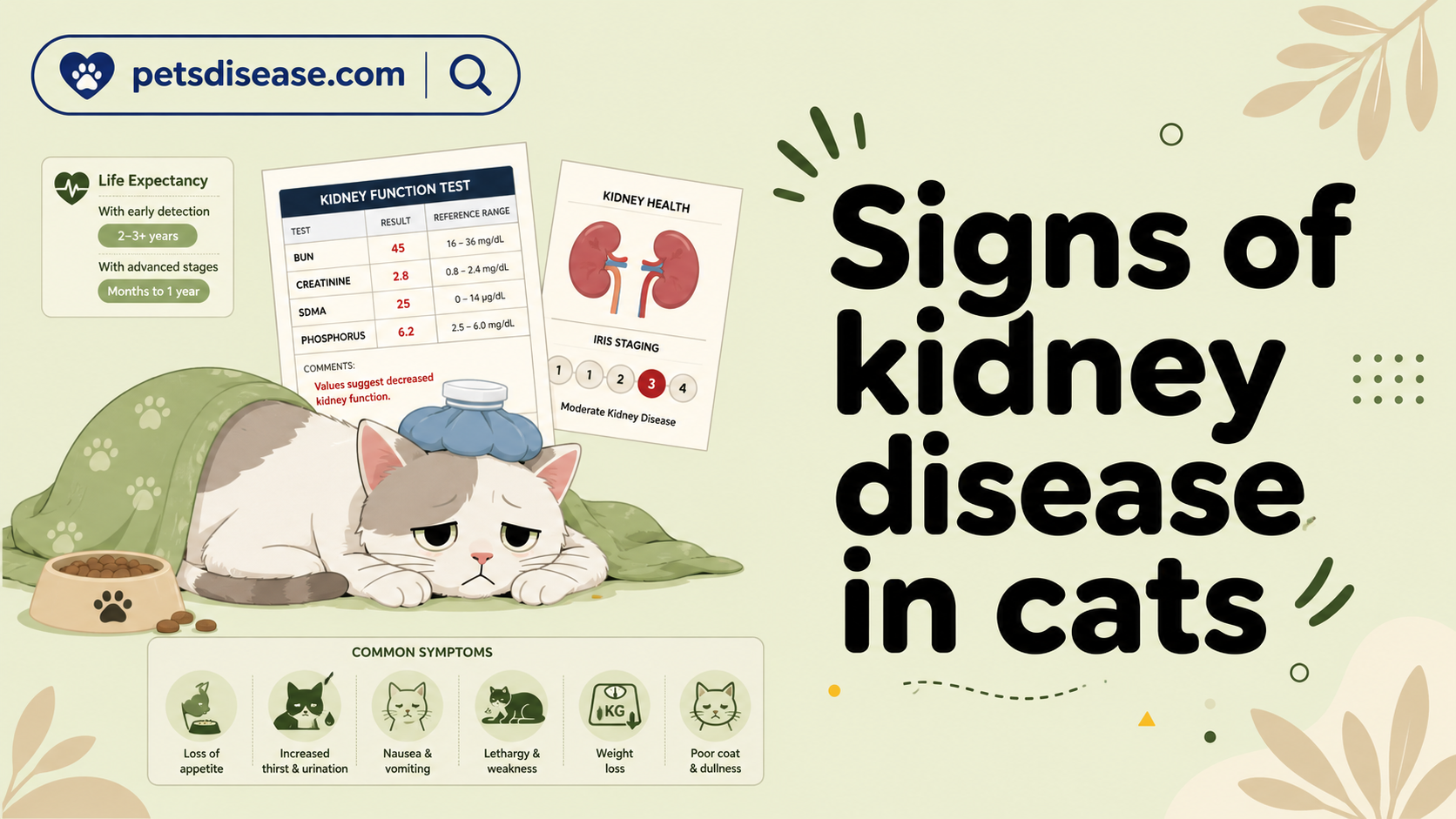
Cats are very good at hiding pain. Because of this, many pet parents do not notice the early signs of kidney disease in cats right away. However, small changes can tell you something is wrong. For example, your cat may drink more water, pee more often, or feel tired during the day. When you learn these signs early, you can help your cat get care faster and stay healthy longer.
Kidney disease is common in older cats, but younger cats can get it too. That is why it is important to watch your cat every day. If your cat stops eating, loses weight, or has bad-smelling breath, you should talk to a vet. In addition, regular checkups can help find problems before they become serious. Early care can make a big difference in your cat’s life.
Many cat owners feel worried when they hear about kidney disease. Still, there is hope when the problem is found early. With healthy food, fresh water, and proper treatment, many cats can live happy lives for years. So, learning the early signs of kidney disease in cats is one of the best ways to protect your furry friend and keep them feeling their best.
Early Signs of Kidney Disease in Cats Every Owner Should Know
Changes in Drinking and Bathroom Habits
Many cats start to show small health changes before kidney disease becomes serious. However, many pet owners do not notice these signs at first. One of the most common changes is drinking more water than usual. At the same time, cats may visit the litter box more often because their kidneys cannot save water properly. Because of this, owners should watch daily habits closely. Early signs of kidney disease in cats often begin with simple changes that seem harmless in the beginning.
Cats also may start sleeping more and playing less. In addition, some cats stop jumping on furniture because they feel weak or tired. These small changes can slowly become worse over time. Therefore, regular observation helps owners catch problems early. A healthy cat usually keeps the same routine each day, so sudden changes should never be ignored.
Pet owners should also pay attention to bad breath, poor grooming, and messy fur. Kidney problems can make toxins build up in the body, and this can affect a cat’s mouth and skin. As a result, cats may look unhealthy even when they still eat normally. If owners act quickly, vets can begin treatment sooner and improve the cat’s quality of life.
Comparison of Healthy Cats and Cats With Kidney Problems
| Healthy Cat Behavior | Cat With Kidney Problems |
| Drinks normal amounts of water | Drinks too much water |
| Uses litter box normally | Urinates more often |
| Active and playful | Tired and weak |
| Healthy shiny fur | Dry or messy fur |
| Fresh breath | Bad-smelling breath |
| Eats meals happily | Eats less food |
| Keeps stable weight | Starts losing weight |
| Jumps and climbs easily | Avoids movement |
| Sleeps regular hours | Sleeps too much |
| Normal energy level | Low energy level |
| Clean grooming habits | Poor grooming habits |
How to Spot Early Signs of Kidney Disease in Cats at Home
Simple Ways to Observe Your Cat Daily
Pet owners can notice many health problems at home if they pay close attention. First, they should check how much water their cat drinks every day. A sudden increase may show that the kidneys are struggling. In addition, owners should look at the litter box often because changes in urine can help detect illness early. Early signs of kidney disease in cats can appear slowly, so careful observation matters a lot.
🐾 Pets Disease Dashboard
Select an animal to see diseases & symptoms
Cats also may become picky eaters when kidney problems start. Some cats walk away from food after only a few bites. Others may stop asking for treats they once loved. Because appetite changes often happen slowly, owners should track eating habits daily. Moreover, sudden weight loss can happen even when the cat still seems normal.
Another helpful step is checking the cat’s body and behavior every week. Owners should look for dull eyes, weak muscles, and dry skin. Furthermore, cats with kidney problems may hide more because they feel uncomfortable. Since cats naturally hide pain, owners should notice even small changes in personality. Early action can help vets create a treatment plan before the disease becomes severe.
Comparison of Home Signs to Watch
| Normal Signs at Home | Warning Signs at Home |
| Eats meals fully | Leaves food unfinished |
| Drinks normal water | Drinks excessive water |
| Uses litter box normally | Frequent urination |
| Clean coat | Rough or dry coat |
| Friendly behavior | Hiding more often |
| Stable body weight | Sudden weight loss |
| Bright eyes | Tired-looking eyes |
| Strong muscles | Weak body shape |
| Active movement | Slow movement |
| Enjoys treats | Refuses favorite treats |
| Normal sleep routine | Sleeps much longer |
Early Signs of Kidney Disease in Cats and When to Visit a Vet
Knowing the Right Time for Medical Help
Cats need fast medical care when symptoms continue for several days. Some owners wait too long because the signs seem small at first. However, kidney disease can become dangerous without treatment. If a cat drinks more water, vomits often, or loses weight quickly, a vet visit becomes very important. Early signs of kidney disease in cats should never be ignored because quick treatment can slow the disease.
Vets usually perform blood and urine tests to check kidney health. These tests help measure toxin levels in the body. In addition, vets may examine blood pressure and hydration levels. Because kidney disease affects the whole body, professional care helps find hidden problems early. Owners should always share every symptom they notice at home.
Regular vet checkups also help older cats stay healthy longer. Many vets recommend yearly or twice-yearly exams for senior cats. During these visits, vets can detect kidney problems before major symptoms appear. Therefore, preventive care gives cats a better chance for a long and comfortable life.
Comparison of Mild and Serious Symptoms
| Mild Symptoms | Serious Symptoms |
| Slight increase in thirst | Extreme thirst |
| Small appetite loss | Refusing all food |
| Mild tiredness | Severe weakness |
| Occasional vomiting | Frequent vomiting |
| Slight weight loss | Fast weight loss |
| Less playful behavior | Cannot move easily |
| Dry fur | Very poor coat condition |
| Mild bad breath | Strong chemical smell |
| More sleeping | Constant sleeping |
| Small litter changes | Major urination problems |
| Quiet behavior | Hiding all the time |
Common Early Signs of Kidney Disease in Cats You Should Never Ignore
Important Symptoms That Need Attention
Many cats show warning signs long before kidney disease becomes severe. However, owners often think these changes are part of aging. One major symptom is dehydration because damaged kidneys cannot balance fluids properly. Cats may also develop pale gums and weakness. Early signs of kidney disease in cats can affect many body systems, so owners should watch carefully.
Another common sign is vomiting. Cats may vomit more because toxins build up in the bloodstream. In addition, some cats develop mouth sores that make eating painful. Therefore, owners may notice drooling or food avoidance. These symptoms should always lead to a vet appointment.
Behavior changes also matter a lot. Sick cats often become quiet and less social. Some stop playing while others hide under furniture. Because cats naturally hide illness, emotional changes may appear before physical symptoms. Quick treatment can improve comfort and reduce complications.
Comparison of Ignored Signs and Healthy Signs
| Healthy Signs | Signs That Need Attention |
| Good appetite | Loss of appetite |
| Fresh breath | Bad breath |
| Strong body weight | Weight loss |
| Active behavior | Weakness |
| Bright coat | Dull coat |
| Happy mood | Hiding behavior |
| No vomiting | Frequent vomiting |
| Clean mouth | Mouth sores |
| Normal gums | Pale gums |
| Balanced hydration | Dehydration |
| Regular energy | Low energy |
What Causes Early Signs of Kidney Disease in Cats?
Main Reasons Behind Kidney Problems
Kidney disease can happen for many reasons. Age is one of the biggest causes because kidneys naturally weaken over time. However, infections, toxins, and poor diet can also damage kidney tissue. Some cats may even inherit kidney problems from their parents. Early signs of kidney disease in cats often appear after the kidneys lose part of their normal function.
Dehydration can also increase kidney stress. Cats that do not drink enough water may develop long-term kidney damage. In addition, untreated infections may spread and affect important organs. Because kidneys clean waste from the blood, any damage can impact the whole body.
Some household products can also harm cats. Toxic plants, human medicines, and harmful chemicals may damage kidney tissue quickly. Therefore, pet owners should keep dangerous items away from cats. Safe food, clean water, and regular vet visits can help protect kidney health for many years.
Comparison of Risk Factors and Healthy Habits
| Risk Factors | Healthy Habits |
| Poor hydration | Fresh water daily |
| Toxic exposure | Safe home environment |
| Untreated infections | Quick medical care |
| Poor diet | Balanced nutrition |
| Old age without checkups | Regular vet visits |
| Harmful chemicals | Pet-safe products |
| Stressful environment | Calm living space |
| Lack of exercise | Daily activity |
| Dirty litter boxes | Clean litter areas |
| Skipping vet exams | Preventive care |
| Unsafe medications | Vet-approved medicine |
Early Signs of Kidney Disease in Cats in Older Pets
Why Senior Cats Need Extra Care
Older cats face a higher risk of kidney disease because their organs weaken with age. As cats grow older, their kidneys may stop filtering waste properly. Therefore, senior cats need more health checks and careful monitoring at home. Early signs of kidney disease in cats are especially common in pets older than seven years.
Senior cats may also lose muscle mass and energy. Some stop grooming themselves because they feel weak or painful. In addition, older cats may develop high blood pressure along with kidney disease. Because these health issues often happen together, regular vet care becomes very important.
Owners can help older cats by giving fresh water, healthy food, and a calm environment. Soft bedding and easy access to litter boxes also improve comfort. Furthermore, routine blood tests help vets detect disease early. With proper care, many senior cats continue living happy and peaceful lives.
Comparison of Healthy Senior Cats and Sick Senior Cats
| Healthy Senior Cats | Senior Cats With Kidney Problems |
| Stable appetite | Poor appetite |
| Normal thirst | Excessive thirst |
| Gentle activity | Extreme tiredness |
| Healthy coat | Ungroomed fur |
| Comfortable movement | Weak movement |
| Clear eyes | Tired-looking eyes |
| Regular litter use | Frequent urination |
| Calm behavior | Hiding behavior |
| Stable weight | Weight loss |
| Comfortable sleep | Too much sleeping |
| Good hydration | Signs of dehydration |
Why Cats Hide the Early Signs of Kidney Disease
Natural Survival Instincts in Cats
Cats often hide sickness because of their natural survival instincts. In the wild, weak animals become easy targets for predators. Because of this, many cats try to look healthy even when they feel sick. Owners may think their pet is fine, but small changes can show hidden health problems. Early signs of kidney disease in cats may stay unnoticed because cats naturally avoid showing pain or weakness.
Many cats continue eating, walking, and playing normally during the early stages of illness. However, they may quietly sleep more or spend extra time hiding. In addition, some cats become less social and avoid family members. These small behavior changes may seem unimportant at first, yet they often signal health concerns.
Pet owners should watch their cats closely every day. Regular routines help owners notice changes faster. Furthermore, weekly weight checks and daily litter box cleaning can reveal hidden symptoms. When owners act quickly, vets can diagnose problems before they become severe.
Comparison of Normal and Hidden Illness Behaviors
| Normal Cat Behavior | Hidden Illness Behavior |
| Plays regularly | Plays less often |
| Social with family | Hides more frequently |
| Normal sleeping | Sleeps excessively |
| Eats full meals | Eats smaller meals |
| Healthy grooming | Poor grooming habits |
| Bright eyes | Tired-looking eyes |
| Strong jumping ability | Avoids climbing |
| Uses litter box normally | More litter box visits |
| Stable mood | Quiet behavior |
| Normal breathing | Heavy breathing |
| Strong energy | Low energy |
Simple Ways to Help Cats With Kidney Problems
Daily Care Tips for Better Health
Cats with kidney problems need gentle daily care to stay comfortable. Fresh water is very important because sick kidneys cannot hold water properly. Owners should place water bowls in several rooms so cats can drink easily. Early signs of kidney disease in cats often improve when owners support hydration and follow vet advice carefully.
Healthy food also plays a major role in treatment. Many vets recommend special kidney diets with lower phosphorus and balanced protein. In addition, wet food helps increase water intake naturally. Owners should slowly change foods because sudden diet changes may upset a cat’s stomach.
Comfort and stress reduction also help sick cats feel better. Soft bedding, quiet spaces, and clean litter boxes improve daily life. Furthermore, owners should give medicines exactly as the vet recommends. Regular checkups help track progress and prevent complications.
Comparison of Helpful and Harmful Care Habits
| Helpful Care Habits | Harmful Care Habits |
| Fresh water daily | Limited water access |
| Wet food meals | Dry food only |
| Regular vet visits | Skipping checkups |
| Clean litter boxes | Dirty litter areas |
| Quiet sleeping spaces | Stressful environment |
| Correct medication use | Missing medicines |
| Balanced kidney diet | Unsafe human food |
| Daily observation | Ignoring symptoms |
| Gentle exercise | Overexertion |
| Weight monitoring | No health tracking |
| Comfortable bedding | Hard sleeping areas |
Early Signs of Kidney Disease in Cats That Affect Eating and Drinking
Changes in Appetite and Thirst
Kidney disease often changes how cats eat and drink. Many cats begin drinking more water because damaged kidneys cannot control body fluids properly. At the same time, some cats lose interest in food and eat much less than normal. Early signs of kidney disease in cats often appear during mealtime, so owners should pay close attention to eating habits.
Cats with kidney problems may also develop nausea or mouth pain. Because of this, they may sniff food but refuse to eat it. In addition, some cats prefer soft wet food because chewing dry food becomes uncomfortable. Sudden weight loss can happen when cats stop eating enough calories each day.
Owners should monitor water bowls and food dishes daily. Measuring food and water intake can help track health changes over time. Furthermore, regular vet visits can help prevent dehydration and severe weight loss. Quick treatment often helps cats feel stronger and more comfortable.
Comparison of Healthy and Unhealthy Eating Behaviors
| Healthy Eating Habits | Unhealthy Eating Habits |
| Eats meals fully | Leaves food unfinished |
| Drinks normal water | Drinks too much water |
| Maintains body weight | Loses weight quickly |
| Enjoys treats | Refuses treats |
| No vomiting after meals | Vomits after eating |
| Comfortable chewing | Mouth discomfort |
| Good energy after meals | Weakness after meals |
| Balanced appetite | Poor appetite |
| Healthy digestion | Upset stomach |
| Regular feeding routine | Irregular eating |
| Bright appearance | Thin body shape |
How Vets Check Early Signs of Kidney Disease in Cats
Common Medical Tests for Diagnosis
Vets use several tests to check kidney health in cats. Blood tests help measure waste products that healthy kidneys normally remove from the body. Urine tests also show how well the kidneys balance fluids and toxins. Early signs of kidney disease in cats can become easier to diagnose when vets combine different medical tests together.
Physical exams also help vets notice dehydration, weight loss, and blood pressure changes. In addition, vets may ask owners questions about eating habits, litter box use, and activity levels. These details help build a complete picture of the cat’s health.
Some vets may also use ultrasounds or X-rays to look at kidney size and shape. These tools help detect infections, blockages, or tissue damage. Furthermore, early diagnosis gives cats a better chance for long-term care and comfort.
Comparison of Diagnostic Tests and Their Purpose
| Veterinary Test | Purpose of the Test |
| Blood test | Checks toxin levels |
| Urine test | Measures kidney function |
| Blood pressure test | Detects hypertension |
| Weight check | Tracks body condition |
| Physical exam | Looks for dehydration |
| Ultrasound | Views kidney structure |
| X-ray | Detects blockages |
| Appetite review | Evaluates eating habits |
| Hydration check | Measures fluid balance |
| Medical history review | Identifies past issues |
| Follow-up testing | Monitors disease progress |
Best Foods for Cats With Kidney Disease Symptoms
Choosing the Right Diet for Kidney Health
Cats with kidney disease need food that supports their organs and reduces stress on the body. Many vets recommend kidney-support diets with lower phosphorus levels. These foods help reduce toxin buildup and improve comfort. Early signs of kidney disease in cats may become easier to manage when owners provide balanced and healthy nutrition every day.
Wet food often works better than dry food because it contains more moisture. Extra moisture helps prevent dehydration and supports kidney function. In addition, many kidney-friendly foods include vitamins and nutrients that help maintain body strength.
Owners should avoid giving salty snacks or unsafe human foods to cats. Some foods may worsen kidney problems and upset digestion. Furthermore, slow food changes help cats adjust without stomach problems. Vet guidance always helps owners choose the safest diet.
Comparison of Good and Bad Food Choices
| Good Food Choices | Bad Food Choices |
| Wet kidney-support food | Salty human snacks |
| Fresh clean water | Sugary foods |
| Vet-approved diets | Processed leftovers |
| Balanced protein meals | High-phosphorus foods |
| Moisture-rich foods | Dry food only |
| Healthy treats | Unsafe table scraps |
| Small regular meals | Overfeeding |
| Nutrient-rich diets | Low-quality pet food |
| Controlled sodium intake | Salty canned foods |
| Fresh ingredients | Spoiled food |
| Vet-recommended nutrition | Random diet changes |
Tips to Keep Your Cat’s Kidneys Healthy and Strong
Healthy Habits for Long-Term Kidney Care
Good daily care can help protect a cat’s kidneys for many years. Fresh water should always stay available because hydration supports healthy kidney function. Owners should clean water bowls daily to encourage drinking. Early signs of kidney disease in cats may become less likely when cats maintain healthy habits throughout life.
Regular vet visits also help prevent serious health problems. Blood and urine tests can detect small kidney changes before symptoms appear. In addition, healthy food and proper weight management reduce stress on important organs.
A calm and clean environment also supports overall health. Cats need regular exercise, clean litter boxes, and stress-free routines. Furthermore, owners should keep toxic plants and harmful chemicals away from pets. Prevention and early care can help cats live longer and healthier lives.
Comparison of Healthy and Unhealthy Lifestyle Habits
| Healthy Lifestyle Habits | Unhealthy Lifestyle Habits |
| Fresh water daily | Dirty water bowls |
| Routine vet visits | Ignoring health checks |
| Balanced nutrition | Poor-quality food |
| Safe home environment | Toxic exposure |
| Clean litter boxes | Unclean litter areas |
| Healthy body weight | Obesity |
| Daily activity | No exercise |
| Stress-free living | Loud stressful spaces |
| Regular observation | Ignoring behavior changes |
| Vet-approved medicines | Unsafe medications |
| Clean sleeping areas | Dirty resting spaces |
Final Thoughts on Early Signs of Kidney Disease in Cats
Caring for a cat means paying attention to even the smallest health changes. Many cats try to hide pain, so owners must watch their habits closely every day. Changes in drinking, eating, energy, and litter box use can all point to possible kidney problems. When pet owners learn about early signs of kidney disease in cats, they can take action before the condition becomes more serious. Early treatment often helps cats stay active, comfortable, and happy for a longer time.
Regular vet visits, healthy food, fresh water, and a calm home environment all support kidney health. In addition, loving care and daily observation help owners notice warning signs faster. Every cat deserves comfort, care, and attention throughout life. By staying informed and acting quickly, families can protect their furry friends and give them the best chance for a healthy future.
FAQs
What are the first signs of kidney disease in cats?
The first signs often include drinking more water, using the litter box more often, and feeling tired. Some cats also lose weight or eat less food. These symptoms may appear slowly, so pet owners should watch for small daily changes and contact a vet if symptoms continue.
Can kidney disease in cats be treated?
Kidney disease cannot always be cured, but treatment can help manage symptoms and improve quality of life. Vets may suggest special food, medicines, and more water intake. Early treatment often helps cats feel better and stay comfortable for a longer time.
Why do cats with kidney disease drink more water?
Damaged kidneys cannot balance fluids properly. Because of this, cats lose more water through urine and become thirsty more often. Increased drinking helps the body replace lost fluids, but it can also signal a serious health problem that needs veterinary attention.
Is kidney disease common in older cats?
Yes, kidney disease is very common in senior cats. As cats age, their kidneys naturally become weaker over time. Regular vet checkups can help detect problems early and support better long-term health for older pets.
What foods help cats with kidney disease?
Many vets recommend wet food and special kidney-support diets. These foods usually contain balanced nutrients and lower phosphorus levels. Wet food also helps increase water intake, which supports healthy kidney function and reduces dehydration risks.
Can young cats get kidney disease?
Yes, young cats can develop kidney disease, although it happens more often in older pets. Infections, toxins, injuries, or inherited conditions may affect younger cats. Early diagnosis and proper treatment can help improve their health and comfort.
How do vets test for kidney disease in cats?
Vets usually perform blood tests and urine tests to check kidney function. They may also measure blood pressure and examine hydration levels. Sometimes, imaging tests like ultrasounds help vets look for kidney damage or other health issues.
Do cats with kidney disease stop eating?
Some cats lose their appetite because kidney disease can cause nausea or mouth discomfort. They may eat less or refuse food completely. Owners should monitor eating habits closely and seek veterinary advice if appetite changes continue.
Can dehydration cause kidney problems in cats?
Yes, dehydration can place stress on the kidneys and increase the risk of damage over time. Cats need fresh water every day to stay healthy. Wet food and multiple water bowls can also help improve hydration levels.
How can I protect my cat’s kidneys?
You can protect your cat’s kidneys by providing clean water, healthy food, regular exercise, and routine vet care. In addition, keeping harmful chemicals and toxic plants away from pets helps reduce the risk of kidney damage.