Mastitis in dogs is a health problem that affects a female dog’s mammary glands, which are the glands that produce milk. This condition can cause swelling, pain, redness, and discomfort. Because it can become serious if left untreated, pet owners should know the early signs. In this guide, you will learn what does mastitis look like in dogs and when it is important to contact a veterinarian.
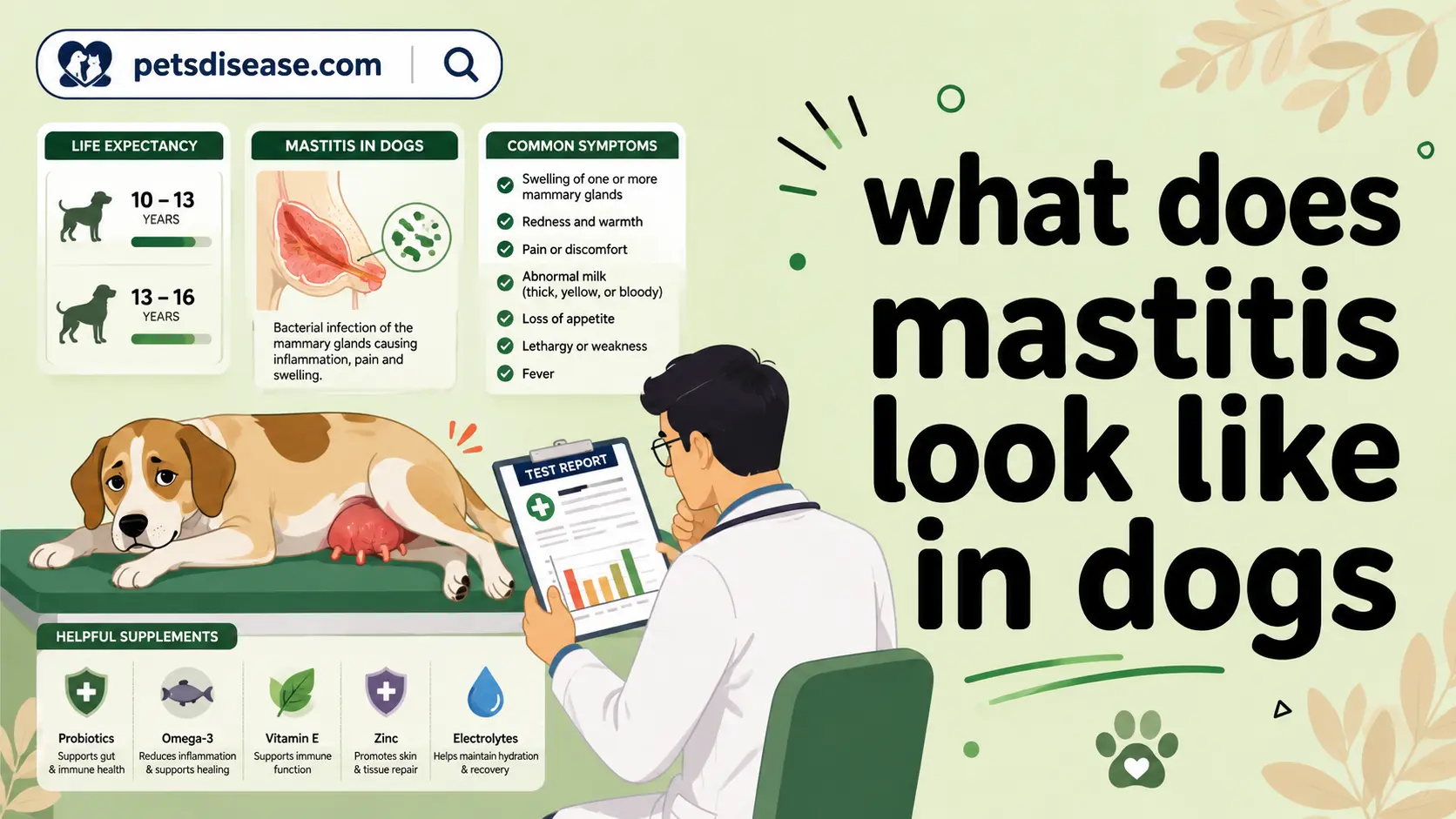
At first, a dog with mastitis may have one or more swollen mammary glands. The affected area can look red, warm, and larger than normal. In some cases, the milk may appear thick, yellow, bloody, or unusual. As the condition gets worse, the dog may seem tired, lose her appetite, or avoid feeding her puppies because of pain.
Fortunately, early care can help dogs recover more quickly. Therefore, it is important to check nursing dogs regularly and watch for changes in their mammary glands. By understanding the signs of mastitis, pet owners can take action sooner and help keep both the mother dog and her puppies healthy and safe.
How Do I Know If My Dog Has Mastitis?
Common Physical Signs of Mastitis
Many dog owners first notice mastitis when they see changes in their dog’s mammary glands. The affected area often becomes swollen, red, and painful. In thid situation the owner begins to think about what does mastitis look like in dogs. In addition, the skin may feel warm when touched. Some dogs allow gentle handling, while others pull away because of discomfort. Furthermore, the milk from the infected gland may look thick, yellow, green, or even contain blood. Because these signs can appear quickly, regular observation is very important, especially during nursing periods.
Pet owners often ask how they can tell whether the problem is serious or not. In most cases, mastitis causes visible inflammation that differs from normal nursing changes. Moreover, the affected mammary gland may appear larger than the others. Puppies may also avoid feeding from that gland because the milk tastes different or does not flow properly. As a result, puppies may seem hungry more often and fail to gain weight at a healthy rate.
Veterinarians frequently examine the mammary glands and evaluate milk quality to confirm a diagnosis. What does Mastitis look like in Dogs is a common question because symptoms vary from mild swelling to severe infection. Therefore, understanding the physical warning signs helps owners seek treatment sooner. Early veterinary care often prevents complications and supports a faster recovery for both the mother dog and her puppies.
What does mastitis look like in dogs: Behavioral Changes That May Indicate Mastitis
Dogs with mastitis often show noticeable changes in behavior. For example, a normally friendly nursing mother may become restless, irritable, or protective. Additionally, she may avoid lying down comfortably because pressure on the affected gland causes pain. These behavioral changes often appear before severe physical symptoms develop.
Many dogs also lose interest in food when an infection becomes more serious. Consequently, they may eat less and drink less water than usual. Some mothers spend less time caring for their puppies because discomfort makes nursing difficult. Meanwhile, puppies may cry more often because they receive less milk. These clues help owners recognize that something is wrong.
Because behavioral changes can occur with many illnesses, owners should look for multiple symptoms rather than relying on one sign alone. However, when appetite loss, discomfort, and swollen mammary glands appear together, mastitis becomes a strong possibility. Therefore, prompt evaluation by a veterinarian remains the safest approach.
Mastitis Symptoms vs Normal Nursing Changes
| Normal Nursing Changes | Mastitis Symptoms |
| Mild breast enlargement | Severe swelling |
| Comfortable nursing | Pain during nursing |
| Normal milk color | Yellow or bloody milk |
| No redness | Red skin |
| Normal body temperature | Fever |
| Good appetite | Reduced appetite |
| Calm behavior | Irritability |
| Puppies feed normally | Puppies avoid nursing |
| Even gland size | One gland enlarged |
| No discharge | Abnormal discharge |
| Normal energy levels | Lethargy |
| Soft mammary tissue | Hard mammary tissue |
Can Dog Mastitis Go Away on Its Own?
Understanding Mild and Severe Cases
Some mild cases of mastitis may appear less serious at first. However, that does not mean the condition should be ignored. Bacteria often cause mastitis, and infections can spread quickly if treatment is delayed. Therefore, even when symptoms seem minor, veterinary advice remains important. Early intervention often prevents more severe complications.
A dog may experience slight swelling and discomfort during the early stages of infection. Nevertheless, bacterial growth can continue beneath the surface. As a result, the mammary gland may become increasingly painful and inflamed. Furthermore, untreated infections may lead to abscesses, tissue damage, or widespread illness.
Because every case is different, no owner should assume recovery will occur without professional care. Although mild inflammation occasionally improves, serious infections rarely resolve completely on their own. Therefore, monitoring symptoms closely and seeking veterinary guidance provides the safest path toward recovery.
Risks of Waiting Too Long
Delaying treatment can create significant health risks. For example, bacteria may enter the bloodstream and cause systemic illness. Consequently, a dog may develop fever, weakness, dehydration, and severe discomfort. In advanced cases, emergency treatment becomes necessary.
The puppies also face potential risks. If infected milk reaches the litter, young puppies may become sick. Moreover, reduced milk production can affect growth and development. Therefore, protecting both the mother and puppies requires prompt attention to any signs of mastitis.
Veterinarians often recommend treatment even when symptoms seem manageable. Because infections can worsen rapidly, professional evaluation helps identify problems before they become emergencies. Early care generally costs less and produces better outcomes.
Untreated Mastitis vs Treated Mastitis
| Untreated Mastitis | Treated Mastitis |
| Infection may worsen | Infection controlled |
| Increased pain | Reduced discomfort |
| Higher fever risk | Fever managed |
| Poor milk quality | Improved milk quality |
| Puppy health concerns | Better puppy nutrition |
| Possible abscess formation | Lower abscess risk |
| Longer recovery | Faster recovery |
| Reduced appetite | Appetite improves |
| Increased inflammation | Swelling decreases |
| Risk of tissue damage | Tissue protected |
| Potential hospitalization | Less chance of hospitalization |
| Greater complications | Better prognosis |
How Do You Treat Mastitis in Dogs?
Veterinary Treatment Options
Treatment depends on the severity of the infection. Veterinarians commonly prescribe antibiotics to eliminate harmful bacteria. In addition, they may recommend pain relief medications to reduce discomfort. Because each dog responds differently, treatment plans often vary according to symptoms and overall health.
Veterinarians also perform diagnostic tests when necessary. For example, they may examine milk samples or conduct laboratory testing to identify specific bacteria. As a result, they can choose the most effective medication. Furthermore, regular follow-up visits help ensure the infection is responding to treatment.
Prompt treatment usually produces the best results. Therefore, owners should follow all medication instructions carefully. Completing the full antibiotic course helps prevent recurring infections and supports long-term health.
Home Care During Recovery
Supportive home care plays a valuable role in recovery. Owners should keep the nursing area clean and comfortable. Additionally, they should monitor the affected glands for changes in swelling, redness, or discharge. Clean bedding helps reduce bacterial exposure and promotes healing.
Dogs recovering from mastitis benefit from proper hydration and balanced nutrition. Consequently, owners should encourage water intake and provide high-quality food. Rest also supports the immune system and helps the body fight infection more effectively.
While home care helps, it should never replace veterinary treatment. Instead, it works alongside professional medical care. Therefore, combining medication with supportive management offers the greatest chance of a successful recovery.
Professional Treatment vs Home Care
| Professional Treatment | Home Care Support |
| Antibiotics prescribed | Clean environment |
| Diagnostic testing | Fresh bedding |
| Veterinary monitoring | Hydration support |
| Pain medications | Comfortable resting area |
| Infection management | Daily observation |
| Abscess treatment | Gentle care |
| Laboratory analysis | Nutritional support |
| Emergency intervention | Stress reduction |
| Follow-up examinations | Monitoring appetite |
| Medical expertise | Monitoring puppies |
| Advanced therapies | Recovery assistance |
| Long-term management | Ongoing support |
What Do Early Signs of Mastitis Look Like?
Recognizing Early Warning Symptoms
Early detection greatly improves treatment success. One of the first signs is mild swelling in one or more mammary glands. In addition, the area may feel warmer than surrounding tissue. Because these changes often appear gradually, owners should examine nursing dogs regularly.
A dog may also become slightly uncomfortable during feeding sessions. Consequently, she may change positions frequently or resist nursing. Furthermore, puppies may struggle to feed effectively from the affected gland. These subtle changes often provide important clues before severe symptoms develop.
Many owners overlook early symptoms because they resemble normal nursing changes. However, persistent redness, swelling, and tenderness deserve attention. Therefore, routine observation remains one of the best tools for early detection. All these things lead to think about what does mastitis look like in dogs
Changes in Milk Appearance
Milk appearance often changes during the early stages of mastitis. Healthy milk usually appears white and consistent. In contrast, infected milk may become thick, yellowish, or discolored. Therefore, observing milk quality can provide useful information.
Some dogs continue producing milk despite infection. However, the quality of that milk may decline. Consequently, puppies may nurse less frequently or seem dissatisfied after feeding. These changes should encourage closer monitoring.
Because milk abnormalities often indicate infection, veterinary evaluation is recommended whenever unusual changes appear. Early diagnosis can prevent worsening symptoms and improve outcomes for both mother and litter.
Early Signs vs Advanced Symptoms
| Early Signs | Advanced Symptoms |
| Mild swelling | Severe swelling |
| Slight warmth | Extreme heat |
| Minor discomfort | Severe pain |
| Small redness areas | Extensive redness |
| Normal activity | Lethargy |
| Mild appetite changes | Significant appetite loss |
| Slight milk changes | Bloody discharge |
| Occasional nursing issues | Refusal to nurse |
| Mild gland enlargement | Large hardened gland |
| No fever or mild fever | High fever |
| Alert behavior | Weakness |
| Localized symptoms | Systemic illness |
Here’s the next part of your article in a reusable draft format.
What Does Mastitis Look Like in Dogs? Causes and Risks
Common Causes of Mastitis in Dogs
Mastitis usually develops when bacteria enter a dog’s mammary gland through small cuts, scratches, or damaged skin around the nipples. Nursing mothers face the highest risk because puppies often scratch the area while feeding. As a result, harmful bacteria can move into the gland and cause infection. In addition, poor hygiene around the whelping box can increase bacterial growth. Therefore, keeping the nursing environment clean plays a major role in protecting the mother dog from infection.
Several health conditions can also contribute to mastitis. For example, milk that remains trapped inside the mammary glands may create an ideal environment for bacteria. Furthermore, puppies that suddenly stop nursing can leave excess milk behind. Consequently, pressure builds inside the gland and raises the risk of inflammation. Veterinarians often see this problem during weaning or after puppy loss.
Many owners wonder What does Mastitis look like in Dogs when symptoms first appear. Understanding the causes helps owners recognize potential dangers before serious complications develop. Therefore, learning about risk factors can help prevent infections and support a healthier recovery if mastitis occurs.
Risk Factors Every Dog Owner Should Know
Certain dogs have a greater chance of developing mastitis than others. Nursing mothers remain the most common patients because milk production places extra stress on the mammary glands. Additionally, dogs with weakened immune systems may struggle to fight infections effectively. Therefore, regular health monitoring becomes especially important during pregnancy and nursing.
Environmental factors also play a significant role. Dirty bedding, crowded living conditions, and poor sanitation may expose dogs to harmful bacteria. Moreover, stress can weaken the immune system and make infections more likely. Consequently, providing a calm and clean environment supports overall health.
Early awareness of these risks allows owners to act quickly. Because prevention often proves easier than treatment, maintaining proper hygiene and monitoring mammary health can reduce the likelihood of infection and improve long-term wellness.
Causes vs Risk Factors of Mastitis
| Causes | Risk Factors |
| Bacterial infection | Nursing puppies |
| Damaged nipple tissue | Poor hygiene |
| Milk buildup | Weak immune system |
| Blocked milk ducts | Stress |
| Open wounds | Dirty bedding |
| Mammary gland injury | Large litters |
| Puppy scratches | Recent birth |
| Skin infections | Inadequate nutrition |
| Inflammation | Poor sanitation |
| Trauma to glands | Crowded environment |
| Weaning complications | Previous mastitis history |
| Untreated infections | Health disorders |
What Does Mastitis Look Like in Dogs? Can It Go Away?
Can Mild Mastitis Improve Naturally?
Some dog owners hope that mild mastitis will disappear without treatment. Although minor inflammation may improve temporarily, bacterial infections usually require veterinary attention. Therefore, relying on natural recovery alone can be risky. Early treatment often prevents the condition from becoming more severe.
When mastitis develops, the affected gland becomes irritated and inflamed. Consequently, bacteria may continue multiplying even if symptoms appear mild. Furthermore, swelling and discomfort can worsen over time. For this reason, veterinarians generally recommend prompt evaluation whenever signs of infection appear.
Ignoring symptoms may delay recovery and increase the chance of complications. Therefore, owners should monitor changes carefully and seek professional guidance if redness, swelling, or abnormal milk develops.
Dangers of Untreated Mastitis
Untreated mastitis can lead to serious health concerns. For example, severe infections may spread beyond the mammary gland and affect the entire body. As a result, a dog may develop fever, weakness, dehydration, and significant discomfort. These complications often require more intensive treatment.
The puppies can also suffer when mastitis remains untreated. Because infected milk may affect feeding quality, puppies may struggle to receive proper nutrition. Additionally, reduced milk production can slow growth and development. Therefore, addressing mastitis quickly protects both the mother and her litter.
Veterinary treatment greatly improves recovery outcomes. Consequently, owners should never assume that visible symptoms will resolve completely without medical support. Early intervention remains the safest option.
Mild Cases vs Untreated Severe Cases
| Mild Managed Cases | Untreated Severe Cases |
| Reduced swelling | Severe inflammation |
| Faster recovery | Prolonged illness |
| Healthy milk production | Abnormal milk |
| Better comfort | Increased pain |
| Healthy puppies | Puppy health risks |
| Lower infection spread | Infection spread |
| Stable appetite | Appetite loss |
| Normal energy | Extreme fatigue |
| Lower treatment costs | Higher treatment costs |
| Better prognosis | Greater complications |
| Less tissue damage | Possible tissue death |
| Shorter recovery time | Longer recovery time |
What Does Mastitis Look Like in Dogs? Treatment Options
Veterinary Treatments for Mastitis
Veterinarians usually treat mastitis with antibiotics that target the underlying infection. In addition, they may prescribe medications that reduce pain and inflammation. Because every infection differs, treatment plans depend on symptom severity and the dog’s overall health. Therefore, professional diagnosis remains an important part of successful treatment.
Some cases require additional testing. For example, veterinarians may analyze milk samples to identify the exact bacteria causing the infection. As a result, they can select the most effective medication. Furthermore, follow-up examinations help confirm that the infection is resolving properly.
Prompt medical treatment often produces the best results. Therefore, owners should follow all veterinary instructions carefully and complete every prescribed medication course.
Supportive Care at Home
Home care supports recovery alongside professional treatment. Owners should keep the affected area clean and monitor changes daily. Additionally, providing a comfortable resting space helps reduce stress and encourages healing. Consequently, dogs often recover more comfortably when they receive proper supportive care.
Good nutrition also plays a valuable role during recovery. Because the immune system needs energy to fight infection, balanced meals and adequate hydration support healing. Furthermore, regular observation allows owners to identify worsening symptoms quickly.
Although home management helps, it cannot replace veterinary care. Instead, it works best when combined with medical treatment prescribed by a veterinarian.
Veterinary Care vs Home Support
| Veterinary Care | Home Support |
| Prescribed antibiotics | Clean bedding |
| Pain management | Fresh water |
| Diagnostic testing | Nutritious food |
| Milk analysis | Comfortable rest |
| Professional monitoring | Daily observation |
| Infection control | Hygiene maintenance |
| Follow-up visits | Stress reduction |
| Emergency treatment | Puppy monitoring |
| Medical expertise | Recovery support |
| Surgical intervention if needed | Safe environment |
| Advanced therapies | Gentle handling |
| Long-term planning | Consistent care |
What Does Mastitis Look Like in Dogs? When to See a Vet
Warning Signs That Need Immediate Attention
Certain symptoms require immediate veterinary care. For example, high fever, severe swelling, bloody discharge, and extreme pain often indicate a serious infection. Therefore, owners should not delay treatment when these signs appear. Quick action may prevent complications and improve recovery outcomes.
Dogs with advanced mastitis may become weak and reluctant to move. Additionally, they may stop eating or drinking normally. Consequently, dehydration and worsening illness can develop rapidly. Early veterinary intervention helps address these concerns before they become emergencies.
Recognizing severe symptoms allows owners to make informed decisions. Therefore, monitoring both physical and behavioral changes remains essential during the nursing period.
Benefits of Early Veterinary Care
Veterinarians can identify problems that owners may overlook. For instance, laboratory testing can reveal bacterial infections before severe complications occur. As a result, treatment begins sooner and recovery often progresses more smoothly.
Early veterinary care also protects puppies. Because healthy milk production supports puppy growth, addressing infections quickly benefits the entire litter. Furthermore, prompt treatment reduces the risk of long-term mammary gland damage.
Professional care remains one of the most effective ways to protect a nursing mother dog. Therefore, scheduling an examination at the first sign of concern is often the safest choice.
Emergency Signs vs Routine Monitoring
| Emergency Signs | Routine Monitoring |
| High fever | Normal temperature checks |
| Bloody discharge | Milk observation |
| Severe swelling | Mild gland monitoring |
| Extreme pain | Comfort checks |
| Refusal to eat | Appetite tracking |
| Weakness | Energy monitoring |
| Rapid worsening | Stable symptoms |
| Abscess formation | Normal nursing checks |
| Dehydration | Water intake observation |
| Severe redness | Mild skin inspection |
| Difficulty nursing | Nursing supervision |
| Systemic illness | General wellness checks |
Conclusion: What Does Mastitis Look Like in Dogs
Understanding what mastitis looks like in dogs can help pet owners recognize problems early and seek treatment before serious complications develop. This condition often causes swelling, redness, warmth, pain, and changes in milk production. While some symptoms may seem mild at first, mastitis can progress quickly if left untreated. Therefore, regular monitoring of nursing dogs is essential for protecting both the mother and her puppies.
Fortunately, most dogs recover well when they receive prompt veterinary care and proper support at home. In addition, maintaining good hygiene, providing balanced nutrition, and watching for unusual changes can lower the risk of infection. Throughout this guide, we explored the common signs, causes, treatment options, and prevention tips related to mastitis. By staying informed and acting quickly when symptoms appear, dog owners can support a safe recovery and help their pets remain healthy, comfortable, and happy during the nursing period and beyond.
FAQs
What causes mastitis in dogs?
Mastitis usually occurs when bacteria enter the mammary glands through small wounds, scratches, or damaged skin around the nipples. It can also develop when milk builds up inside the glands and does not drain properly. Nursing mothers face the highest risk because puppies often scratch the skin while feeding.
What are the first signs of mastitis in dogs?
The earliest signs often include mild swelling, redness, warmth, and tenderness in one or more mammary glands. Some dogs may also seem uncomfortable during nursing. In addition, changes in milk color or consistency can appear before more severe symptoms develop.
Can mastitis in dogs be an emergency?
Yes, severe mastitis can become an emergency if the infection spreads throughout the body. Symptoms such as high fever, extreme pain, weakness, dehydration, or bloody discharge require immediate veterinary attention. Early treatment greatly reduces the risk of serious complications.
Can puppies nurse from a dog with mastitis?
It depends on the severity of the infection and the veterinarian’s advice. In some mild cases, puppies may continue nursing safely. However, severe infections or abnormal milk production may require alternative feeding methods to protect the puppies’ health and nutrition.
How is mastitis diagnosed in dogs?
Veterinarians diagnose mastitis through a physical examination and by reviewing symptoms. They may also test milk samples to identify bacteria and determine the best treatment. In some cases, additional laboratory tests help evaluate the dog’s overall health and infection level.
How long does mastitis take to heal?
Recovery time varies depending on the severity of the infection and how quickly treatment begins. Mild cases may improve within a few days, while more serious infections can take several weeks. Following veterinary instructions helps support faster and safer healing.
Can mastitis return after treatment?
Yes, mastitis can return if underlying causes are not addressed. Poor hygiene, repeated nipple injuries, and incomplete treatment may increase the risk of recurrence. Regular monitoring and proper nursing care can help reduce the chances of future infections.
Is mastitis painful for dogs?
Yes, mastitis is often painful because it causes inflammation and pressure within the mammary glands. Affected dogs may avoid nursing, become irritable, or react when the area is touched. Prompt treatment helps relieve discomfort and improve recovery.
Can mastitis affect milk production?
Yes, mastitis can reduce milk production and change the quality of the milk. Infected glands may produce less milk or abnormal milk that appears yellow, thick, or bloody. These changes can affect puppy nutrition if not addressed promptly.
How can I help prevent mastitis in my dog?
You can help prevent mastitis by keeping the nursing area clean, checking mammary glands regularly, and ensuring puppies nurse properly. In addition, providing good nutrition and monitoring for injuries around the nipples can lower the risk of infection and support overall health.