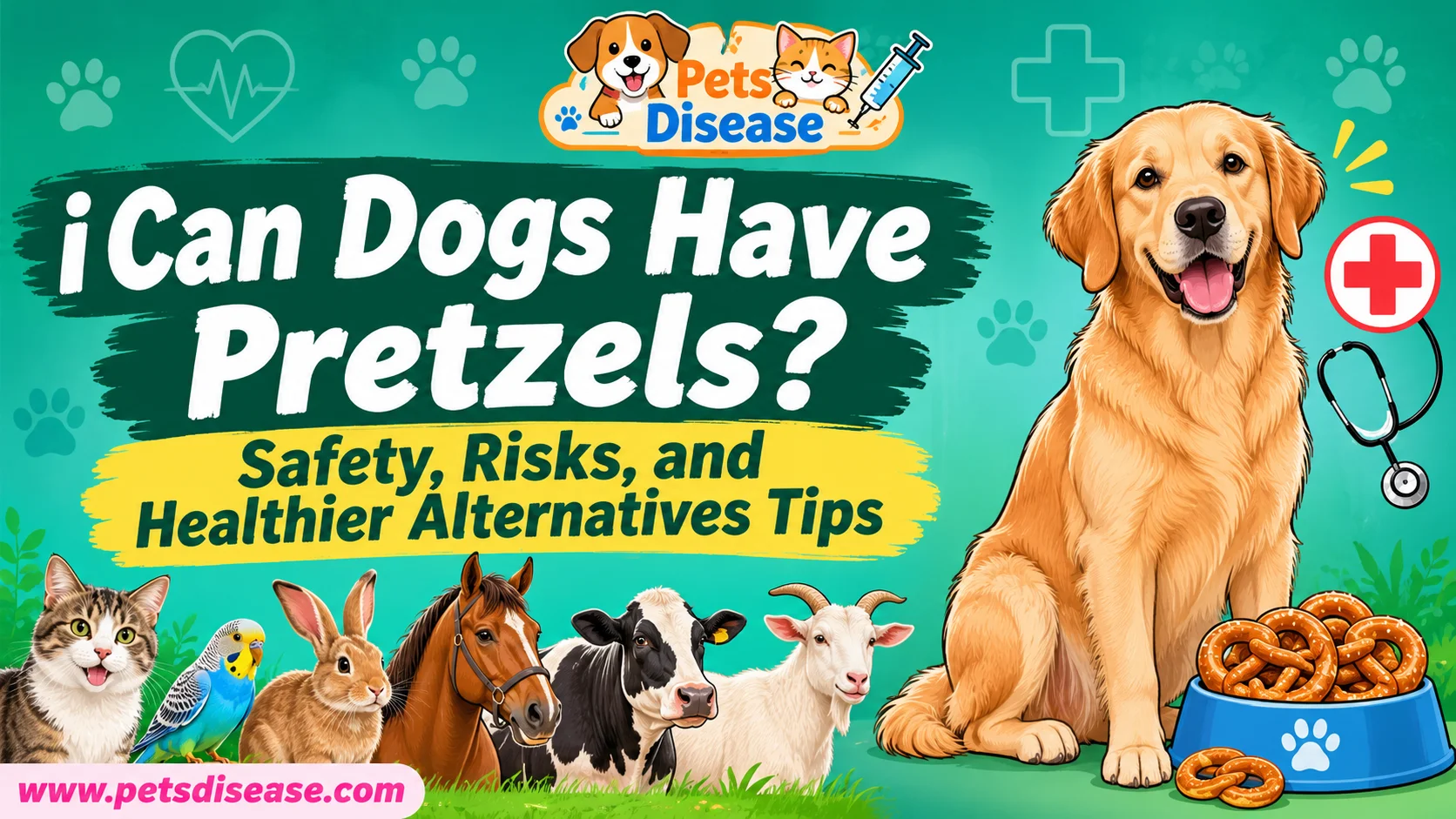
Can dogs have pretzels? A small piece of a plain pretzel is unlikely to harm most healthy adult dogs. However, pretzels are not a healthy snack because they often contain excessive salt, refined carbohydrates, and unnecessary calories. Flavored varieties may also contain ingredients that are toxic to dogs.
If your dog steals a pretzel from your snack bowl, there is usually no need to panic immediately. The risk depends on the ingredients, quantity eaten, your dog’s size, and overall health. Understanding these factors can help you decide whether to monitor your pet or contact a veterinarian.
Are Pretzels Safe for Dogs?
Pretzels are not inherently poisonous to dogs when they contain basic ingredients such as flour, water, and yeast. Nevertheless, their nutritional value for dogs is limited, making them an unsuitable regular snack.
The biggest concern is sodium. Many commercially prepared pretzels contain added salt, which can become harmful when dogs consume too much. Even a snack that seems small to a person may represent a significant amount of sodium for a small dog.
Can Dogs Eat Plain Pretzels?
A small piece of an unsalted, plain pretzel is generally less concerning than a heavily salted or flavored variety. However, plain pretzels still provide little nutritional benefit.
Consider these factors before sharing any human snack:
- Ingredients: Check whether the product contains only basic baking ingredients.
- Salt content: Avoid varieties with added sodium.
- Portion size: Large servings increase unnecessary calorie and carbohydrate intake.
- Health conditions: Dogs with kidney, heart, or blood pressure problems may need restricted sodium intake.
A tiny accidental bite is generally less concerning than eating several pretzels. However, owners should not make these snacks part of their dog’s regular diet.
Are Pretzels Good for Dogs?
No. Although pretzels provide carbohydrates, they do not offer the balanced nutrition dogs need.
A complete dog food already supplies essential nutrients, including protein, fats, vitamins, and minerals. Adding salty snacks does not improve that nutritional balance.
Regularly sharing human snacks can also make it harder to manage your dog’s daily calorie intake. Therefore, choosing a nutritious dog-friendly treat is a better option.
Why Are Pretzels Bad for Dogs?
The main concern is not simply that pretzels contain flour. Their salt content, seasonings, and additional ingredients can create different health risks.
Understanding these potential problems helps owners make safer feeding decisions.
1. Excessive Sodium Can Cause Salt Poisoning
Salt is the most significant concern when dogs consume large quantities of pretzels.
Dogs need some sodium for normal bodily functions. However, excessive sodium chloride intake can disturb the body’s fluid and electrolyte balance.
Depending on the amount consumed and the dog’s access to fresh water, excessive salt can cause sodium toxicity, also called salt poisoning or hypernatremia.
Possible symptoms include:
- Excessive thirst
- Increased urination
- Vomiting
- Diarrhea
- Weakness or unusual tiredness
- Muscle tremors
- Difficulty walking
- Seizures in severe cases
Small dogs may face greater risks from the same quantity of salty food because their bodies are smaller.
2. Digestive Problems
Even when a pretzel does not contain a dangerous ingredient, it may upset your dog’s stomach.
Dogs that are not accustomed to processed human snacks may experience digestive discomfort after eating them. The amount consumed and individual digestive sensitivity can influence the reaction.
Watch for:
- Loose stools
- Vomiting
- Gas
- Reduced appetite
- Abdominal discomfort
A single tiny piece may cause no noticeable reaction. However, repeated feeding can introduce unnecessary digestive and dietary problems.
3. Unnecessary Calories and Weight Gain
Most pretzels contain refined flour and carbohydrates. Although carbohydrates can be part of a balanced canine diet, pretzels are not a particularly useful source.
Frequent snacking can contribute to excessive calorie consumption, especially when owners already provide regular meals and commercial treats.
Over time, excess calories may contribute to weight gain. Maintaining a healthy body condition helps support your dog’s mobility, overall health, and quality of life.
4. Dangerous Seasonings and Sweeteners
Flavored pretzels require additional caution because their ingredients can create risks beyond sodium.
Some products contain seasonings or sweeteners that dogs should never consume.
Important ingredients to watch for include:
- Garlic powder: Garlic can damage red blood cells and contribute to anemia.
- Onion powder: Onion is toxic to dogs in raw, cooked, and powdered forms.
- Xylitol: This sweetener can cause dangerously low blood sugar and potentially liver damage.
- Chocolate: Chocolate contains substances that can affect a dog’s heart and nervous system.
- Excessive sugar: Sugary coatings provide unnecessary calories and may cause digestive discomfort.
Always read the ingredient label instead of assuming that a flavored snack is harmless.
Can Dogs Eat Different Types of Pretzels?
Not all pretzels contain the same ingredients. Their shapes, preparation methods, seasonings, and toppings can significantly change their suitability for dogs.
Here is how common varieties compare.
| Pretzel Type | Suitable for Dogs? | Main Concern |
|---|---|---|
| Plain unsalted pretzels | Tiny accidental piece is generally low risk | Limited nutritional value |
| Salted pretzels | Not recommended | Excessive sodium |
| Pretzel sticks | Not recommended | Salt and unnecessary calories |
| Soft pretzels | Not recommended | Salt, butter, and toppings |
| Pretzel chips | Not recommended | Added salt and seasonings |
| Chocolate-covered pretzels | Unsafe | Chocolate toxicity |
| Garlic pretzels | Unsafe | Garlic toxicity |
| Onion-flavored pretzels | Unsafe | Onion toxicity |
| Sweet pretzels | Depends on ingredients; avoid xylitol | Sugar and potentially harmful sweeteners |
Can Dogs Eat Pretzel Sticks?
Pretzel sticks are usually made from refined flour, salt, and other baking ingredients. Their thin shape does not make them a healthier choice.
A tiny piece of an unseasoned stick is unlikely to cause serious problems for most healthy dogs. However, salted varieties add unnecessary sodium to your pet’s diet.
Avoid offering pretzel sticks as training rewards or everyday snacks. Small dog treats provide a more appropriate alternative.
Can Dogs Eat Soft Pretzels?
Soft pretzels are generally not recommended for dogs.
They may contain substantial amounts of salt, butter, or other toppings. Cheese sauces and flavored dips can introduce additional ingredients that may upset your dog’s stomach.
Some soft pretzels also contain sweet toppings. Always consider the complete ingredient list rather than judging the snack by its appearance.
If your dog steals a small piece of a plain soft pretzel, check its ingredients and monitor your pet. Contact your veterinarian if the product contains potentially toxic ingredients or your dog develops symptoms.
Can Dogs Eat Chocolate-Covered Pretzels?
No. Chocolate-covered pretzels should never be given to dogs.
Chocolate contains theobromine and caffeine, which dogs cannot process as efficiently as humans. Exposure can cause vomiting, restlessness, abnormal heart rhythms, tremors, and seizures.
The severity depends on the chocolate type, quantity consumed, and dog’s weight. Dark chocolate and baking chocolate generally contain higher concentrations of toxic substances than milk chocolate.
If your dog eats chocolate-covered pretzels, contact a veterinarian immediately. Do not wait for symptoms to appear.
Can Dogs Eat Garlic or Onion Pretzels?
No. Pretzels containing garlic or onion seasoning are unsafe for dogs.
Both ingredients belong to the Allium family. They contain compounds that can damage red blood cells and potentially cause hemolytic anemia.
Powdered seasonings deserve particular attention because they are concentrated ingredients.
Symptoms may include weakness, vomiting, reduced appetite, pale gums, and unusual breathing. Some signs may take several days to become apparent.
If your dog eats these products, seek veterinary advice promptly.
What Happens If Your Dog Eats Pretzels?
The effects depend on the product, quantity, and your dog’s individual circumstances.
For example, a healthy 30-kilogram dog that swallows one small piece of a plain pretzel has a different exposure from a 3-kilogram puppy that eats several heavily salted pretzel sticks.
There is no universal safe pretzel quantity that applies to every dog.
What to Do Immediately
If your dog eats pretzels accidentally, follow these practical steps:
- Remove the remaining pretzels: Prevent your dog from eating additional pieces.
- Check the ingredients: Look for salt, garlic, onion, chocolate, and xylitol.
- Estimate the quantity: Try to determine how many pieces your dog swallowed.
- Consider your dog’s size: A small dog may be affected by an amount that is less concerning for a larger dog.
- Provide access to fresh water: Keep clean drinking water available without forcing your dog to drink large quantities.
- Contact your veterinarian when necessary: Seek professional advice if your dog ate a large amount, consumed a potentially toxic ingredient, or has an existing medical condition.
Never attempt to induce vomiting or treat suspected salt poisoning at home without veterinary instructions.
Symptoms That Require Veterinary Attention
Some signs of excessive salt consumption can initially resemble ordinary stomach upset. However, neurological symptoms may indicate a more serious problem.
Contact a veterinarian immediately if you notice:
- Repeated vomiting or diarrhea
- Unusual weakness or lethargy
- Excessive thirst
- Unsteady walking
- Muscle twitching or tremors
- Disorientation
- Seizures
If the pretzels contained xylitol, chocolate, garlic, or onion, seek veterinary guidance even if your dog appears normal.
Early assessment can help a veterinarian determine whether treatment or monitoring is necessary.
Are Pretzels Safe for Puppies?
Puppies should not be given pretzels as snacks.
Young dogs need carefully balanced nutrition to support healthy growth and development. Their daily food should provide appropriate amounts of protein, fats, minerals, and vitamins.
Pretzels offer little nutritional value and may introduce excessive sodium.
Puppies also tend to explore their surroundings by chewing and swallowing unfamiliar objects. Owners should therefore keep packaged snacks and other unsuitable foods out of reach.
Choose treats specifically designed for puppies. These products are generally easier to portion and can complement an appropriate feeding routine.
If a puppy accidentally eats salted pretzels, contact a veterinarian for advice based on the puppy’s weight and the amount consumed.
Healthier Alternatives to Pretzels for Dogs
If your dog enjoys crunchy snacks, you do not need to share human pretzels. Several dog-friendly foods can provide a more nutritious option.
Fresh vegetables and certain fruits are useful alternatives when prepared correctly.
| Alternative | Potential Benefit | How to Serve |
|---|---|---|
| Carrots | Provide fiber and beta-carotene | Wash and cut into small pieces |
| Cucumber | Contains plenty of water | Serve plain and sliced |
| Apple | Provides fiber and vitamin C | Remove seeds and core |
| Green beans | Provide fiber and nutrients | Serve plain, cooked, or fresh |
| Pumpkin | Provides dietary fiber | Use plain, cooked pumpkin |
| Blueberries | Contain antioxidants | Wash and serve in small portions |
| Zucchini | Provides fiber and moisture | Serve plain and chopped |
| Plain popcorn | Offers a crunchy texture | Air-pop without salt, butter, or seasoning |
Which Crunchy Treat Is Best?
Carrots are a practical alternative for many dogs because they provide a satisfying crunch without the heavy sodium content found in salted pretzels.
Cucumber is another option, especially for dogs that enjoy lighter, water-rich snacks.
Apples can also work well when the core and seeds are removed. Cut them into appropriately sized pieces to reduce choking risks.
Remember that even healthy foods should be introduced gradually. Individual dogs may have allergies, sensitivities, or dietary restrictions.
Treats should generally make up no more than 10% of a dog’s daily calorie intake. The remaining calories should come from a complete and balanced diet.
How to Prevent Dogs From Eating Human Snacks
Preventing accidental food consumption is easier than dealing with a potential poisoning incident.
Dogs are naturally curious, and the smell of freshly baked or seasoned snacks can attract their attention.
A few simple household habits can reduce unnecessary risks.
- Keep pretzel packets inside closed cupboards.
- Avoid leaving snack bowls on low tables.
- Teach your dog basic commands such as “leave it” and “drop it.”
- Ask family members not to share salty snacks.
- Check food labels before allowing your dog near unfamiliar products.
- Dispose of snack packaging where pets cannot reach it.
- Keep fresh drinking water available throughout the day.
Training also plays an important role. Reward your dog with appropriate treats when it ignores food dropped on the floor.
Consistency among family members helps prevent accidental feeding and reinforces healthier eating habits.
Frequently Asked Questions
Can dogs have pretzels in small amounts?
A tiny piece of a plain, unsalted pretzel is unlikely to cause problems for most healthy dogs. However, pretzels are not recommended as regular treats because they provide little nutritional benefit. Salted and flavored varieties should be avoided.
Can dogs eat one salted pretzel?
One small salted pretzel is unlikely to cause salt poisoning in most healthy adult dogs. However, the actual risk depends on its sodium content, your dog’s weight, and existing health conditions. Contact your veterinarian if you are concerned about the amount consumed.
Can dogs eat pretzels without salt?
Unsalted pretzels eliminate the concern associated with added salt, but they are still refined-flour snacks with limited nutritional value. A small accidental bite is generally less concerning than a salted or flavored product.
Can dogs eat honey mustard pretzels?
Honey mustard pretzels are not recommended. They may contain added salt, sugar, onion powder, garlic powder, or other seasonings. Check the ingredient label carefully and avoid products containing ingredients that are harmful to dogs.
Can dogs eat sourdough pretzels?
Sourdough pretzels are not a suitable regular snack for dogs. Although sourdough preparation does not automatically make a baked pretzel toxic, commercial products can contain considerable sodium and additional seasonings.
Can dogs eat pretzel crisps?
Pretzel crisps are generally unsuitable for dogs because they often contain added salt and flavorings. A tiny piece of a plain variety is unlikely to cause serious problems, but there are healthier alternatives.
What should I do if my dog ate a whole bag of pretzels?
Contact your veterinarian immediately. A whole bag may contain a substantial amount of sodium, especially for a small dog. Keep the packaging so your veterinarian can review the ingredients and nutritional information. Do not wait for symptoms before seeking advice.
Are pretzels better for dogs than potato chips?
Neither snack is a good choice for dogs. Both can contain excessive salt and unnecessary calories. Flavored versions may also contain ingredients that are harmful to pets. Plain, dog-friendly treats are a better option.
Final Thoughts
So, can dogs have pretzels? A tiny piece of a plain, unsalted pretzel is generally unlikely to cause serious harm, but that does not make it a healthy treat. Salted, seasoned, and chocolate-covered varieties present additional risks that owners should avoid.
If your dog accidentally eats pretzels, consider the ingredients, quantity, and your pet’s size before deciding what to do. Contact a veterinarian if the amount is significant, potentially toxic ingredients are involved, or unusual symptoms develop.
For everyday rewards, choose carrots, cucumber, green beans, or commercially prepared dog treats. These options make it easier to provide enjoyable snacks without adding unnecessary salt to your dog’s diet.