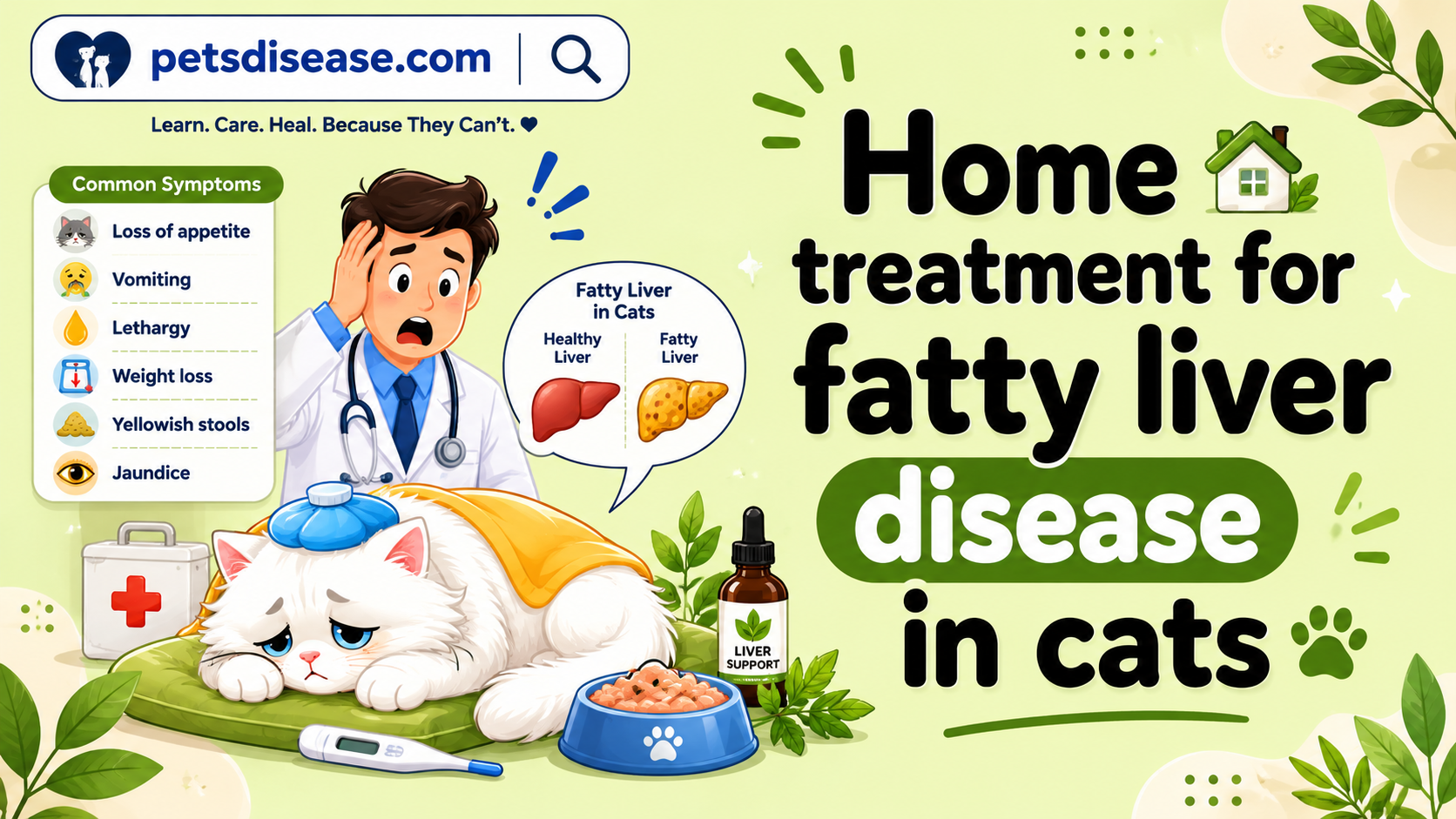
Cats can sometimes develop a fatty liver disease, which is also called hepatic lipidosis. This health problem happens when too much fat builds up in the liver. As a result, the liver cannot work properly. Many cat owners feel worried when they hear this diagnosis. However, with the right care and support, many cats can recover and live happy lives. People keep on asking abou Home treatment for fatty liver disease in cats
Home treatment for fatty liver disease in cats focuses on proper nutrition, hydration, and regular care. For example, feeding your cat the right food can help the liver heal. In addition, making sure your cat drinks enough water is very important. Because every cat is different, you should always work closely with a veterinarian while caring for your pet at home.
🐾 Pets Disease Dashboard
Select an animal to see diseases & symptoms
In this guide, you will learn simple and safe ways to support your cat during recovery. Moreover, you will discover helpful tips about feeding, monitoring symptoms, and creating a comfortable environment. By following the right steps and getting professional advice when needed, you can help your cat feel better and improve its overall health.
Home Treatment for Fatty Liver Disease in Cats: Complete Care Guide
Understanding Fatty Liver Disease in Cats
Fatty liver disease, also known as feline hepatic lipidosis, is a serious health condition that affects many cats, especially those that stop eating for several days. When a cat does not eat enough food, its body starts breaking down stored fat for energy. However, the liver may struggle to process this large amount of fat. As a result, fat builds up inside the liver cells and reduces normal liver function. Therefore, cat owners should recognize the warning signs early and seek veterinary advice quickly. Early action often improves recovery chances and helps prevent severe complications.
Many pet owners search for home treatment for fatty liver disease in cats because they want to support their pets during recovery. While home care can play an important role, it should never replace professional veterinary guidance. Instead, home care works best when combined with a treatment plan from a qualified veterinarian. Furthermore, owners can improve their cat’s comfort by creating a quiet environment, reducing stress, and following feeding instructions carefully. Consistent care often helps cats regain strength over time.
Recovery usually requires patience because the healing process may take several weeks or even months. However, many cats recover successfully when owners provide proper nutrition and close monitoring. In addition, regular weight checks, appetite monitoring, and hydration support can help track progress. Consequently, understanding the disease and following expert recommendations can make a significant difference in your cat’s long-term health.
Key Signs to Monitor During Recovery
Owners should monitor appetite closely because eating remains the most important part of recovery. A cat that refuses food may need immediate veterinary attention. Additionally, sudden weight loss, weakness, and lethargy can indicate ongoing liver stress. Therefore, keeping a daily record of food intake can help identify problems early.
Many cats also show physical signs such as yellow gums, yellow eyes, or yellow skin. This condition, called jaundice, often signals liver dysfunction. Furthermore, vomiting, drooling, and poor grooming habits may appear as the illness progresses. As a result, owners should pay attention to any unusual changes in behavior.
Regular observation helps identify improvements as well. For example, increased activity levels, improved appetite, and healthier coat condition often suggest positive recovery. Consequently, careful monitoring allows owners and veterinarians to adjust treatment plans when needed.
Comparison Table: Home Care vs Professional Veterinary Care
| Aspect | Home Care | Veterinary Care |
| Feeding Support | Daily monitoring | Medical feeding plans |
| Hydration | Fresh water access | Fluid therapy |
| Weight Tracking | Weekly checks | Professional assessment |
| Medication | Administer as prescribed | Prescribe medications |
| Cost | Lower | Higher |
| Monitoring | Owner observation | Diagnostic testing |
| Emergency Support | Limited | Immediate treatment |
| Nutritional Guidance | Basic support | Specialized diets |
| Disease Diagnosis | Not possible | Full diagnosis |
| Recovery Tracking | Visual observation | Blood tests |
| Complication Management | Limited | Advanced treatment |
| Long-Term Planning | Home routines | Medical follow-up |
Best Foods for Home Treatment for Fatty Liver Disease in Cats
Why Nutrition Matters Most
Nutrition serves as the foundation of recovery for cats with liver disease. Without adequate food intake, the liver cannot heal properly. Therefore, veterinarians often focus on restoring normal eating habits as quickly as possible. High-quality nutrition supplies essential nutrients that support liver function and overall health. Moreover, proper feeding helps prevent further fat accumulation inside the liver.
Cats recovering from liver disease usually need highly digestible foods that provide enough calories and protein. Consequently, veterinarians often recommend prescription recovery diets. These diets contain balanced nutrients and are easier for sick cats to digest. Furthermore, they help maintain muscle mass while supporting liver repair.
Many owners underestimate the importance of consistent feeding schedules. However, regular meals can improve energy levels and encourage better digestion. As a result, maintaining a structured feeding routine often contributes to a smoother recovery process.
Recommended Foods for Recovery
Veterinary-approved recovery foods often contain high-quality animal protein, moderate fat levels, and essential vitamins. Additionally, wet food usually works better because it increases water intake and improves palatability. Therefore, many cats find wet diets easier to eat during recovery.
Owners may also use prescribed recovery formulas when recommended by a veterinarian. These formulas provide concentrated nutrition and can help cats maintain their calorie intake. Furthermore, some cats require assisted feeding through a feeding tube. Although this process may seem intimidating, it often saves lives and significantly improves recovery outcomes.
Fresh water should remain available at all times. In addition, owners should clean food and water bowls daily to encourage healthy eating habits. Consequently, proper food hygiene supports both appetite and overall wellness.
Foods to Avoid
Certain foods may worsen liver stress and should be avoided. For example, highly processed foods with excessive fillers often provide poor nutritional value. Likewise, fatty table scraps can create additional digestive challenges. Therefore, owners should focus on veterinarian-approved diets.
Raw diets may also pose risks because sick cats often have weakened immune systems. Furthermore, sudden diet changes can upset digestion and reduce food intake. As a result, gradual dietary transitions usually work better than abrupt changes.
Owners should also avoid offering foods that contain toxic ingredients such as onions, garlic, chocolate, or artificial sweeteners. Consequently, selecting safe and nutritious food options remains essential throughout recovery.
Comparison Table: Recommended Foods vs Foods to Avoid
| Recommended Foods | Foods to Avoid |
| Prescription recovery diets | Fatty table scraps |
| High-protein wet food | Fried foods |
| Veterinary-approved canned food | Onion-containing foods |
| Easily digestible proteins | Garlic-containing foods |
| Recovery formulas | Chocolate |
| Lean chicken | Sugary snacks |
| Lean turkey | Highly processed treats |
| Hydrating wet foods | Excessively salty foods |
| Balanced nutritional diets | Spoiled food |
| Prescription liver support diets | Raw diets without approval |
| Fresh water | Flavored sugary drinks |
| Small frequent meals | Large irregular meals |
Here is the next section of your article.
Home Treatment for Fatty Liver Disease in Cats: Hydration and Nutrition
Why Hydration Is Essential for Recovery
Hydration plays a major role in helping a cat recover from liver disease. When a cat becomes dehydrated, the body struggles to transport nutrients and remove waste products efficiently. Therefore, maintaining proper fluid intake supports overall organ function and promotes healing. Many cats with liver problems lose interest in drinking water, so owners should encourage hydration throughout the day. Additionally, wet food can provide extra moisture and help increase total fluid intake.
Veterinarians often stress the importance of hydration because even mild dehydration can slow recovery. Furthermore, water helps regulate body temperature and supports healthy digestion. As a result, cats that stay hydrated often show better energy levels and improved appetite. Owners should place multiple water bowls around the home and clean them regularly to encourage drinking.
Many pet owners researching home treatment for fatty liver disease in cats focus mainly on food, yet hydration deserves equal attention. In addition, some cats prefer running water from pet fountains. Consequently, providing fresh and appealing water sources can make a significant difference during recovery.
Choosing the Right Nutrition Plan
Nutrition provides the building blocks the liver needs to repair itself. Therefore, cats recovering from fatty liver disease require nutrient-rich foods that contain adequate protein and calories. A balanced diet supports liver function while helping prevent additional weight loss. Moreover, proper nutrition helps maintain muscle mass and overall strength.
Veterinarians often recommend high-quality canned food because it contains more moisture than dry food. Additionally, many recovery diets include essential vitamins and minerals that support liver health. As a result, these diets often improve recovery outcomes when used consistently. Owners should follow veterinary recommendations carefully and avoid making sudden dietary changes.
Small and frequent meals often work better than large portions. Furthermore, regular feeding schedules help reduce digestive stress. Consequently, cats may feel more comfortable eating throughout the day, which improves calorie intake and recovery progress.
Tips for Improving Appetite
Cats with liver disease sometimes lose interest in food. Therefore, owners should use safe methods to encourage eating. Warming food slightly can enhance aroma and make meals more appealing. Additionally, offering meals in a quiet area may reduce stress and improve appetite.
Some cats respond well to hand-feeding or gentle encouragement during mealtime. Furthermore, maintaining a consistent routine helps create a sense of security. As a result, many cats become more willing to eat. However, owners should never force-feed a cat without veterinary guidance.
If appetite remains poor, veterinary assistance becomes important. In some cases, feeding tubes provide life-saving nutritional support. Consequently, early intervention often leads to better recovery outcomes and fewer complications.
Comparison Table: Hydration vs Nutrition in Recovery
| Hydration Benefits | Nutrition Benefits |
| Supports kidney function | Supports liver repair |
| Prevents dehydration | Prevents malnutrition |
| Improves digestion | Maintains muscle mass |
| Helps regulate temperature | Provides essential nutrients |
| Supports circulation | Boosts energy levels |
| Reduces fatigue | Supports immune health |
| Improves comfort | Aids tissue repair |
| Encourages appetite | Prevents excessive weight loss |
| Helps remove toxins | Supports healthy metabolism |
| Maintains organ function | Provides recovery calories |
| Supports overall wellness | Improves long-term health |
| Promotes faster recovery | Enhances strength and vitality |
When Home Treatment for Fatty Liver Disease in Cats Is Not Enough
Warning Signs That Require Veterinary Care
Although supportive care helps many cats, some situations require immediate veterinary attention. Severe lethargy, continuous vomiting, and complete refusal to eat are serious warning signs. Therefore, owners should never ignore these symptoms. Quick medical intervention often prevents the condition from becoming life-threatening.
Cats may also develop jaundice, which causes yellowing of the eyes, gums, and skin. Furthermore, breathing difficulties or extreme weakness indicate that the illness may be progressing. As a result, prompt veterinary evaluation becomes necessary. Early treatment often improves recovery chances and reduces complications.
Many owners start home treatment for fatty liver disease in cats with good intentions. However, supportive care has limitations. Consequently, recognizing emergency symptoms can save valuable time and potentially save a cat’s life.
Complications That Need Professional Treatment
Fatty liver disease can lead to several complications if left untreated. For example, severe malnutrition may weaken the immune system and affect multiple organs. Additionally, electrolyte imbalances can create dangerous health risks. Therefore, veterinarians often perform blood tests to monitor internal health.
Some cats require hospitalization to receive intravenous fluids, nutritional support, and medication. Furthermore, feeding tubes may become necessary when voluntary eating does not improve. As a result, professional treatment often provides advanced care that owners cannot deliver at home.
Regular veterinary monitoring allows doctors to adjust treatment plans based on progress. Consequently, professional care remains an important part of managing severe cases.
Balancing Home Care and Medical Treatment
The most effective recovery plans often combine home support with veterinary supervision. Therefore, owners should maintain regular communication with their veterinarian. This approach allows early identification of problems and helps ensure appropriate treatment.
Home care remains valuable because it provides comfort, nutrition, and daily monitoring. Additionally, owners can track appetite, water intake, and behavior changes. As a result, veterinarians receive useful information that supports treatment decisions.
A team approach usually produces the best outcomes. Consequently, combining professional expertise with dedicated home care gives many cats the strongest chance of recovery.
Comparison Table: Home Care vs Emergency Veterinary Care
| Home Care Situation | Veterinary Emergency Situation |
| Eating small meals | Refusing all food |
| Mild tiredness | Extreme weakness |
| Stable weight | Rapid weight loss |
| Drinking water | Severe dehydration |
| Normal breathing | Difficulty breathing |
| Occasional low appetite | Complete appetite loss |
| Alert behavior | Unresponsiveness |
| Mild recovery symptoms | Persistent vomiting |
| Following treatment plan | Sudden decline in health |
| Stable condition | Jaundice development |
| Comfortable at home | Severe pain signs |
| Routine monitoring | Immediate medical intervention |
Symptoms to get Home treatment for fatty liver disease in cats
Early Symptoms Owners Should Notice
The first symptoms of fatty liver disease often appear gradually. Many cats begin eating less food than usual and may lose weight over several days. Therefore, owners should pay attention to changes in appetite. Early detection often improves treatment success and recovery outcomes.
Cats may also become less active and spend more time sleeping. Additionally, they may stop grooming themselves regularly. As a result, their coat may appear dull or messy. These subtle changes often signal that something is wrong.
Recognizing symptoms early allows owners to seek veterinary guidance before the disease becomes severe. Consequently, prompt action can significantly improve the chances of recovery.
Advanced Symptoms of Liver Disease
As the condition worsens, symptoms often become more obvious. Jaundice is one of the most noticeable signs and causes yellow discoloration of the eyes, gums, and skin. Furthermore, affected cats may experience vomiting, drooling, and severe weakness.
Many pet owners researching home treatment for fatty liver disease in cats first notice these advanced symptoms. However, waiting until symptoms become severe can make treatment more difficult. Therefore, owners should act quickly when they observe unusual behavior.
Some cats may also develop balance problems or confusion. Consequently, advanced symptoms always require professional veterinary evaluation and care.
How Symptoms Affect Daily Life
Liver disease affects nearly every aspect of a cat’s daily routine. Reduced appetite often leads to weight loss and lower energy levels. Additionally, weakness may limit movement and normal activities. As a result, affected cats may withdraw from family interactions.
Many cats become less interested in play and spend most of their time resting. Furthermore, dehydration may increase discomfort and worsen fatigue. Therefore, owners should monitor daily habits carefully during recovery.
Tracking symptoms in a journal can help identify improvements or setbacks. Consequently, detailed records often help veterinarians make better treatment decisions.
Comparison Table: Early Symptoms vs Advanced Symptoms
| Early Symptoms | Advanced Symptoms |
| Reduced appetite | Complete food refusal |
| Mild weight loss | Severe weight loss |
| Increased sleeping | Extreme lethargy |
| Less grooming | Poor coat condition |
| Lower activity levels | Severe weakness |
| Mild dehydration | Significant dehydration |
| Behavioral changes | Confusion |
| Occasional nausea | Frequent vomiting |
| Mild digestive upset | Persistent digestive issues |
| Reduced playfulness | Inability to move normally |
| Decreased interest in surroundings | Withdrawal from interaction |
| Subtle health changes | Jaundice |
What Causes Fatty Liver Disease in Cats?
Lack of Food Intake
The most common cause of fatty liver disease is prolonged lack of food intake. When a cat stops eating, the body begins breaking down fat stores for energy. However, the liver may struggle to process the large amount of fat entering the bloodstream. As a result, fat accumulates inside liver cells and interferes with normal function.
Even a few days without proper nutrition can create serious health risks. Therefore, owners should never ignore appetite loss. Additionally, overweight cats face a higher risk because their bodies contain larger fat reserves.
Prompt veterinary attention helps identify the underlying reason for reduced food intake. Consequently, early intervention often prevents the disease from developing.
Underlying Health Conditions
Several medical conditions can trigger fatty liver disease. For example, diabetes, kidney disease, cancer, and digestive disorders may reduce appetite. Furthermore, infections and chronic illnesses often increase the risk. Therefore, veterinarians usually investigate underlying causes during diagnosis.
Pain can also discourage eating. Additionally, dental disease may make chewing uncomfortable and reduce food consumption. As a result, untreated health problems can contribute to liver complications.
Identifying and treating the root cause remains an essential part of recovery. Consequently, comprehensive veterinary care often improves long-term outcomes.
Stress and Environmental Changes
Cats are sensitive animals and often react strongly to changes in their environment. Moving to a new home, introducing a new pet, or major household disruptions can create significant stress. Therefore, some cats may stop eating when they feel anxious.
Many owners underestimate the impact of stress on feline health. However, emotional well-being directly affects appetite and overall health. Furthermore, prolonged stress may increase the risk of developing liver disease.
Creating a stable and calm environment helps reduce anxiety. Consequently, stress management can play an important role in prevention and recovery.
Comparison Table: Common Causes and Their Effects
| Cause | Effect on Cat |
| Appetite loss | Fat accumulation in liver |
| Obesity | Increased disease risk |
| Diabetes | Reduced food intake |
| Kidney disease | Poor appetite |
| Cancer | Weight loss |
| Dental pain | Difficulty eating |
| Digestive disorders | Nutritional deficiencies |
| Stress | Appetite suppression |
| Environmental changes | Anxiety-related fasting |
| Infections | Reduced energy and appetite |
| Chronic illness | Long-term nutritional problems |
| Medication side effects | Decreased food consumption |
How Long Does Recovery with Home treatment for fatty liver disease in cats
Factors That Affect Recovery Time
Recovery time varies from one cat to another because every case is different. Some cats respond quickly to treatment, while others need several weeks or even months to regain their strength. Therefore, owners should remain patient and follow veterinary recommendations carefully. The severity of the disease, the cat’s age, and overall health all influence how long recovery takes. Additionally, early diagnosis often leads to faster improvement because treatment begins before severe liver damage occurs.
Many pet owners searching for home treatment for fatty liver disease in cats want to know how quickly they can expect results. However, recovery rarely happens overnight. Instead, gradual improvements usually occur as the cat begins eating regularly and receiving proper nutrition. Furthermore, cats that maintain a healthy hydration level often recover more efficiently. As a result, consistent care plays a major role in the healing process.
Owners should focus on steady progress rather than immediate results. For example, an increase in appetite, improved energy, and gradual weight gain often indicate positive recovery. Consequently, monitoring these small improvements helps track progress and provides reassurance throughout the healing journey.
Typical Recovery Timeline
Most cats begin showing signs of improvement within a few weeks after treatment starts. During the first phase, the primary goal is restoring adequate nutrition and hydration. Therefore, veterinarians often monitor food intake closely. Additionally, some cats require feeding tubes during the early stages of recovery to ensure they receive enough calories.
The second phase usually focuses on rebuilding strength and restoring normal liver function. During this period, cats may become more active and show greater interest in their surroundings. Furthermore, appetite often improves significantly. As a result, many owners notice gradual changes in behavior and energy levels.
Complete recovery may take six to twelve weeks or longer depending on the severity of the condition. However, some cats need additional monitoring even after symptoms improve. Consequently, regular veterinary checkups remain important throughout the recovery process.
Supporting Long-Term Recovery
Long-term success depends on maintaining healthy habits after recovery. Therefore, owners should continue providing balanced nutrition and monitoring body weight. Additionally, preventing sudden weight loss remains essential because it reduces the risk of recurrence.
Regular exercise can also support overall health and help maintain a healthy body condition. Furthermore, routine veterinary visits allow early detection of potential health concerns. As a result, preventive care often protects the liver from future problems.
Many recovered cats return to normal lives when owners continue proper care practices. Consequently, a combination of nutrition, monitoring, and veterinary support creates the best opportunity for lasting health.
Comparison Table: Recovery Stages
| Recovery Stage | What to Expect |
| Week 1 | Nutritional support begins |
| Week 2 | Hydration improves |
| Week 3 | Appetite may increase |
| Week 4 | Energy levels start improving |
| Week 5 | Weight stabilization |
| Week 6 | Better activity levels |
| Week 7 | Improved liver function |
| Week 8 | Continued strength gain |
| Week 9 | Health monitoring continues |
| Week 10 | Near-normal behavior |
| Week 11 | Ongoing nutritional support |
| Week 12+ | Long-term maintenance and follow-up |
How to Prevent Fatty Liver Disease in Cats Naturally
Maintain a Healthy Weight
Keeping a cat at a healthy weight is one of the best ways to prevent fatty liver disease. Overweight cats face a higher risk because their bodies contain more stored fat. Therefore, gradual weight management helps reduce the strain on the liver. Additionally, maintaining a healthy body condition supports overall wellness and reduces the risk of other health problems.
Owners should avoid sudden dieting because rapid weight loss can trigger liver complications. Instead, controlled portion sizes and balanced meals provide a safer approach. Furthermore, veterinarians can recommend an appropriate feeding plan based on a cat’s age and health status. As a result, consistent weight management supports long-term liver health.
Regular weight checks also help identify changes before they become serious. Consequently, monitoring body condition remains an important part of prevention.
Encourage Regular Eating Habits
Cats should eat regularly every day because long periods without food increase the risk of fatty liver disease. Therefore, owners should pay attention to appetite changes and investigate any sudden refusal to eat. Additionally, feeding meals on a consistent schedule helps establish healthy habits.
Many cats prefer routine and become stressed when feeding times change frequently. Furthermore, stress-related appetite loss can contribute to health problems. As a result, maintaining predictable feeding schedules supports both physical and emotional well-being.
Owners should also ensure that food remains fresh and appealing. Consequently, providing high-quality meals encourages consistent eating and helps protect liver function.
Reduce Stress and Promote Wellness
Stress can have a significant impact on a cat’s appetite and overall health. Therefore, creating a calm environment helps support healthy eating habits. Cats often thrive when they have predictable routines, comfortable resting areas, and safe spaces to relax. Additionally, reducing environmental stressors can improve emotional well-being.
Many pet owners use home treatment for fatty liver disease in cats as a recovery strategy, yet prevention starts with daily care and healthy habits. Furthermore, introducing changes gradually can reduce anxiety and help cats adapt more comfortably. As a result, a stable environment often supports better health outcomes.
Regular veterinary checkups also play a key role in prevention. Consequently, early detection of health problems allows treatment before serious complications develop.
Comparison Table: Prevention Tips and Benefits
| Prevention Method | Benefit |
| Healthy weight management | Reduces liver strain |
| Balanced nutrition | Supports overall health |
| Consistent feeding schedule | Prevents prolonged fasting |
| Fresh water availability | Supports hydration |
| Regular exercise | Maintains healthy weight |
| Routine veterinary visits | Early disease detection |
| Stress reduction | Improves appetite |
| Comfortable living environment | Supports emotional wellness |
| Monitoring food intake | Detects appetite changes early |
| High-quality cat food | Provides essential nutrients |
| Gradual dietary changes | Prevents digestive upset |
| Daily observation | Identifies health concerns quickly |
Conclusion About Home Treatment for Fatty Liver Disease in Cats
Caring for a cat with fatty liver disease can feel overwhelming at first, but the right approach can make a big difference. Throughout this guide, we explored the importance of proper nutrition, hydration, weight management, and early veterinary support. While home treatment for fatty liver disease in cats can help support recovery, it works best when combined with professional medical advice. Additionally, consistent feeding, stress reduction, and regular monitoring can improve your cat’s comfort and overall health.
Many cats recover successfully when owners act quickly and stay committed to their care plan. Therefore, paying attention to appetite changes, weight loss, and other warning signs is essential. Furthermore, creating a calm and supportive environment can encourage healing and reduce stress. With patience, knowledge, and proper care, you can help your feline companion regain strength and enjoy a healthier, happier life. Always consult your veterinarian if symptoms worsen or if you have concerns about your cat’s recovery progress.
FAQs
Can you reverse fatty liver in cats?
Yes, many cats can recover from fatty liver disease when they receive early treatment and proper nutritional support. Recovery often depends on how quickly the condition is diagnosed and treated. With veterinary guidance, adequate calories, hydration, and ongoing care, liver function may improve significantly over time.
What is the best cat food for fatty liver disease?
The best food is usually a high-protein, nutrient-rich diet recommended by a veterinarian. Prescription recovery foods are often preferred because they provide balanced nutrition and are easy to digest. Wet food can also help increase hydration while supporting healthy calorie intake during recovery.
How to cure liver disease in cats naturally?
Natural support methods include providing proper nutrition, maintaining hydration, reducing stress, and encouraging regular eating habits. However, liver disease often requires veterinary treatment. Natural care can support recovery, but it should not replace professional medical advice or prescribed treatment plans.
How to reduce fatty liver quickly naturally?
There is no instant natural cure for fatty liver disease in cats. The safest approach involves restoring healthy eating habits, ensuring proper hydration, and following veterinary recommendations. Gradual improvement is usually safer and more effective than attempting rapid changes that could worsen the condition.
How long does it take for a cat to recover from fatty liver disease?
Recovery times vary depending on the severity of the disease and the cat’s overall health. Many cats begin improving within a few weeks, while complete recovery may take several months. Consistent nutrition, hydration, and veterinary monitoring play important roles in the healing process.
What are the first signs of fatty liver disease in cats?
Early signs often include loss of appetite, weight loss, lethargy, and reduced grooming. Some cats may also appear less active than usual. Recognizing these symptoms early allows owners to seek veterinary care before the condition becomes more serious.
Can a cat survive fatty liver disease without treatment?
Fatty liver disease can become life-threatening if left untreated. The liver performs many important functions, and severe liver dysfunction can affect the entire body. Prompt veterinary care greatly improves survival rates and recovery outcomes for affected cats.
Should I force-feed a cat with fatty liver disease?
You should not force-feed a cat without veterinary guidance. Improper feeding can cause stress or complications. Veterinarians may recommend assisted feeding techniques or feeding tubes when necessary to ensure the cat receives adequate nutrition safely.
Is wet food better than dry food for cats with liver disease?
Wet food is often preferred because it provides extra moisture and can be easier for sick cats to eat. Increased hydration supports overall health and recovery. However, the best diet depends on your cat’s specific needs and your veterinarian’s recommendations.
Can stress cause fatty liver disease in cats?
Stress can contribute indirectly by causing a cat to stop eating. When a cat goes without food for several days, the risk of fatty liver disease increases. Therefore, maintaining a calm environment and monitoring appetite can help reduce the likelihood of this condition.