
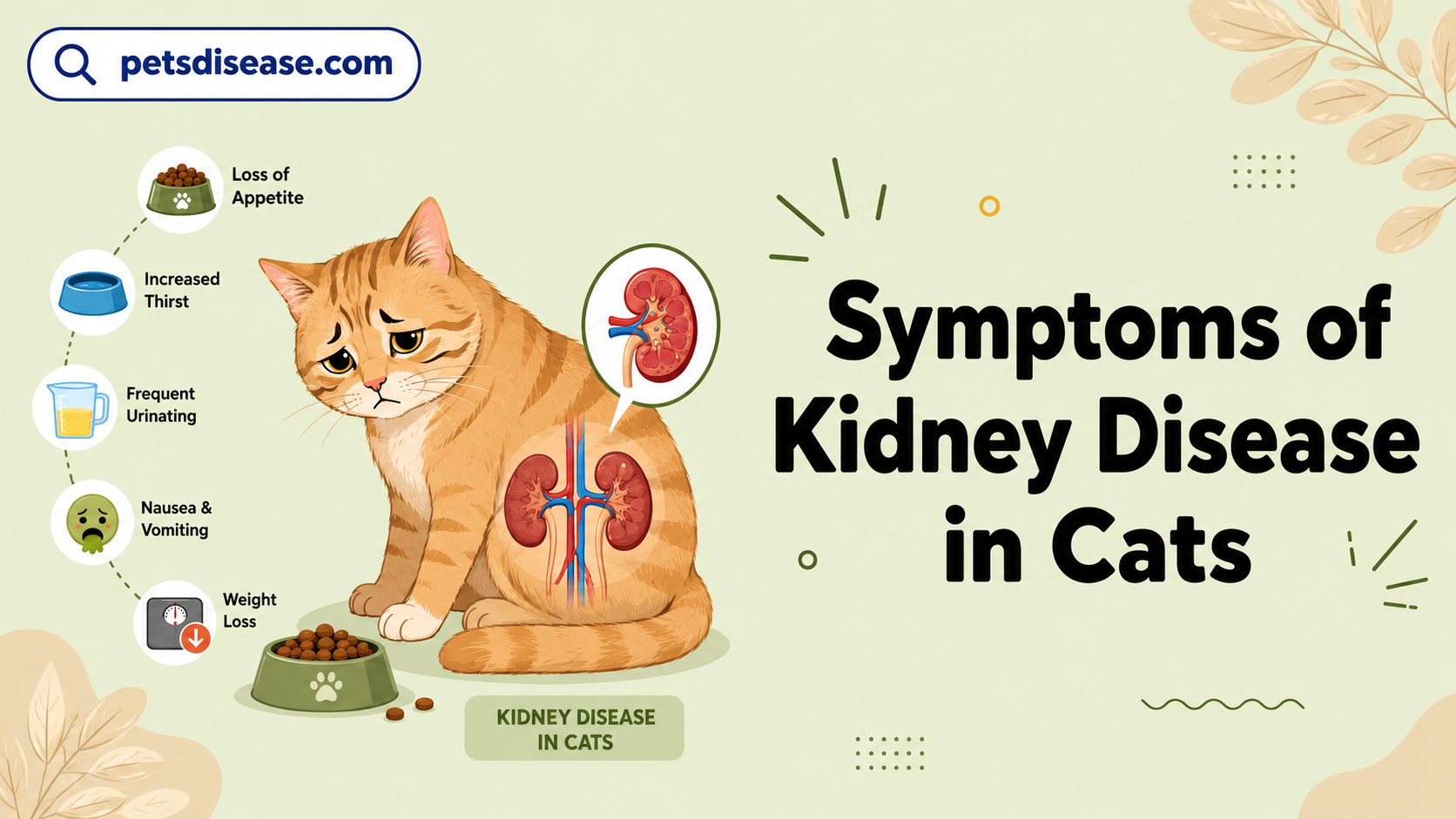
Kidney disease is a common health problem in cats, especially as they get older. However, it can affect cats of any age. The symptoms of kidney disease in cats often start slowly, so many pet owners do not notice them right away. For example, a cat may drink more water than usual or visit the litter box more often. Because early signs can be easy to miss, it is important to learn what changes to watch for.
As kidney disease gets worse, cats may show more noticeable symptoms. They may lose weight, eat less food, or seem tired most of the time. In addition, some cats may have bad breath, vomiting, or a dull-looking coat. Therefore, recognizing these warning signs early can help your cat get medical care sooner. Early treatment may also improve your cat’s comfort and quality of life.
In this guide, you will learn about the most common symptoms of kidney disease in cats and why they happen. You will also discover how veterinarians diagnose kidney problems and what treatments may help. Whether your cat is young or old, understanding the signs of kidney disease can help you make informed decisions and support your pet’s health for years to come.
Early Signs of Kidney Failure in Cats
Increased Thirst and Water Intake
One of the first changes many pet owners notice is that their cat starts drinking more water than usual. Healthy kidneys help control the body’s fluid balance. However, when the kidneys begin to lose function, they cannot conserve water properly. As a result, cats often feel thirsty and seek water more frequently. This change may happen slowly, so many owners overlook it at first.
In addition, increased water intake often comes with more trips to the litter box. Cats may produce larger amounts of urine because their kidneys cannot concentrate urine effectively. Therefore, pet owners may find themselves cleaning the litter box more often. Monitoring these habits can provide valuable clues about a cat’s health.
Many veterinarians consider increased thirst one of the earliest Symptoms of Kidney Disease in Cats. Although this sign alone does not confirm kidney problems, it should never be ignored. Early veterinary care can help identify underlying issues and improve long-term health outcomes.
Weight Loss and Reduced Appetite
Cats with developing kidney problems often lose weight gradually. This happens because the body struggles to remove waste products efficiently. Consequently, toxins may build up in the bloodstream and affect the cat’s appetite and digestion. Over time, even a small decrease in food intake can lead to noticeable weight loss.
🐾 Pets Disease Dashboard
Select an animal to see diseases & symptoms
Furthermore, cats may become picky eaters and leave food in their bowls. While some owners assume their pet is simply aging, ongoing appetite changes deserve attention. Regularly checking body weight can help detect problems before they become severe.
A reduced appetite can appear alongside other warning signs. Therefore, veterinarians recommend a medical evaluation whenever unexplained weight loss occurs. Early treatment may slow disease progression and support better quality of life.
Changes in Energy Levels
A healthy cat usually enjoys exploring, playing, and interacting with family members. However, kidney disease can cause fatigue and weakness. As waste products accumulate in the body, cats may feel less energetic and spend more time resting.
Moreover, decreased energy often develops gradually. Because the change happens slowly, many owners do not recognize it immediately. Nevertheless, paying attention to daily activity patterns can reveal important health concerns.
If a cat seems unusually tired for several weeks, veterinary attention is important. Identifying health problems during the early stages often provides more treatment options and better outcomes.
Comparison of Early Signs of Kidney Failure in Cats
| Sign | Description |
| Increased thirst | Drinks water more often |
| Frequent urination | Produces larger amounts of urine |
| Mild weight loss | Gradual reduction in body weight |
| Reduced appetite | Eats less food |
| Low energy | Sleeps more than usual |
| Poor coat quality | Fur appears dull |
| Mild dehydration | Dry gums and skin |
| Less interest in play | Reduced activity |
| Occasional vomiting | Digestive discomfort |
| Increased sleeping | Longer rest periods |
| Bad breath | Waste buildup may affect breath |
| Behavioral changes | Less social interaction |
Kidney Disease in Cats When to Euthanize
Understanding Quality of Life
Deciding when to euthanize a beloved pet is one of the most difficult choices any owner may face. Veterinarians often focus on the cat’s overall quality of life rather than a specific test result. A cat that still enjoys eating, interacting, and resting comfortably may continue to have meaningful days despite chronic illness.
However, advanced kidney disease can eventually reduce a cat’s ability to enjoy daily activities. Some cats stop eating, lose significant weight, and become increasingly weak. Consequently, owners may notice that their pet no longer participates in normal behaviors.
The decision should always involve a veterinarian who understands the cat’s medical history. Professional guidance helps families make informed and compassionate choices.
Signs That Suffering May Be Increasing
As kidney disease progresses, some cats experience severe discomfort. Persistent nausea, dehydration, and weakness can affect their daily lives. In addition, recurring medical crises may become more frequent despite treatment efforts.
Many families evaluate whether their cat still experiences more good days than bad days. If a pet consistently struggles with eating, moving, or resting comfortably, it may indicate declining well-being. Therefore, careful observation becomes essential.
Advanced Symptoms of Kidney Disease in Cats may include severe lethargy, ongoing vomiting, and refusal to eat. These signs often indicate that supportive treatments are becoming less effective.
Working With Your Veterinarian
Veterinarians use physical examinations, laboratory tests, and quality-of-life assessments to guide recommendations. They consider factors such as hydration status, pain levels, mobility, and appetite. As a result, each decision is personalized for the individual cat.
Family members should openly discuss concerns and goals with the veterinary team. Honest communication helps ensure the cat receives compassionate care throughout the process.
Although the decision is emotional, focusing on comfort and dignity can help owners make the best choice for their pet.
Comparison of Quality-of-Life Factors
| Factor | Better Condition | Poor Condition |
| Appetite | Eats regularly | Refuses food |
| Hydration | Maintains fluids | Severe dehydration |
| Activity | Moves normally | Extreme weakness |
| Comfort | Appears relaxed | Constant discomfort |
| Weight | Stable body weight | Significant loss |
| Mobility | Walks easily | Difficulty moving |
| Social interaction | Engages with family | Withdraws completely |
| Grooming | Maintains coat | Neglects grooming |
| Sleep | Normal rest | Excessive sleeping |
| Vomiting | Rare episodes | Frequent episodes |
| Breathing | Normal | Labored breathing |
| Happiness | Enjoys activities | No interest in surroundings |
What Are the Symptoms of a Cat Dying of Kidney Failure
Severe Loss of Appetite
Cats nearing the final stages of kidney failure often stop eating entirely. Their bodies struggle to process waste products, which can create persistent nausea. Consequently, food becomes less appealing, and weight loss accelerates.
In many cases, owners notice that favorite treats no longer attract interest. Even hand-feeding may not encourage eating. Therefore, severe appetite loss should be discussed with a veterinarian immediately.
Nutrition plays a major role in maintaining strength. Once eating stops completely, overall health can decline rapidly.
Extreme Weakness and Lethargy
Advanced kidney failure often causes profound weakness. Cats may spend most of the day sleeping and show little interest in their environment. Furthermore, walking, climbing, or standing may become difficult.
Because toxins affect multiple body systems, cats can appear mentally distant or confused. They may no longer respond to activities they once enjoyed. As a result, family members often notice dramatic personality changes.
Many terminal-stage cats require extensive supportive care. Veterinary guidance helps determine the most appropriate next steps.
Severe Dehydration and Organ Failure
In late-stage disease, the kidneys lose much of their ability to regulate fluids. Therefore, dehydration becomes severe even when water is available. Dry gums, sunken eyes, and poor skin elasticity may appear.
The most advanced Symptoms of Kidney Disease in Cats can include severe dehydration, weakness, and inability to eat. These signs often indicate that the body is struggling to maintain basic functions.
Immediate veterinary evaluation is essential whenever a cat shows these serious symptoms. Compassionate care can help reduce suffering and improve comfort.
Comparison of Advanced Kidney Failure Symptoms
| Symptom | Early Stage | End Stage |
| Appetite | Reduced | Completely absent |
| Weight | Mild loss | Severe loss |
| Activity | Lower energy | Extreme weakness |
| Hydration | Mild dehydration | Severe dehydration |
| Urination | Increased | May decrease |
| Vomiting | Occasional | Frequent |
| Breathing | Normal | May become abnormal |
| Awareness | Alert | Confused or withdrawn |
| Grooming | Less frequent | Stops completely |
| Mobility | Slower movement | Difficulty standing |
| Social behavior | Reduced interaction | Isolation |
| Comfort | Variable | Significant discomfort |
How to Diagnose Kidney Disease in Cats
Physical Examination
Veterinarians begin the diagnostic process with a thorough physical examination. They assess body weight, hydration levels, coat condition, and overall health. In addition, they ask questions about drinking habits, appetite, and behavior changes.
During the examination, the veterinarian may detect signs that suggest kidney dysfunction. Although physical findings alone cannot confirm a diagnosis, they provide important clues.
A complete health history helps guide additional testing and improves diagnostic accuracy.
Blood Testing
Blood tests play a central role in diagnosing kidney disease. These tests measure substances that healthy kidneys normally remove from the bloodstream. When kidney function declines, those substances increase.
Furthermore, blood work helps veterinarians determine the severity of the condition. Modern testing methods can often detect kidney problems earlier than traditional approaches.
Regular screening is especially valuable for senior cats because early disease may not produce obvious symptoms.
Urine Testing and Imaging
Urine analysis provides additional information about kidney function. Veterinarians evaluate urine concentration, protein levels, and other markers that help identify abnormalities. Consequently, urine testing often complements blood work.
Veterinary imaging such as ultrasound or X-rays may also be recommended. These tools allow doctors to examine kidney size, structure, and possible underlying causes.
Because Symptoms of Kidney Disease in Cats can resemble other illnesses, combining multiple diagnostic methods helps ensure an accurate diagnosis and effective treatment plan.
Comparison of Diagnostic Methods
| Diagnostic Method | Purpose |
| Physical exam | Evaluates overall health |
| Body weight check | Detects weight loss |
| Hydration assessment | Identifies dehydration |
| Blood chemistry test | Measures kidney function |
| SDMA test | Detects early kidney changes |
| Complete blood count | Evaluates overall health |
| Urinalysis | Examines urine quality |
| Urine protein test | Detects protein loss |
| Blood pressure test | Identifies hypertension |
| Ultrasound | Views kidney structure |
| X-rays | Detects abnormalities |
| Follow-up testing | Monitors disease progression |
Symptoms of Kidney Disease in Cats Vomiting
Why Vomiting Happens in Cats With Kidney Disease
Vomiting is one of the most common digestive problems seen in cats with kidney disease. When the kidneys do not remove waste products properly, toxins build up in the bloodstream. As a result, these toxins can irritate the stomach and cause nausea. Many cats begin vomiting occasionally at first, but the problem may become more frequent as the disease progresses.
In addition, kidney disease can affect a cat’s appetite and digestion. Cats may feel sick after eating or drinking, which can lead to repeated vomiting episodes. Therefore, pet owners should pay close attention to any unusual stomach problems. Early veterinary care may help reduce discomfort and improve the cat’s quality of life.
Many veterinarians consider vomiting an important warning sign because it often indicates that waste products are accumulating in the body. The Symptoms of Kidney Disease in Cats may vary from one cat to another, but persistent vomiting should never be ignored.
Types of Vomiting Seen in Kidney Disease
Cats with kidney problems may vomit food, water, foam, or stomach acid. Sometimes vomiting happens after meals, while other times it occurs without any clear trigger. Consequently, owners may notice changes in both appetite and eating habits.
Furthermore, some cats experience nausea before vomiting. They may drool, lick their lips, or hide from family members. These behaviors often indicate that the cat feels unwell even before vomiting occurs.
Because vomiting can also result from many other illnesses, veterinary testing is necessary. A proper diagnosis helps ensure the cat receives the right treatment and support.
Managing Vomiting in Cats
Treatment often focuses on reducing nausea and supporting kidney function. Veterinarians may recommend prescription diets, medications, and fluid therapy. As a result, many cats experience less stomach upset and improved comfort.
Owners should also monitor food intake carefully. Offering small meals throughout the day may help reduce digestive stress. Additionally, fresh water should always be available.
Prompt treatment is important because ongoing vomiting can lead to dehydration and weakness. Therefore, regular veterinary checkups play a key role in managing kidney disease.
Comparison of Vomiting Symptoms
| Symptom | Description |
| Occasional vomiting | Happens infrequently |
| Frequent vomiting | Occurs several times weekly |
| Vomiting after eating | Food comes back up |
| Foamy vomit | White or yellow foam |
| Nausea | Feeling sick before vomiting |
| Drooling | Excess saliva production |
| Lip licking | Sign of stomach discomfort |
| Appetite loss | Eats less food |
| Weight loss | Gradual body weight reduction |
| Dehydration | Loss of body fluids |
| Weakness | Reduced energy levels |
| Hiding behavior | Avoids interaction |
Symptoms of Kidney Disease in Cats Diarrhea
Can Kidney Disease Cause Diarrhea?
Although vomiting is more common, some cats with kidney disease also develop diarrhea. This can occur because waste products affect the digestive system and upset the balance of normal gut function. Consequently, bowel movements may become loose or more frequent than usual.
Diarrhea can also result from dietary changes, medications, or secondary health problems. Therefore, it is important not to assume that every digestive issue is directly caused by kidney disease. Veterinary evaluation helps identify the true cause.
When diarrhea continues for several days, it can worsen dehydration. Because cats with kidney disease already struggle with fluid balance, this issue deserves prompt attention.
Signs of Digestive Distress
Cats experiencing diarrhea may have soft stools, watery stools, or accidents outside the litter box. In addition, some cats show signs of abdominal discomfort or reduced appetite. These symptoms can affect their overall health and energy levels.
Furthermore, chronic diarrhea may interfere with nutrient absorption. As a result, cats may lose weight and become weaker over time. Monitoring stool quality can help owners identify health concerns early.
The Symptoms of Kidney Disease in Cats sometimes include digestive changes that affect both appetite and bowel function. Early recognition can help prevent complications.
Treatment and Support
Veterinarians often perform diagnostic tests to determine the cause of diarrhea. Blood work, urine tests, and stool examinations may be recommended. Consequently, treatment plans can be tailored to the cat’s specific needs.
Supportive care may include dietary adjustments, hydration therapy, and medications. These treatments often help improve digestive health and overall comfort.
Regular monitoring remains important because diarrhea can contribute to dehydration and nutritional deficiencies if left untreated.
Comparison of Diarrhea Symptoms
| Symptom | Description |
| Soft stool | Less formed bowel movements |
| Watery stool | Excess fluid in stool |
| Frequent bowel movements | More trips to litter box |
| Appetite reduction | Eats less food |
| Weight loss | Decreased body mass |
| Dehydration | Fluid loss from body |
| Weakness | Low energy levels |
| Abdominal discomfort | Stomach irritation |
| Litter box accidents | Misses litter box |
| Poor coat condition | Dull fur appearance |
| Increased thirst | Drinks more water |
| Fatigue | Sleeps more often |
Stages of Kidney Disease in Cats
Early Stage Kidney Disease
The earliest stage often develops without obvious symptoms. Many cats continue to behave normally even though kidney function has started to decline. Therefore, routine veterinary testing becomes very important for early detection.
Blood tests and urine analysis can identify subtle changes before major health problems appear. Consequently, treatment can begin earlier and may help slow disease progression.
Cats diagnosed during the early stage often have the best long-term outlook because intervention starts before severe damage occurs.
Moderate Stage Kidney Disease
As kidney disease progresses, symptoms become more noticeable. Cats may drink more water, urinate more frequently, and lose weight gradually. In addition, appetite changes and mild digestive problems may develop.
Owners often begin seeking veterinary advice during this stage because daily habits start changing. Therefore, monitoring body weight and eating patterns becomes especially important.
Treatment usually focuses on managing symptoms and preserving remaining kidney function for as long as possible.
Advanced Stage Kidney Disease
In advanced stages, kidney function becomes significantly reduced. Cats may experience severe weakness, dehydration, vomiting, and loss of appetite. As a result, quality of life may decline without medical support.
The Symptoms of Kidney Disease in Cats often become much more noticeable during this stage. Regular veterinary care helps manage discomfort and improve daily living.
Although advanced kidney disease cannot usually be cured, many supportive treatments can still help maintain comfort.
Comparison of Kidney Disease Stages
| Feature | Early Stage | Moderate Stage | Advanced Stage |
| Appetite | Normal | Reduced | Poor |
| Weight | Stable | Mild loss | Severe loss |
| Thirst | Slight increase | Increased | Very high |
| Urination | Mild increase | Frequent | Significant changes |
| Energy | Normal | Reduced | Very low |
| Vomiting | Rare | Occasional | Frequent |
| Dehydration | Minimal | Moderate | Severe |
| Blood values | Slight changes | Elevated | Very elevated |
| Coat quality | Normal | Dull | Poor |
| Activity | Normal | Less active | Weak |
| Comfort | Good | Fair | Poor |
| Veterinary care | Monitoring | Active treatment | Intensive support |
What Causes Kidney Disease in Cats
Aging and Natural Wear
Aging is one of the most common causes of kidney disease in cats. Over time, kidney tissue may gradually lose efficiency. Consequently, older cats face a higher risk of developing chronic kidney problems.
Not every senior cat develops kidney disease, but age remains a significant risk factor. Therefore, regular wellness exams become increasingly important as cats grow older.
Routine screening helps veterinarians detect problems before serious symptoms appear.
Infections and Toxins
Certain infections can damage kidney tissue and interfere with normal function. In addition, exposure to toxic substances may cause sudden kidney injury. Common dangers include poisonous plants, chemicals, and some medications.
Because toxins can cause severe damage quickly, immediate veterinary treatment is essential. Early intervention may prevent permanent kidney failure.
Pet owners should keep harmful substances out of reach and monitor their cats carefully.
Genetic and Health Factors
Some cats inherit a greater risk of kidney disease due to genetic factors. Furthermore, high blood pressure and other medical conditions may contribute to kidney damage over time.
The Symptoms of Kidney Disease in Cats often appear after significant kidney function has already been lost. Therefore, preventive healthcare plays a major role in protecting long-term health.
Understanding risk factors allows owners to work closely with veterinarians and support early detection.
Comparison of Causes of Kidney Disease
| Cause | Description |
| Aging | Natural decline in kidney function |
| Genetics | Inherited predisposition |
| Infections | Damage from disease organisms |
| Toxins | Exposure to harmful substances |
| High blood pressure | Increased strain on kidneys |
| Dental disease | Chronic inflammation |
| Dehydration | Reduced kidney blood flow |
| Medications | Certain drugs may affect kidneys |
| Urinary blockages | Interfere with urine flow |
| Kidney stones | Cause damage and irritation |
| Autoimmune disorders | Immune system attacks tissues |
| Trauma | Physical injury to kidneys |
How Kidney Disease Affects a Cat’s Body
Impact on Waste Removal
Healthy kidneys remove waste products from the bloodstream. However, damaged kidneys cannot perform this task effectively. As a result, toxins accumulate and affect many body systems.
These waste products may cause nausea, weakness, and poor appetite. Consequently, cats often feel less energetic and less interested in daily activities.
Maintaining kidney health is important because the kidneys support many essential functions.
Effects on Hydration
Kidneys help regulate water balance throughout the body. When kidney function declines, cats lose more water through urine. Therefore, dehydration becomes a common problem.
Dehydration can affect circulation, digestion, and overall well-being. In addition, it may worsen existing kidney damage.
Veterinarians often recommend increased hydration as part of a treatment plan.
Impact on Overall Health
The Symptoms of Kidney Disease in Cats can affect nearly every part of the body. Appetite, energy, weight, and digestion may all change as the disease progresses.
Furthermore, chronic kidney disease can influence blood pressure and red blood cell production. These effects contribute to weakness and fatigue.
Early diagnosis and treatment help reduce complications and improve quality of life.
Comparison of Body Systems Affected
| Body System | Effect |
| Digestive system | Nausea and vomiting |
| Urinary system | Increased urination |
| Circulatory system | Blood pressure changes |
| Nervous system | Weakness and fatigue |
| Immune system | Reduced resistance |
| Muscles | Loss of strength |
| Skin and coat | Poor appearance |
| Mouth | Bad breath |
| Appetite control | Reduced hunger |
| Hydration balance | Dehydration |
| Blood production | Anemia risk |
| Overall health | Reduced quality of life |
Warning Signs Your Cat May Have Kidney Problems
Physical Changes
Cats often show physical changes when kidney function declines. Weight loss, poor coat condition, and increased thirst are common examples. Therefore, routine observation can help identify concerns early.
Small changes may seem unimportant at first. However, they can signal developing health problems.
Early veterinary attention improves the chances of successful management.
Behavioral Changes
Some cats become less active and spend more time sleeping. In addition, they may avoid social interaction or stop participating in favorite activities.
Behavioral changes often occur gradually. Consequently, owners may not recognize them immediately.
Tracking daily habits can help reveal important health patterns.
Digestive Changes
The Symptoms of Kidney Disease in Cats frequently include digestive issues such as appetite loss, nausea, and occasional vomiting. These problems often develop because toxins affect the stomach and digestive tract.
Prompt evaluation helps determine the cause and allows treatment to begin sooner.
Comparison of Warning Signs
| Warning Sign | Description |
| Weight loss | Decreasing body weight |
| Increased thirst | Drinking more water |
| Frequent urination | Larger urine volume |
| Appetite loss | Reduced food intake |
| Vomiting | Digestive upset |
| Weakness | Lower energy |
| Dull coat | Poor fur quality |
| Bad breath | Unpleasant odor |
| Hiding | Less social behavior |
| Sleeping more | Increased rest |
| Dehydration | Fluid imbalance |
| Mood changes | Different personality |
Changes in Drinking Habits Linked to Kidney Disease
Increased Water Consumption
One of the earliest signs of kidney disease is increased water intake. Cats drink more because their kidneys cannot conserve fluids effectively. As a result, thirst becomes more noticeable.
Owners may find themselves refilling water bowls more frequently. Therefore, monitoring water consumption is important.
Changes in drinking habits often appear before other symptoms.
Frequent Urination
As water intake rises, urine production also increases. Consequently, cats visit the litter box more often and produce larger amounts of urine.
This change may happen gradually, making it easy to overlook. However, it remains an important warning sign.
Veterinary testing can determine whether kidney disease is responsible.
Why Monitoring Matters
The Symptoms of Kidney Disease in Cats often begin with subtle changes in drinking and urination. Early recognition allows treatment to start sooner and may improve long-term outcomes.
Regular health checks, combined with careful observation at home, provide the best opportunity for early diagnosis.
Comparison of Drinking Habit Changes
| Change | Description |
| Increased thirst | Drinks more water |
| Larger urine volume | Produces more urine |
| Frequent litter box visits | Urinates often |
| Nighttime drinking | Drinks during the night |
| Empty water bowls | Water disappears quickly |
| Mild dehydration | Despite drinking more |
| Increased bathroom accidents | Misses litter box |
| Weight loss | Common companion symptom |
| Reduced appetite | Eats less food |
| Fatigue | Lower activity level |
| Dry gums | Sign of dehydration |
| Progressive changes | Symptoms worsen over time |
Conclusion About Symptoms of Kidney Disease in Cats
Understanding the Symptoms of Kidney Disease in Cats can help pet owners recognize health problems before they become severe. Although kidney disease is common, especially in older cats, early detection often makes a significant difference in treatment and quality of life. Signs such as increased thirst, frequent urination, weight loss, vomiting, diarrhea, and low energy should never be ignored. Instead, they should encourage a timely visit to the veterinarian.
Moreover, regular wellness exams, proper nutrition, and close observation of daily habits can support better kidney health. Because many symptoms develop gradually, paying attention to small changes is often the key to early diagnosis. While kidney disease cannot always be cured, many cats can live comfortable and happy lives with the right care and management. By staying informed and proactive, you can help your feline companion receive the support they need and enjoy a better quality of life for years to come.
FAQs
What are the first signs of kidney disease in cats?
The earliest signs often include increased thirst, frequent urination, mild weight loss, and reduced appetite. Many cats also become less active than usual. Because these symptoms can develop slowly, regular veterinary checkups are important for early detection and treatment.
Can a cat live a long life with kidney disease?
Yes, many cats live for years after diagnosis when they receive proper treatment and monitoring. A kidney-friendly diet, medications, fluid therapy, and regular veterinary visits can help slow disease progression and improve overall quality of life.
Why do cats with kidney disease drink more water?
Damaged kidneys cannot conserve water effectively. As a result, cats lose more fluid through urine and become thirstier. Increased water intake helps the body replace lost fluids, which is why excessive drinking is a common symptom.
Does kidney disease cause vomiting in cats?
Yes, kidney disease can cause vomiting because waste products build up in the bloodstream and irritate the digestive system. This buildup often leads to nausea, stomach discomfort, and occasional or frequent vomiting episodes.
Can kidney disease cause diarrhea in cats?
Some cats with kidney disease experience diarrhea, although it is less common than vomiting. Digestive upset, dietary changes, medications, or related health conditions may contribute to loose stools and bowel irregularities.
How do veterinarians diagnose kidney disease in cats?
Veterinarians usually diagnose kidney disease through blood tests, urine analysis, physical examinations, and sometimes imaging tests such as ultrasounds or X-rays. These tests help evaluate kidney function and determine the severity of the condition.
What causes kidney disease in cats?
Common causes include aging, genetic factors, infections, high blood pressure, toxin exposure, and certain underlying health conditions. In many older cats, chronic kidney disease develops gradually as kidney function declines over time.
Is kidney disease painful for cats?
Kidney disease itself may not always cause pain, but it can lead to discomfort from dehydration, nausea, weakness, and related complications. Proper treatment and supportive care can help improve a cat’s comfort and well-being.
What foods are best for cats with kidney disease?
Veterinarians often recommend specially formulated kidney-support diets. These diets usually contain controlled levels of protein, phosphorus, and sodium while providing essential nutrients that support kidney health and overall wellness.
When should I take my cat to the veterinarian?
You should contact a veterinarian if your cat drinks more water than usual, urinates frequently, loses weight, vomits regularly, has diarrhea, or shows unusual tiredness. Early evaluation can improve treatment options and health outcomes.