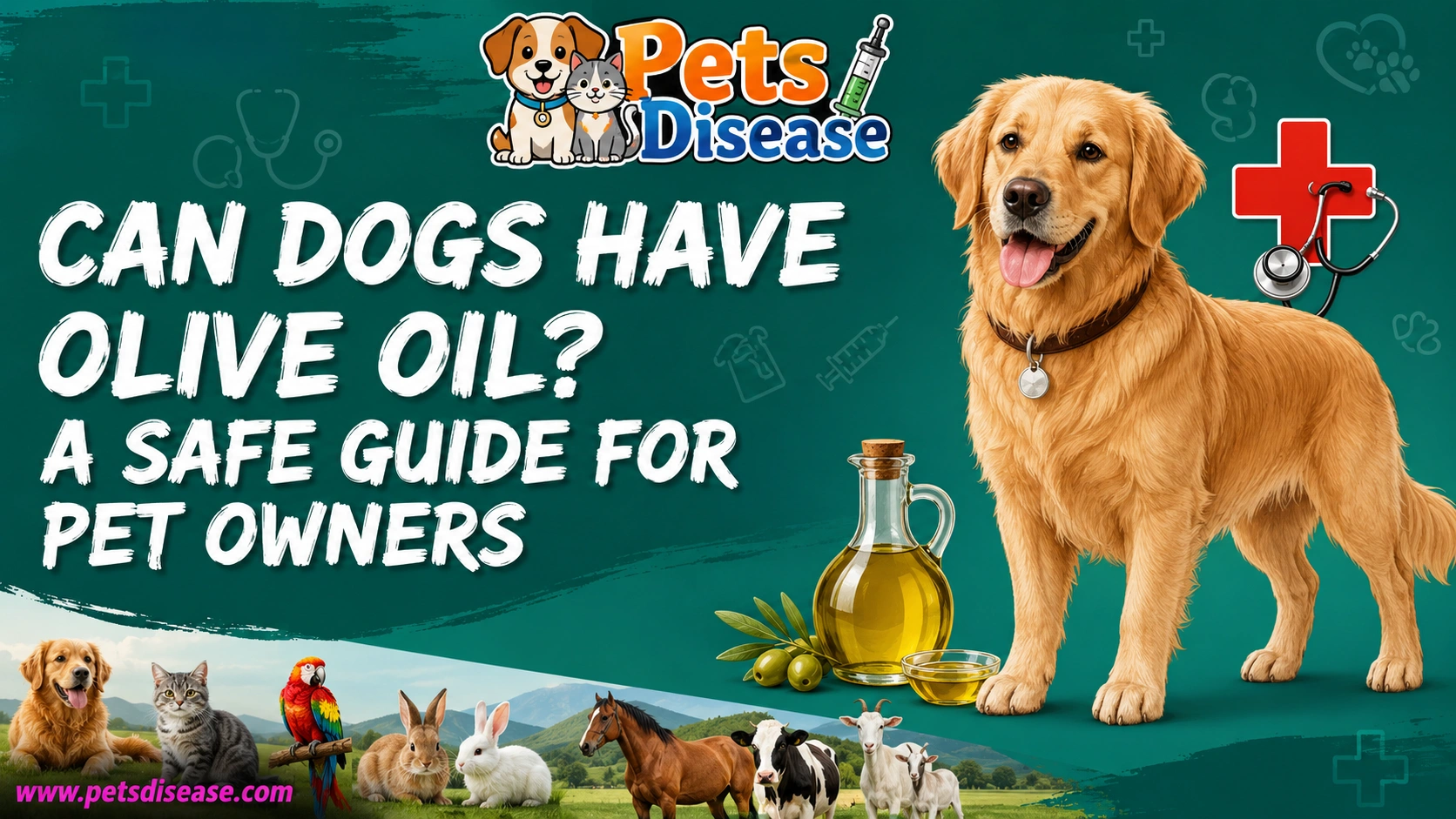
Yes, dogs can have small amounts of plain olive oil, including extra virgin olive oil, but it should not be treated as a necessary supplement. Olive oil is high in fat and calories, so too much may cause stomach upset, loose stools, weight gain, or other problems in dogs that need a low-fat diet. A healthy dog eating a complete and balanced food usually does not need extra oil.
If you want to add olive oil to your dog’s food, the safest approach is to use a very small amount and watch how your dog responds. Dogs with pancreatitis, a history of fat intolerance, obesity, or certain digestive problems should not receive extra dietary fat unless their veterinarian recommends it.
Can Dogs Have Olive Oil Safely?
Is olive oil toxic to dogs?
Plain olive oil is not considered toxic to dogs. A dog that licks a small amount from a plate or eats a little mixed into food will usually not develop poisoning from the oil itself.
The bigger concern is quantity. Olive oil is almost entirely fat, and adding large amounts can provide more calories than your dog needs. It may also upset the digestive tract. The fact that a food is safe does not mean that unlimited amounts are appropriate.
For example, if your dog accidentally licks a teaspoon of olive oil from the kitchen floor, that is very different from deliberately adding several tablespoons to its dinner every day.
What kind of olive oil is best?
If you choose to give olive oil, plain extra virgin olive oil is a reasonable option because it does not require added flavorings or seasonings.
Avoid flavored oils or oils mixed with ingredients that may be unsafe for dogs. Garlic, onions, certain spices, and other ingredients commonly used in flavored foods can create separate health risks.
Your dog’s regular food should remain the nutritional foundation of the diet. Olive oil should never replace a balanced source of protein, vitamins, minerals, essential fatty acids, and other nutrients.
Can Dogs Have Extra Virgin Olive Oil?
Is extra virgin olive oil better for dogs?
Yes, dogs can consume a small amount of extra virgin olive oil, provided they tolerate it and their veterinarian has not recommended a restricted-fat diet.
However, extra virgin olive oil is not a special treatment for dogs. People sometimes assume that because extra virgin olive oil is considered a healthy human food, adding more must automatically make a dog’s diet healthier. That does not necessarily follow.
Dogs have different nutritional requirements from humans. Veterinary nutrition guidance emphasizes that changing a dog’s diet with human oils can create an unbalanced diet if owners use those oils as substitutes for nutrients the animal actually needs.
Can puppies have extra virgin olive oil?
A healthy puppy generally does not need added olive oil. Puppies have specific energy and nutrient requirements because they are growing rapidly.
Instead of adding oil, provide a complete puppy diet appropriate for the puppy’s size and life stage. Large-breed puppies especially benefit from carefully controlled nutrition because excessive calories and inappropriate mineral intake can interfere with healthy growth.
If a puppy has dry skin, constipation, poor appetite, or another problem, treat the underlying issue rather than assuming olive oil is the answer.
Can I Give My Dog Olive Oil Everyday?
Is daily olive oil necessary?
For most dogs, no. There is no general need to add olive oil to every meal when the dog already eats a complete and balanced diet.
A small amount may fit into some dogs’ diets, but daily use should be considered in the context of total calories and fat intake. Treats, table scraps, oils, and other extras all contribute to the dog’s overall diet.
If you are considering daily olive oil because your dog has dry skin or a dull coat, speak with your veterinarian before making it a routine supplement. The cause could be related to nutrition, allergies, parasites, skin disease, or another condition.
What if my dog likes the taste?
Some dogs enjoy the taste of olive oil, especially when it is mixed into their normal food. That does not mean they need it.
Think of olive oil as an optional food ingredient rather than a required nutritional supplement. If your dog’s regular food already meets its nutritional needs, adding more fat may simply increase calorie intake.
This matters particularly for dogs that are overweight. Even a seemingly small addition can become significant when repeated every day.
Can I Give My Dog Olive Oil for Constipation?
Does olive oil work as a dog constipation remedy?
Olive oil is commonly suggested as a home remedy for constipation, but it should not be your first response to a dog that is struggling to pass stool.
Constipation can happen for several reasons. Dogs may become constipated because they are not drinking enough water, have eaten bones or other indigestible material, are reluctant to defecate, or have an underlying medical problem. More serious causes can include intestinal obstruction or problems affecting the nerves and muscles of the colon.
Because the cause matters, simply giving oil may delay appropriate treatment.
What should I do if my dog is constipated?
First, make sure your dog has access to fresh water and observe whether it can pass stool normally.
Pay attention to signs such as:
- Repeated straining without producing stool
- Very hard or dry stool
- Crying or obvious discomfort while trying to defecate
- Vomiting
- Loss of appetite
- Lethargy
- Abdominal discomfort
- A swollen or painful abdomen
Mild constipation can sometimes improve with hydration and appropriate dietary changes, but recurrent or severe constipation needs veterinary assessment. Merck Veterinary Manual notes that treatment may involve dietary changes, appropriate laxatives, enemas, or removal of retained feces depending on the cause and severity.
Do not give human laxatives or enemas unless a veterinarian specifically tells you to use a particular product and dose.
Benefits of Olive Oil for Dogs
Does olive oil provide useful nutrients?
Olive oil contains fat, and dietary fat provides concentrated energy. Dogs do need dietary fats, along with appropriate fatty acids, as part of a balanced diet.
However, this does not mean that extra olive oil automatically improves a dog’s health. A properly formulated dog food should already provide the nutrients required for the dog’s life stage.
Olive oil can therefore be viewed as an optional calorie-dense ingredient rather than a nutritional necessity.
Can olive oil help a dog’s skin and coat?
You may see claims that olive oil makes a dog’s coat shiny or cures dry skin. These claims should be treated carefully.
Dietary fat is relevant to skin and coat health, but skin problems can have many causes. Allergies, parasites, infections, nutritional deficiencies, and other medical conditions can all affect the skin.
If your dog has persistent itching, hair loss, redness, flakes, sores, or recurrent ear problems, adding oil is not a substitute for finding the cause.
A veterinarian can determine whether the problem is nutritional or requires another type of treatment.
Can olive oil support a dog’s overall health?
Olive oil can contribute dietary fat, but the evidence does not justify presenting it as a cure-all for dogs.
Your dog’s overall health depends much more on an appropriate complete diet, healthy body weight, regular exercise, preventive veterinary care, parasite control, dental care, and treatment of medical problems.
That is why adding an ingredient should always be considered within the dog’s complete diet rather than viewed in isolation.
How Much Olive Oil Can Dogs Have?
Is there one safe dose for every dog?
No. A single amount cannot be safely applied to every dog.
A Chihuahua, Labrador Retriever, and Great Dane have very different calorie requirements. Their normal food intake, body condition, activity level, age, and health status also differ.
The amount of olive oil that may fit into one dog’s diet could be excessive for another.
For that reason, it is better not to follow generic internet tablespoons-per-day recommendations without considering the individual dog.
How should you introduce olive oil?
If your veterinarian agrees that adding olive oil is appropriate, start with a very small quantity mixed into the dog’s normal food.
Then monitor your dog for changes in:
- Stool consistency
- Vomiting
- Gas
- Appetite
- Abdominal discomfort
- Body weight
If the dog develops digestive problems after adding the oil, stop giving it and contact your veterinarian if symptoms are significant or persistent.
Introducing any new food gradually is generally preferable to suddenly giving a large quantity. The American Kennel Club also recommends introducing human foods in small amounts and monitoring how an individual dog responds.
When Should Dogs Avoid Olive Oil?
Dogs with pancreatitis
Dogs with pancreatitis often require careful control of dietary fat. Fat requires pancreatic secretions for digestion, and veterinary therapeutic diets for pancreatitis are commonly designed to be low in fat.
For this reason, do not add olive oil to a dog recovering from pancreatitis unless the veterinarian managing the case specifically approves it.
Overweight dogs
Olive oil is calorie-dense. Adding it to meals can make it harder to control calorie intake.
If your dog is overweight, the better strategy is to work with your veterinarian on total daily calories, appropriate portions, treats, exercise, and the dog’s overall diet.
Dogs with sensitive stomachs
Some dogs tolerate dietary changes poorly. Adding extra fat may contribute to loose stool, vomiting, or other digestive symptoms in an individual dog.
If your dog already has recurring diarrhea, vomiting, or abdominal discomfort, adding oil may make it harder to determine what is causing the problem.
Dogs on therapeutic diets
Some dogs need prescription diets because of kidney disease, gastrointestinal disease, urinary problems, food sensitivities, pancreatitis, or other medical conditions.
In these cases, adding human foods or oils can alter the nutritional profile of the diet. Ask your veterinarian before adding olive oil.
What Happens If a Dog Eats Too Much Olive Oil?
Mild digestive problems
A large amount of olive oil can overwhelm a dog’s normal diet and may cause digestive upset.
Possible signs include loose stool, diarrhea, vomiting, gas, or abdominal discomfort.
The exact response varies between dogs. One dog may show no obvious problem after consuming extra oil, while another may develop diarrhea after a relatively small amount.
When should you contact a veterinarian?
Contact your veterinarian if your dog consumes a large amount or develops concerning symptoms.
Seek prompt veterinary care if there is repeated vomiting, severe abdominal pain, marked weakness, collapse, difficulty breathing, persistent diarrhea, or other signs that your dog is seriously unwell.
Do not assume that digestive symptoms are simply from the oil. Gastrointestinal signs can occur with many different illnesses, including intestinal obstruction and other conditions that require treatment.
Olive Oil vs Other Oils for Dogs
Is olive oil the best oil for dogs?
There is no universal “best oil” for every dog.
Different oils contain different fatty acids, and their nutritional value depends on the rest of the diet. For example, veterinary nutrition guidance commonly discusses sources of omega-6 and omega-3 fatty acids when evaluating a dog’s dietary fat intake.
If your goal is to supplement a specific fatty acid, your veterinarian may recommend a product designed for dogs rather than choosing an oil based on its reputation as a human health food.
| Oil or fat | Main consideration for dogs | Should you add it routinely? |
|---|---|---|
| Olive oil | Concentrated dietary fat and calories | Usually not necessary |
| Fish oil | Provides specific omega-3 fatty acids | Ask your veterinarian about product and dose |
| Coconut oil | High in saturated fat and calories | Not routinely needed |
| Butter | Very calorie-dense and high in saturated fat | Generally avoid as a routine addition |
| Flavored oils | May contain additional ingredients | Avoid unless ingredients are confirmed safe |
The key point is that an oil should have a specific nutritional purpose rather than simply being added because it is considered healthy for people.
How to Give Olive Oil to a Dog Safely
Mix it with regular food
If your veterinarian approves olive oil, mixing a small amount into the dog’s normal meal is generally more practical than giving it directly.
This also makes it easier to keep track of how much your dog receives.
Avoid seasoned foods
Do not give your dog leftover human dishes simply because they contain olive oil. A pasta dish, salad dressing, marinade, or cooked meal may contain salt, garlic, onion, spices, or other ingredients that are inappropriate for dogs.
The safest option is plain olive oil without potentially harmful additions.
Keep portions controlled
Measure the oil rather than pouring it freely over the food.
This is especially useful when several family members feed the dog. Without measuring, the dog may receive multiple servings from different people during the same day.
Can Dogs Eat Olives Too?
What is different about olives?
Olives themselves are different from olive oil because they contain additional components, including water, fiber, and salt depending on how they are prepared.
Plain, pitted olives can be safe for dogs in small quantities. However, canned or pickled olives may contain substantial sodium, and olive pits can pose choking or intestinal obstruction risks.
If you give olives as an occasional treat, choose plain, pitted pieces and avoid versions containing garlic, heavy seasoning, or other questionable ingredients.
What if my dog swallowed an olive pit?
An olive pit can present a choking or gastrointestinal obstruction risk. It can also damage a tooth if the dog chews it.
If your dog swallowed a pit, especially a large one or several pits, contact your veterinarian for advice rather than waiting for symptoms to develop.
Is Olive Oil Better Than a Dog Supplement?
Choose the supplement based on the goal
If your goal is to improve your dog’s skin, coat, digestion, or fatty acid intake, first identify what you are actually trying to achieve.
For example, a dog with itchy skin may need an examination for allergies or parasites. A dog with constipation may need hydration, dietary fiber, or treatment for an underlying obstruction. A dog with a medical condition may need a therapeutic diet.
Simply adding olive oil does not address these different causes.
Complete food comes first
A balanced commercial dog food is formulated to provide the nutrients a dog needs. Adding multiple human foods and supplements can gradually change the calorie and nutrient balance.
This is particularly important when owners prepare homemade diets. Veterinary nutrition sources warn that simply adding human ingredients such as olive oil does not guarantee that a homemade diet meets canine nutritional requirements.
Common Mistakes Owners Make With Olive Oil
Giving too much because it is “healthy”
One of the most common mistakes is assuming that more of a healthy ingredient is always better.
Olive oil is still fat. A large quantity can add considerable calories without providing the balanced nutrition found in complete dog food.
Using it as a constipation cure
Constipation can have a simple cause, but it can also indicate obstruction or another medical problem.
If a dog repeatedly strains without producing stool, do not keep increasing the amount of olive oil at home.
Ignoring the rest of the diet
Adding oil while continuing to provide high-calorie treats and table scraps can contribute to excessive calorie intake.
Look at the dog’s entire daily diet instead of focusing on one ingredient.
Assuming human nutrition advice applies to dogs
Olive oil has an established place in many human diets, but dogs have different nutritional requirements.
A food can be nutritious for people without being necessary for dogs.
Practical Examples: When Olive Oil Makes Sense
A healthy adult dog
Imagine a healthy adult dog eating a complete commercial diet with a normal body condition. The owner wants to add olive oil because a friend said it is good for dogs.
There may be no nutritional reason to do so. Keeping the existing balanced diet may be the better choice.
A dog with pancreatitis
Another dog recently had pancreatitis and is now eating a veterinarian-recommended low-fat diet.
Adding olive oil without veterinary approval would be a poor choice because the oil increases dietary fat. The priority should be following the prescribed nutritional plan.
A dog with constipation
A third dog is repeatedly straining and has not passed stool normally.
Instead of immediately giving olive oil, the owner should consider whether the dog could have eaten bones or another indigestible object and should contact a veterinarian if the problem is persistent or accompanied by vomiting, pain, lethargy, or appetite loss. Constipation can sometimes involve obstruction or other underlying problems.
Frequently Asked Questions About Olive Oil for Dogs
Can dogs have olive oil every day?
Some healthy dogs may tolerate a small amount, but daily olive oil is not necessary for most dogs eating a complete and balanced diet. Because it adds fat and calories, routine use should be discussed with your veterinarian if you plan to make it part of the diet.
Can dogs have extra virgin olive oil?
Yes. Plain extra virgin olive oil can be consumed by dogs in small amounts. However, it is not an essential supplement, and too much can contribute to excess calories or digestive upset.
Can I give my dog olive oil for constipation?
Olive oil should not be relied upon as a treatment for constipation. Constipation can have several causes, including dehydration, dietary problems, obstruction, and medical disease. Persistent straining or other symptoms should be evaluated by a veterinarian.
Does olive oil help dogs poop?
There is not a good reason to assume olive oil will safely solve constipation in every dog. A veterinarian should determine why the dog is constipated before treatment is chosen.
Can olive oil help a dog’s dry skin?
Dietary fat can be relevant to skin health, but dry or itchy skin can have many causes. Olive oil should not replace diagnosis and treatment for allergies, parasites, infections, or other skin conditions.
Can puppies have olive oil?
Healthy puppies generally do not need added olive oil. Their nutritional needs are especially specific during growth, so their main food should be a complete puppy diet appropriate for their life stage.
Can dogs with pancreatitis have olive oil?
Dogs with pancreatitis often need careful fat control. Do not add olive oil to their diet unless the veterinarian managing the dog specifically recommends it.
What happens if my dog drinks olive oil?
A small accidental amount may cause no obvious problem, but larger amounts can cause gastrointestinal upset. Monitor your dog and contact a veterinarian if a large amount was consumed or concerning symptoms appear.
Is olive oil better than coconut oil for dogs?
Neither should automatically be added to every dog’s diet. The appropriate fat source depends on the dog’s nutritional needs, health, total diet, and the specific fatty acids being targeted.
Can dogs eat olives with olive oil?
Plain, pitted olives may be acceptable in small quantities, but avoid olives containing garlic, excessive salt, alcohol, or problematic seasonings. Olive pits can create choking and obstruction hazards.
Should I put olive oil directly on my dog’s skin?
It is generally better not to use kitchen oils as a treatment for unexplained skin problems. Dogs may lick the oil, and persistent skin disease needs an appropriate diagnosis rather than simply adding a topical oil.
Can olive oil cause diarrhea in dogs?
Yes, a dog may develop loose stool or diarrhea after consuming too much dietary fat or after a sudden dietary change. If diarrhea is severe, persistent, or accompanied by vomiting, pain, weakness, or other concerning signs, contact a veterinarian.
The Bottom Line
Dogs can have small amounts of plain olive oil, but most healthy dogs do not need it as a daily supplement. The main concern is not toxicity from plain olive oil; it is the extra fat, calories, and possibility of digestive upset.
If you want to use olive oil, keep the amount small, avoid seasoned or flavored products, and consider your dog’s complete diet. Dogs with pancreatitis, obesity, recurring digestive problems, therapeutic diets, or unexplained constipation need more individualized advice.
For constipation in particular, do not keep increasing olive oil when a dog is repeatedly straining or unable to pass stool. Constipation can sometimes be linked to obstruction or another medical condition, so identifying the cause is more important than trying another home remedy.