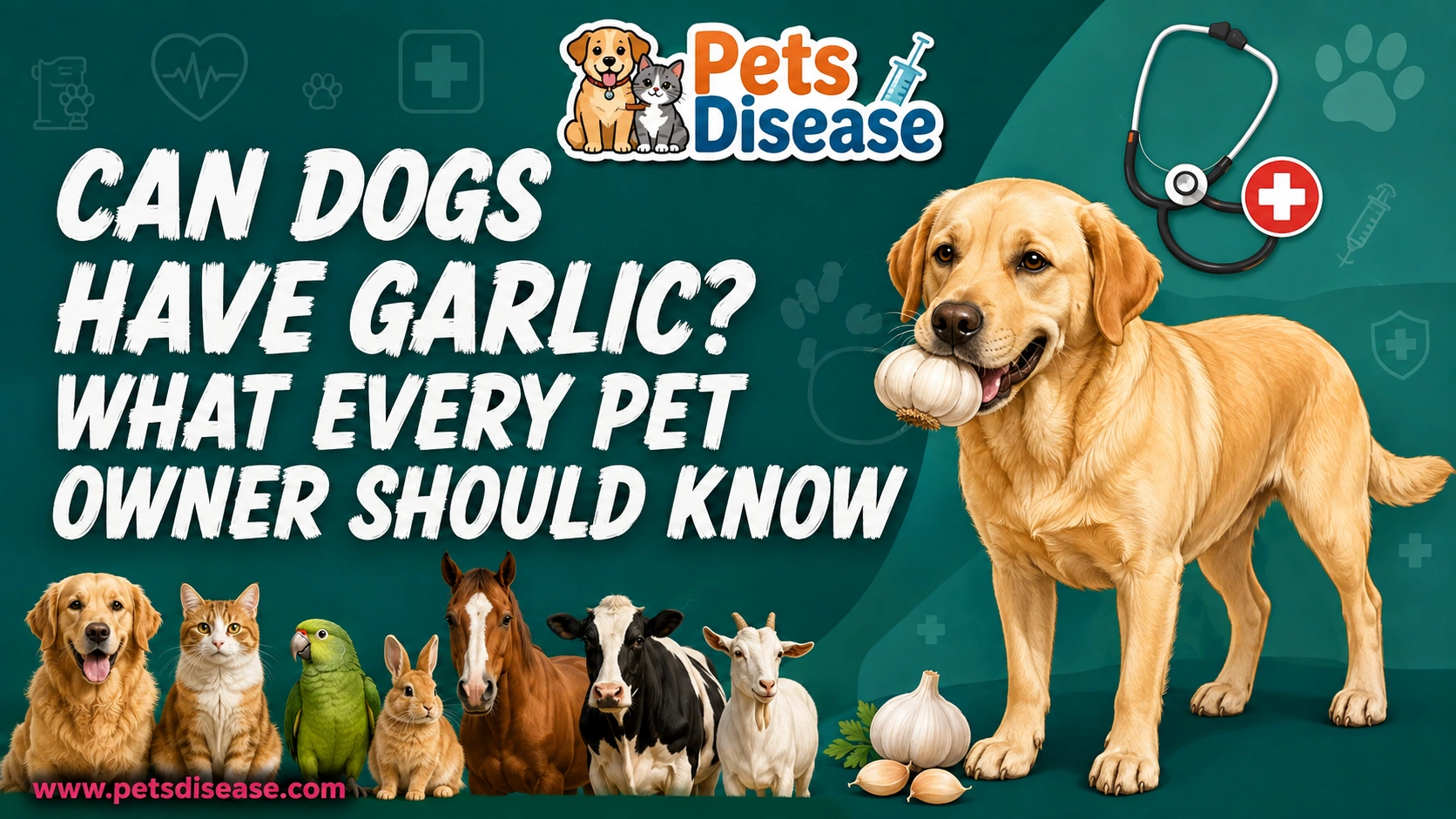
No, dogs should not eat garlic. Garlic belongs to the Allium family, along with onions, leeks, and chives. These foods contain compounds that can damage a dog’s red blood cells and may cause hemolytic anemia. Garlic can be harmful when eaten raw, cooked, dried, powdered, or in concentrated forms.
The risk depends on factors such as the amount eaten, the dog’s size, and the form of garlic. A tiny accidental taste does not automatically mean a dog will become seriously ill, but garlic should never be deliberately added to a dog’s food. Concentrated garlic products deserve particular caution because they can deliver more of the active compounds in a smaller amount.
If your dog has eaten garlic, do not panic or try random home remedies. Find out how much was eaten, what type of garlic product was involved, and when it happened. Then contact your veterinarian for advice, especially if the amount was significant or your dog is showing symptoms.
Why Is Garlic Dangerous for Dogs?
Garlic contains sulfur-containing compounds that can cause oxidative damage to red blood cells. When enough damage occurs, the cells can break down faster than the body can replace them. This can result in hemolytic anemia.
Garlic is also associated with gastrointestinal irritation. Affected dogs may develop vomiting, diarrhea, reduced appetite, or abdominal discomfort. More serious cases can involve weakness, pale gums, increased heart rate, panting, or blood in the urine.
One reason garlic exposure can be confusing for owners is that serious signs may not appear immediately. Changes to red blood cells can begin before obvious illness develops. Clinical signs of anemia may take several days to become noticeable after exposure.
Can Dogs Have Garlic in Small Amounts?
There is no good reason to intentionally give garlic to a dog. The safest approach is to avoid it rather than trying to calculate a supposedly safe serving at home.
A small accidental exposure is different from eating a large quantity. Veterinarians consider the dog’s body weight, amount eaten, form of garlic, and other circumstances when assessing risk. Merck Veterinary Manual notes that concentrated forms such as dehydrated or powdered Allium products are particularly important exposures to consider.
For example, finding that your dog licked a plate containing a little garlic seasoning is not the same situation as finding an empty container of garlic powder. The second situation warrants prompt veterinary advice because the exposure may be much more concentrated.
Can Dogs Have Garlic Powder?
No. Garlic powder should not be given to dogs.
Garlic powder is a concentrated form of garlic, so a small-looking amount can represent more garlic material than the same volume of fresh garlic. Veterinary references specifically identify dehydrated, powdered, and granulated Allium products as important sources of poisoning.
Garlic powder can also be hidden in foods that owners do not immediately recognize as risky. Seasoned meat, gravy, soup mixes, sauces, marinades, snack foods, and prepared meals may contain garlic or onion powder.
Why Garlic Powder Can Be Easy to Miss
Imagine preparing chicken for your dog and sprinkling a commercial seasoning blend over it. The dog may not receive a visible garlic clove, but the seasoning can still contain garlic powder.
This is why checking ingredient labels matters. If a food contains garlic, onion, chives, leeks, or concentrated Allium ingredients, it is better not to share that food with your dog.
Can Dogs Have Garlic Oil?
Garlic oil should not be intentionally given to dogs.
The word “oil” can make a product sound different from garlic itself, but products containing garlic or garlic-derived ingredients can still present a concern. The actual risk depends on the product’s formulation and concentration.
Garlic-infused foods can also contain other ingredients that are unsuitable for dogs. For example, a garlic oil used in cooking may accompany fatty foods that can cause digestive problems or contribute to pancreatitis in susceptible dogs.
If your dog has swallowed a garlic-containing oil or supplement, keep the bottle or package available when speaking with your veterinarian. The ingredient list can help the veterinary team determine the appropriate response.
Can Dogs Have Garlic Bread?
Garlic bread is not a suitable treat for dogs.
The garlic is one concern, but garlic bread may also contain butter, oil, salt, cheese, or other ingredients. Depending on the recipe, it can therefore create several dietary problems at the same time.
What to Do if Your Dog Eats Garlic Bread
If your dog steals a small piece of garlic bread, determine what was in it and approximately how much was eaten. A larger exposure, homemade garlic bread with substantial garlic, or a dog that ate several pieces deserves prompt veterinary advice.
Do not assume that baking makes garlic safe. Dogs can be affected by raw, cooked, dehydrated, or granulated garlic.
If the bread contains onion or onion powder as well, tell the veterinarian. Onion and garlic are both members of the Allium family and can damage red blood cells.
Can Dogs Have Onion as Well as Garlic?
No. Dogs should also avoid onions.
Onions and garlic belong to the same plant family, and both can cause gastrointestinal irritation and red blood cell damage. The same concern applies to other Allium vegetables such as chives and leeks.
Onions can appear in many foods without being obvious. Onion powder, dried onion, soup mixes, sauces, gravies, and seasoned foods can all expose a dog.
Garlic and Onion Are Both Allium Foods
| Food | Safe to intentionally feed dogs? | Main concern |
|---|---|---|
| Fresh garlic | No | Red blood cell damage |
| Garlic powder | No | Concentrated exposure |
| Cooked garlic | No | Cooking does not make it safe |
| Garlic bread | No | Garlic plus rich ingredients |
| Garlic oil | No | Product concentration varies |
| Fresh onion | No | Red blood cell damage |
| Onion powder | No | Concentrated exposure |
| Chives | No | Allium toxicity |
| Leeks | No | Allium toxicity |
| Plain carrot | Yes, as an occasional treat | Generally dog-friendly |
| Plain cucumber | Yes, in moderation | Generally dog-friendly |
The important distinction is that garlic and onion are not made safe simply because they have been cooked or mixed into another food. Veterinary references report toxicity from raw, cooked, dehydrated, and granulated forms.
What Happens if a Dog Eats Garlic?
The effects can range from gastrointestinal upset to potentially serious red blood cell damage.
After exposure, some dogs may initially seem completely normal. That does not necessarily prove that everything is fine because anemia-related signs can take several days to appear.
Possible signs include:
- Vomiting
- Diarrhea
- Reduced appetite
- Weakness
- Lethargy
- Pale gums
- Panting
- Increased heart rate
- Blood in the urine
- Collapse in severe cases
ASPCA lists vomiting, hemolytic anemia, blood in the urine, weakness, increased heart rate, and panting among signs associated with garlic toxicity.
Why Symptoms May Be Delayed
The delayed nature of some signs is one of the most important things for owners to understand.
A dog may eat garlic today and appear normal tonight. If enough exposure occurred, red blood cell damage can progress and clinical anemia may become apparent later. Merck Veterinary Manual reports that clinical signs can take several days to develop.
Therefore, “my dog looks fine” should not be used as the only reason to ignore a known garlic exposure.
Can Garlic Kill Dogs?
A sufficiently serious garlic poisoning can become life-threatening, particularly when significant red blood cell destruction leads to severe anemia and related complications.
That does not mean every dog that eats a tiny piece of food containing garlic will develop a fatal poisoning. Risk varies with the amount, concentration, body size, and individual circumstances.
Merck Veterinary Manual describes acute hemolytic anemia as a possible consequence of Allium toxicosis and notes that severe cases may require oxygen support, blood transfusion, and intravenous fluids.
The practical lesson is simple: do not deliberately feed garlic, and do not wait for severe symptoms before seeking professional guidance after a potentially significant exposure.
Which Dogs May Be More Vulnerable?
All dogs can be affected, but individual sensitivity can vary. Pet Poison Helpline notes that certain dog breeds, including Japanese breeds such as Akitas and Shiba Inus, may be more sensitive to Allium toxicity.
Puppies, small dogs, and dogs with existing health concerns may also require more careful assessment because the amount eaten is considered in relation to body size and overall health.
Your veterinarian can make a better risk assessment when you provide the dog’s weight, the product involved, the approximate quantity, and the time of exposure.
What to Do if Dog Eats Garlic
If your dog eats garlic, take the situation seriously without immediately assuming the worst.
First, remove the remaining garlic or garlic-containing food so your dog cannot eat more. Then identify the product and estimate how much may have been swallowed.
Next, contact your veterinarian. If the exposure may be significant, prompt professional advice is especially important because early treatment can include gastrointestinal decontamination when appropriate. Merck Veterinary Manual describes early decontamination as part of treatment for relevant Allium exposures.
Information Your Veterinarian May Ask For
Have these details ready:
- Your dog’s current weight.
- The type of garlic eaten.
- Whether it was fresh, cooked, powdered, dried, or part of another product.
- The approximate amount.
- When your dog ate it.
- Whether onion or another Allium ingredient was also present.
- Any symptoms you have noticed.
- The product label or packaging, if available.
This information can make the risk assessment much more useful than simply saying, “My dog ate garlic.”
Should You Make Your Dog Vomit?
Do not induce vomiting unless a veterinarian or qualified animal poison professional specifically tells you to do so.
Pet Poison Helpline advises pet owners not to give home antidotes or induce vomiting without professional guidance.
The correct approach depends on the substance, amount, timing, and condition of the dog. Trying a home remedy without knowing those factors can create additional problems.
How Veterinarians Treat Garlic Poisoning
Treatment depends on how much garlic the dog consumed and whether clinical signs have developed.
When a recent exposure is considered significant, a veterinarian may perform gastrointestinal decontamination. In more serious cases, treatment can involve intravenous fluids, oxygen support, and blood transfusion if severe anemia develops.
A veterinarian may also perform blood testing to evaluate red blood cells and monitor for anemia. Depending on the exposure, follow-up monitoring may be necessary because some effects can develop after the original ingestion.
The goal is not simply to treat vomiting. The veterinary team must also consider whether red blood cells have been damaged and whether the dog’s organs are being affected.
Are There Any Benefits of Garlic for Dogs?
Garlic is sometimes promoted online as a natural supplement for dogs. Claims may include support for immunity, parasites, or general health.
However, that does not make garlic a safe home supplement. The veterinary evidence on Allium toxicity is strong enough that deliberately giving garlic is not a sensible way to provide routine nutrition.
ASPCA identifies garlic as toxic to dogs, and Merck Veterinary Manual documents its potential to cause hemolytic anemia.
Why “Natural” Does Not Mean Safe
Many substances found in nature can harm animals. Garlic is a good example because it is a normal human food but can damage the red blood cells of dogs when enough is consumed.
If you want to support your dog’s health, use a complete and balanced diet and discuss supplements with your veterinarian. A product designed specifically for dogs is preferable to experimenting with human foods that have known toxicity concerns.
Can Dogs Have Garlic Every Day?
No. Garlic should not be part of a dog’s daily diet.
Repeated exposure can increase concern because Allium compounds can damage red blood cells. There is also no nutritional need to add garlic to a properly formulated canine diet.
Daily garlic supplementation is particularly inappropriate when the owner is using garlic as a homemade remedy. A veterinarian should evaluate the underlying problem rather than treating it with an unproven garlic supplement.
Garlic in Dog Food and Treats: What Should Owners Check?
Packaged dog foods and treats are generally formulated with canine nutrition in mind, but owners should still read labels when feeding human foods or supplements.
Look for terms such as:
- Garlic
- Garlic powder
- Dehydrated garlic
- Granulated garlic
- Onion
- Onion powder
- Chives
- Leeks
- Shallots
Concentrated forms deserve particular attention because powdered and dehydrated Allium products can provide a relatively concentrated exposure.
Common Foods That May Contain Hidden Garlic
Garlic may be present in:
- Pasta sauces
- Gravy
- Soup
- Marinades
- Seasoning mixes
- Garlic bread
- Dips
- Meat rubs
- Prepared meats
- Some leftovers
- Certain supplements
This is why feeding table scraps can be risky. A piece of plain cooked meat may be very different from the same meat covered in seasoning and sauce.
How to Keep Garlic Away From Your Dog
Preventing exposure is easier than dealing with a poisoning incident.
Store fresh garlic, garlic powder, seasoning mixes, and supplements in closed cupboards. Do not leave prepared food containing garlic on low counters where a curious dog can reach it.
Be particularly careful when cooking. Dogs often wait nearby while food is being prepared, and dropped ingredients can disappear quickly.
After meals, put leftovers away rather than leaving plates where your dog can reach them. Also keep garbage bins secured if your dog has a habit of searching for food.
Garlic vs. Safer Treat Choices
Dogs do not need strongly seasoned foods to enjoy treats. Simple foods without garlic, onion, excessive salt, or rich sauces are usually a better choice.
Depending on your dog’s individual diet and health, examples of commonly used simple treats include small pieces of plain carrot, cucumber, or other veterinarian-approved foods.
The key is moderation. Even a food that is generally safe can cause digestive problems if a dog eats too much or if it does not fit the dog’s individual dietary needs.
Frequently Asked Questions
Can dogs have garlic powder?
No. Garlic powder should not be intentionally fed to dogs. It is a concentrated form of garlic, and veterinary references identify powdered and dehydrated Allium products as important sources of toxicity.
What to do if dog eats garlic?
Remove the remaining garlic, identify the type and approximate amount eaten, and contact your veterinarian for guidance. Do not induce vomiting or give home remedies unless a veterinary professional specifically instructs you to do so.
Can dogs have garlic bread?
No. Garlic bread is not an appropriate dog treat because it may contain garlic along with butter, oil, salt, cheese, or other ingredients. If your dog eats a substantial amount, contact your veterinarian.
Can dogs have onion?
No. Onions, like garlic, belong to the Allium family and can damage red blood cells. Onion powder and dried onion can also be concerning because they are concentrated forms.
Can garlic kill dogs?
Severe Allium poisoning can become life-threatening because of red blood cell destruction and severe anemia. However, the outcome depends on the amount consumed and the individual dog. Significant exposures require prompt veterinary assessment.
Can dogs have garlic oil?
Garlic-containing oils should not be deliberately given to dogs. Because products vary in concentration and formulation, contact your veterinarian if your dog consumes a garlic oil or supplement.
Can dogs have garlic every day?
No. Garlic should not be used as a daily supplement for dogs. There is no need to add it to a complete canine diet, and repeated exposure can create unnecessary toxicity risk.
What are the signs of garlic poisoning in dogs?
Possible signs include vomiting, diarrhea, weakness, pale gums, panting, increased heart rate, blood in the urine, and signs of anemia. Some serious signs may take several days to appear.
Is cooked garlic safe for dogs?
No. Cooking does not make garlic an appropriate food for dogs. Dogs have been affected after consuming raw and cooked Allium foods.
What should I do if my dog seems fine after eating garlic?
Do not rely only on the absence of symptoms. Some signs of red blood cell damage can develop later. Contact your veterinarian and provide details about the amount, type of garlic, timing, and your dog’s weight.
Can dogs have food seasoned with garlic?
It is better to avoid feeding dogs food seasoned with garlic. Seasoned human foods may also contain onion, onion powder, excessive fat, salt, or other ingredients that are unsuitable for dogs.
Final Takeaway
Garlic is not a safe ingredient to intentionally feed dogs. Fresh, cooked, dried, powdered, and concentrated forms can all present a toxicity concern, with concentrated products deserving particular caution.
If your dog accidentally eats garlic, the most useful response is to gather accurate information and contact a veterinarian. Do not induce vomiting or give a home antidote unless a professional specifically recommends it.
Keeping garlic, onion, seasoning powders, and garlic-containing leftovers out of your dog’s reach is the simplest way to prevent an avoidable poisoning incident.