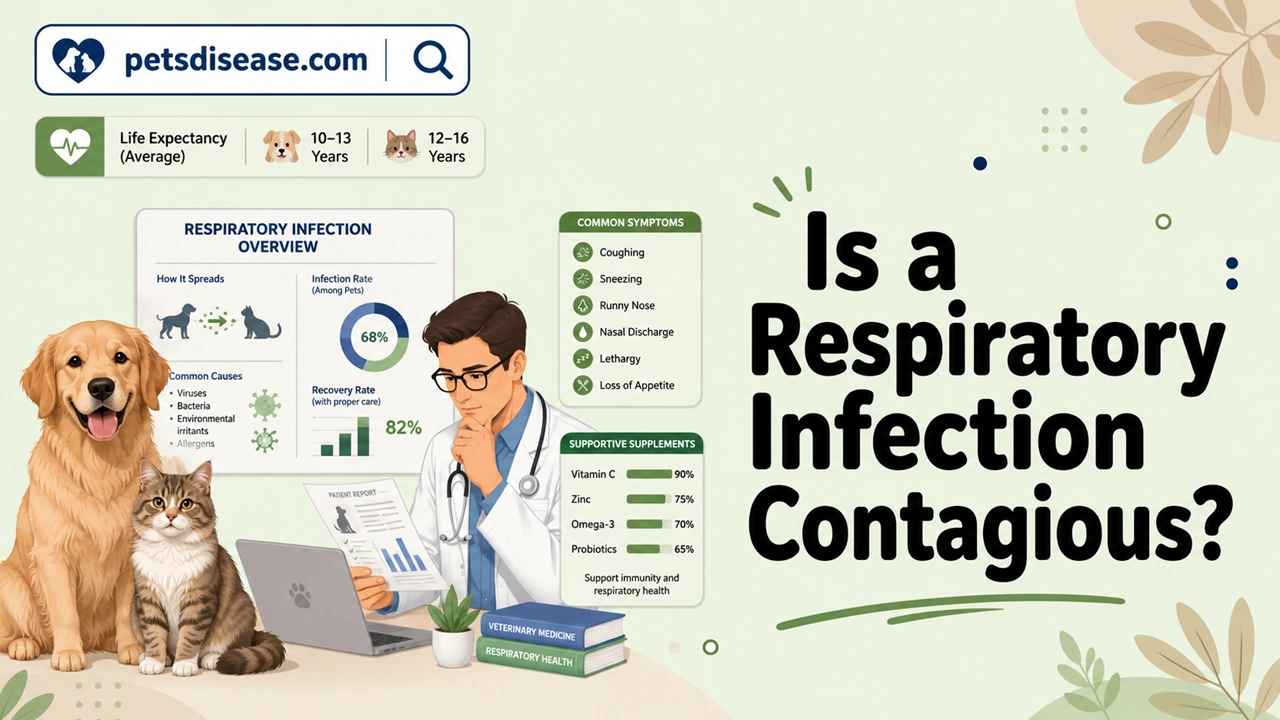
Many people ask, “Is a respiratory infection contagious?” The answer depends on the cause of the infection. Respiratory infections affect the nose, throat, and lungs. They can make you cough, sneeze, or feel sick. In many cases, germs such as viruses and bacteria spread from one person to another. Therefore, it is important to understand how these infections spread and how you can stay safe.
For example, when a sick person coughs or sneezes, tiny droplets can travel through the air. As a result, other people may breathe in those germs and become sick too. In addition, touching a surface with germs and then touching your face can also spread infection. Because of this, doctors often recommend washing your hands and covering your mouth when you cough. These simple steps can help reduce the spread of illness.
🐾 Pets Disease Dashboard
Select an animal to see diseases & symptoms
However, not every respiratory infection spreads in the same way. Some infections are very contagious, while others are less likely to spread. Therefore, learning about the symptoms, causes, and prevention methods can help protect you and your family. In this article, we will explain everything you need to know about respiratory infections in a simple and easy-to-understand way.
Is a Respiratory Infection Contagious? Understanding How It Spreads
Why Understanding Transmission Matters
A respiratory infection affects the airways, including the nose, throat, and lungs. Many people worry about spreading illness to family members, friends, coworkers, or classmates. Therefore, understanding transmission is important for everyone. Germs often travel through droplets that leave the mouth and nose during coughing, sneezing, laughing, or talking. As a result, people who spend time near an infected person may breathe in these droplets and become sick. Furthermore, crowded indoor spaces can increase the chance of exposure because germs remain close to other people. Health experts regularly encourage good hygiene habits because these simple actions help reduce transmission and protect communities from illness.
Many respiratory illnesses begin with mild symptoms. However, even mild symptoms can spread germs to others. For example, a person may feel slightly tired or develop a minor cough while still carrying infectious organisms. Consequently, that person may unknowingly spread disease before realizing they are sick. In addition, children often touch surfaces frequently and then touch their faces, which can increase transmission. Because of this, regular handwashing and cleaning shared objects remain important prevention measures. These habits support healthier environments and reduce the overall risk of infection.
Medical professionals study how germs move from person to person. Therefore, they provide evidence-based recommendations that help limit outbreaks. Although different infections behave differently, most spread through respiratory droplets, close contact, or contaminated surfaces. Consequently, people should stay home when they feel ill and follow public health guidance. By taking practical precautions and remaining aware of symptoms, individuals can help protect vulnerable people, including older adults and those with weakened immune systems.
Comparison of Common Transmission Methods
| Transmission Method | Risk Level | Common Example |
| Coughing | High | Cold symptoms |
| Sneezing | High | Flu infection |
| Talking closely | Moderate | Indoor conversations |
| Shared utensils | Moderate | Family meals |
| Touching surfaces | Moderate | Door handles |
| Handshakes | Moderate | Workplace contact |
| Crowded rooms | High | Public events |
| Poor ventilation | High | Small indoor areas |
| Shared towels | Low to Moderate | Household use |
| Touching face | Moderate | Daily habits |
| School exposure | High | Classroom settings |
| Public transport | High | Buses and trains |
How Long Is a Respiratory Infection Contagious?
Typical Contagious Period
The length of time an infection remains contagious depends on the cause of the illness. In many cases, viral infections spread most easily during the first few days after symptoms begin. However, some people can spread germs before symptoms appear. Therefore, relying only on visible symptoms may not completely prevent transmission. Most common colds remain contagious for several days, while some respiratory illnesses can spread for a longer period. As a result, health experts often recommend caution even after symptoms begin to improve.
The body’s immune system works continuously to fight infection. Consequently, contagiousness often decreases as recovery progresses. Nevertheless, coughing and sneezing can continue for days after the main illness improves. Because of this, people should continue practicing good hygiene during recovery. Furthermore, washing hands regularly and covering coughs can significantly reduce the chance of spreading germs. These preventive steps remain useful throughout the healing process.
Medical guidance may vary depending on the infection. Therefore, individuals should pay attention to symptoms, doctor recommendations, and local health advice. While many people recover without complications, some infections may require additional precautions. Consequently, staying informed helps protect both the infected individual and those around them. Responsible actions support faster recovery and reduce community transmission.
Comparison of Contagious Periods
| Infection Type | Typical Contagious Period |
| Common cold | Several days |
| Influenza | About one week |
| RSV | Several days to weeks |
| Viral bronchitis | Around one week |
| Sinus infection | Varies by cause |
| Adenovirus | Several days |
| Parainfluenza | About one week |
| COVID-19 | Varies by case |
| Pneumonia | Depends on cause |
| Strep throat | Until treated |
| Laryngitis | Varies |
| Upper airway viral illness | Several days |
What Causes a Respiratory Infection and Can It Spread to Others?
Common Causes of Respiratory Illness
Respiratory infections develop when harmful organisms enter the respiratory tract and begin multiplying. Viruses cause many cases, while bacteria and other microorganisms account for some infections. Therefore, exposure to infected individuals often increases the risk of illness. Germs may enter through the nose, mouth, or eyes and then affect the throat and airways. As a result, symptoms such as coughing, congestion, sore throat, and fatigue may appear. Understanding the cause helps determine the most effective treatment and prevention strategies.
Environmental factors also play an important role. For example, crowded spaces, poor ventilation, and seasonal changes can increase exposure to infectious organisms. Furthermore, weakened immunity may make it easier for germs to establish infection. Consequently, people who experience stress, poor sleep, or underlying health conditions may face greater risk. Maintaining healthy habits supports immune function and helps the body resist infection more effectively.
Healthcare professionals emphasize prevention because stopping infection is often easier than treating it. Therefore, regular handwashing, respiratory etiquette, and avoiding close contact with sick individuals remain important. In addition, vaccines help prevent certain respiratory diseases and reduce severe illness. These protective measures contribute to healthier communities and lower transmission rates.
Comparison of Respiratory Infection Causes
| Cause | Can Spread to Others? |
| Common cold virus | Yes |
| Influenza virus | Yes |
| RSV | Yes |
| Coronavirus | Yes |
| Adenovirus | Yes |
| Bacterial pneumonia | Often |
| Strep bacteria | Yes |
| Mycoplasma bacteria | Yes |
| Fungal infection | Rarely |
| Allergies | No |
| Asthma | No |
| Air pollution irritation | No |
Is a Respiratory Infection Contagious Through the Air or Surfaces?
Airborne Spread of Respiratory Infections
Many people wonder whether germs travel mainly through the air or through surfaces. In reality, both methods can spread illness. When an infected person coughs, sneezes, talks, or laughs, tiny droplets enter the air. As a result, nearby people may breathe in those droplets and become sick. Furthermore, some germs can remain suspended in the air for a short period, especially in poorly ventilated spaces. Therefore, healthcare experts often recommend improving airflow and avoiding crowded indoor environments during outbreaks.
Airborne transmission becomes more likely when people spend long periods in enclosed spaces. For example, classrooms, offices, buses, and waiting rooms may increase exposure when ventilation is limited. In addition, close contact allows respiratory droplets to move directly from one person to another. Consequently, maintaining reasonable distance and practicing respiratory hygiene can lower the chance of infection. Is a respiratory infection contagious through the air? In many cases, yes, especially when viruses spread through coughing and sneezing.
Although airborne spread receives significant attention, people should not ignore other routes of transmission. Therefore, combining multiple prevention strategies provides the best protection. Regular handwashing, proper ventilation, and covering coughs all work together to reduce risk. Moreover, these habits protect both healthy individuals and vulnerable populations. As a result, communities can lower infection rates and support better public health outcomes.
Surface Transmission and Daily Risks
Germs can also spread when respiratory droplets land on frequently touched objects. For instance, door handles, phones, keyboards, light switches, and countertops may temporarily hold infectious particles. Consequently, a person may touch a contaminated surface and then touch their eyes, nose, or mouth. This action can allow germs to enter the body. Therefore, regular cleaning remains an important part of infection prevention.
Many households and workplaces share common surfaces throughout the day. Furthermore, children often touch objects repeatedly and may forget to wash their hands. As a result, germs can move from one person to another more easily. However, simple hygiene practices significantly reduce this risk. Washing hands with soap and water, using hand sanitizer, and disinfecting frequently touched items can help limit transmission.
Experts continue to emphasize balanced prevention measures. Therefore, people should focus on both air quality and surface cleanliness. While airborne transmission often plays a major role, surface contamination may still contribute to the spread of illness. Consequently, maintaining clean surroundings supports overall health and reduces the likelihood of infection within homes, schools, and workplaces.
Comparison of Airborne vs Surface Transmission
| Factor | Airborne Transmission | Surface Transmission |
| Main source | Respiratory droplets | Contaminated objects |
| Risk level | High | Moderate |
| Common locations | Indoor spaces | Shared surfaces |
| Spread speed | Fast | Moderate |
| Requires close contact | Often | Not always |
| Examples | Coughing, sneezing | Door handles |
| Prevention method | Ventilation | Cleaning |
| Handwashing benefit | Helpful | Very important |
| Mask effectiveness | High | Limited |
| School exposure | Common | Common |
| Workplace exposure | Common | Common |
| Public transport risk | High | Moderate |
How to Prevent the Spread of a Respiratory Infection at Home
Daily Hygiene Habits That Help
Preventing illness at home begins with simple daily habits. First, family members should wash their hands regularly with soap and water. Furthermore, everyone should cover coughs and sneezes with a tissue or their elbow. As a result, fewer germs enter the environment. Consistent hygiene practices create a healthier home and help reduce exposure to infectious organisms.
People should also avoid sharing personal items during illness. For example, drinking glasses, utensils, towels, and toothbrushes can spread germs between household members. Therefore, assigning personal items to each individual reduces unnecessary contact. In addition, cleaning commonly touched surfaces every day helps remove germs before they spread further. These actions provide practical protection for the entire family.
Healthy lifestyle habits support prevention as well. Consequently, getting enough sleep, eating nutritious foods, staying hydrated, and managing stress can strengthen the immune system. Although no prevention method guarantees complete protection, combining several strategies offers the best results. Therefore, households should maintain consistent routines throughout the year.
Protecting Family Members During Illness
When someone becomes sick, isolation within the home may reduce transmission. Therefore, the sick person should rest in a separate room whenever possible. In addition, limiting close contact with other family members decreases exposure. These measures become especially important when older adults, infants, or people with weakened immune systems live in the household.
Good airflow also supports a healthier indoor environment. Opening windows and improving ventilation can help remove airborne particles. Furthermore, fresh air circulation reduces the concentration of germs indoors. Is a respiratory infection contagious enough to affect an entire household? Unfortunately, it can spread quickly if preventive measures are ignored. Therefore, prompt action often makes a significant difference.
Families should also monitor symptoms carefully. If symptoms worsen or new concerns develop, seeking medical advice may be appropriate. Meanwhile, maintaining hydration and following healthcare recommendations support recovery. Consequently, households can manage illness more effectively while reducing the risk of transmission.
Comparison of Home Prevention Strategies
| Prevention Method | Benefit |
| Handwashing | Removes germs |
| Covering coughs | Reduces droplets |
| Using tissues | Limits spread |
| Cleaning surfaces | Removes contamination |
| Opening windows | Improves airflow |
| Staying home when sick | Protects others |
| Separate sleeping area | Reduces contact |
| Avoiding shared items | Prevents transmission |
| Using hand sanitizer | Kills many germs |
| Proper hydration | Supports recovery |
| Healthy nutrition | Supports immunity |
| Regular rest | Aids healing |
When Should You See a Doctor for a Respiratory Infection?
Warning Signs That Need Medical Attention
Many respiratory infections improve without advanced treatment. However, some symptoms require medical evaluation. For example, difficulty breathing, chest pain, persistent high fever, or severe weakness may indicate a more serious condition. Therefore, people should not ignore symptoms that worsen or fail to improve over time. Early medical assessment can help identify complications and guide appropriate treatment.
Children, older adults, and individuals with chronic health conditions may face higher risks. Consequently, healthcare providers often recommend closer monitoring for these groups. Furthermore, symptoms such as dehydration, confusion, or rapid breathing deserve prompt attention. Seeking professional advice early may prevent complications and improve recovery outcomes.
Medical professionals evaluate symptoms, medical history, and risk factors before recommending treatment. Therefore, each case requires individual assessment. While many infections remain mild, recognizing warning signs helps people make informed decisions about their health. As a result, patients receive timely care when necessary.
Knowing When Recovery Is Not Progressing Normally
Most people notice gradual improvement within several days. However, symptoms that continue getting worse may signal an underlying problem. For instance, worsening cough, increasing shortness of breath, or recurring fever may require further evaluation. Therefore, monitoring symptom progression remains an important part of recovery.
Individuals should also pay attention to unusual changes. In addition, prolonged fatigue or persistent respiratory discomfort may indicate that additional medical care is needed. Is a respiratory infection contagious while symptoms continue? In some cases, a person may still spread germs during the recovery phase. Therefore, maintaining preventive habits remains important until symptoms improve significantly.
Trustworthy healthcare guidance plays a key role in recovery. Consequently, people should follow medical recommendations and seek help whenever concerns arise. Prompt evaluation provides reassurance, supports proper treatment, and helps prevent complications. Therefore, consulting a healthcare professional remains the safest choice when symptoms become severe or unusual.
Comparison of Symptoms and Medical Response
| Symptom | Recommended Action |
| Mild cough | Monitor at home |
| Runny nose | Home care |
| Mild sore throat | Hydration and rest |
| Low fever | Monitor symptoms |
| Persistent fever | Contact doctor |
| Chest pain | Seek medical care |
| Difficulty breathing | Immediate evaluation |
| Severe fatigue | Medical advice |
| Confusion | Urgent care |
| Dehydration | Medical assessment |
| Rapid breathing | Prompt evaluation |
| Worsening symptoms | Doctor consultation |
Final Thoughts on Respiratory Infections and Contagiousness
Understanding is a respiratory infection contagious can help you make better choices for yourself and the people around you. In many cases, respiratory infections spread through coughing, sneezing, close contact, or contaminated surfaces. Therefore, simple habits such as washing your hands, covering your mouth when coughing, and staying home when sick can make a big difference. Moreover, knowing the symptoms and understanding how infections spread allows you to act quickly and reduce the risk of passing germs to others.
Although many respiratory infections improve with rest and home care, some may require medical attention. Consequently, it is important to monitor symptoms and seek professional advice when necessary. By following trusted health recommendations and practicing good hygiene, you can protect your family, coworkers, classmates, and community. Ultimately, awareness, prevention, and timely care remain the best tools for reducing the spread of respiratory infections and supporting a healthy recovery.
FAQs
Can I catch a respiratory infection from someone who seems healthy?
Yes, some people can spread germs before symptoms appear or while symptoms are very mild. Therefore, infections may spread even when a person does not look sick. Practicing good hygiene and washing your hands regularly can help reduce this risk.
How long should I stay away from others if I have a respiratory infection?
The answer depends on the cause of the infection and your symptoms. In general, it is wise to stay home while you have a fever or significant symptoms. Returning after improvement helps protect others from possible exposure.
Do respiratory infections always spread through coughing and sneezing?
No. While coughing and sneezing are common ways germs spread, infections can also spread through close contact and contaminated surfaces. Therefore, cleaning frequently touched objects and washing hands regularly are important prevention steps.
Can I get a respiratory infection from touching a contaminated surface?
Yes, it is possible. If you touch a surface with germs and then touch your eyes, nose, or mouth, infection may occur. However, regular handwashing greatly lowers the chance of becoming sick.
Are children more likely to spread respiratory infections?
Children often have close contact with others and may forget proper hygiene habits. As a result, respiratory infections can spread quickly in schools and daycare settings. Teaching children healthy habits can help reduce transmission.
Is a respiratory infection contagious after symptoms improve?
In some cases, a person may still spread germs for a short time after feeling better. Therefore, continuing good hygiene practices during recovery is important. The contagious period varies depending on the specific infection.
Can wearing a mask help prevent respiratory infections?
Yes, masks can help reduce the spread of respiratory droplets. They are especially useful in crowded indoor spaces or when someone is sick. Combined with other preventive measures, masks can provide additional protection.
What is the difference between a viral and bacterial respiratory infection?
Viral infections are caused by viruses, while bacterial infections are caused by bacteria. Both can affect the respiratory system, but treatment may differ. A healthcare professional can determine the cause and recommend appropriate care.
When should I worry about respiratory infection symptoms?
You should seek medical advice if you experience difficulty breathing, chest pain, dehydration, persistent high fever, or worsening symptoms. Early evaluation can help identify complications and support a safer recovery.
What is the best way to prevent spreading a respiratory infection at home?
The best approach combines several habits. Wash your hands often, clean shared surfaces, improve ventilation, cover coughs and sneezes, and avoid sharing personal items. Together, these actions can significantly reduce household transmission.