
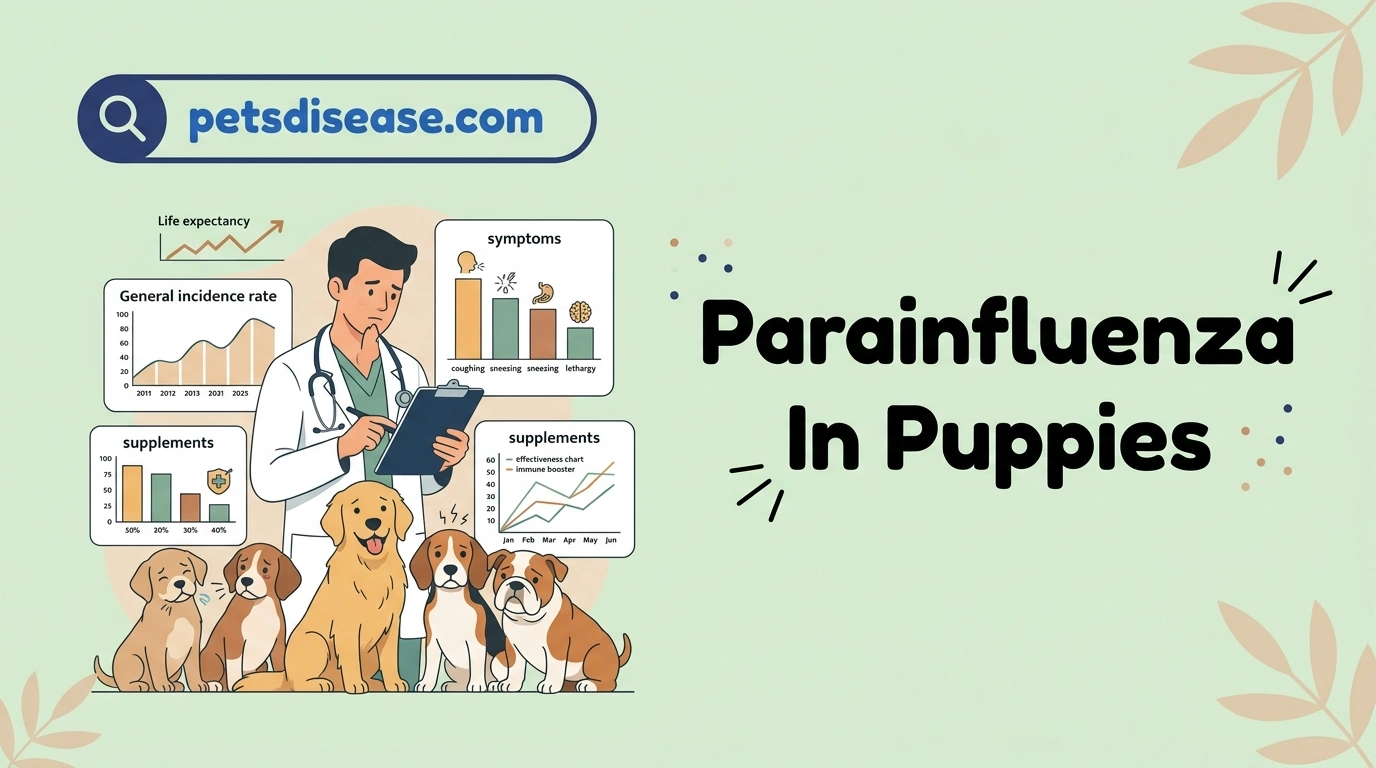
Parainfluenza in puppies is a common respiratory illness that affects young dogs. It can cause coughing, sneezing, and a runny nose. Because puppies have developing immune systems, they can get sick more easily than adult dogs. Therefore, pet owners should learn about this infection and its symptoms.
This virus spreads quickly when puppies spend time around other dogs. For example, it can pass from one puppy to another in shelters, parks, or kennels. However, early care and proper treatment can help puppies recover faster. In addition, regular veterinary checkups can help keep your puppy healthy and safe.
🐾 Pets Disease Dashboard
Select an animal to see diseases & symptoms
Knowing the signs of parainfluenza in puppies is very important. As a result, you can act quickly if your puppy becomes ill. Moreover, understanding how the virus spreads can help you prevent infections. In this guide, you will learn about the causes, symptoms, treatment options, and prevention tips for parainfluenza in puppies.
What Is Parainfluenza in Puppies?
Understanding the Disease
Parainfluenza is a contagious respiratory virus that affects dogs, especially young puppies. It mainly attacks the upper respiratory tract and can cause coughing, sneezing, and mild breathing problems. Because puppies have developing immune systems, they often have a higher risk of infection than adult dogs. Moreover, the virus spreads quickly in places where many dogs gather. Therefore, pet owners should understand how this illness works so they can recognize the warning signs early and provide proper care when needed.
Many people confuse this condition with other respiratory illnesses because several canine infections share similar symptoms. However, veterinarians can identify important differences through a physical examination and diagnostic testing. In addition, the disease often appears as part of a group of respiratory infections commonly known as kennel cough. As a result, puppies may experience symptoms that range from mild discomfort to more noticeable respiratory distress. Early recognition helps owners respond quickly and support their puppy’s recovery.
When discussing parainfluenza in puppies, it is important to understand that the virus does not usually cause severe illness in healthy animals. Nevertheless, complications may develop if secondary bacterial infections occur. Furthermore, stress, overcrowding, and poor hygiene can increase the risk of illness. Consequently, responsible pet care, regular veterinary visits, and preventive health measures play an important role in protecting young dogs from respiratory diseases.
Comparison Table: Parainfluenza vs Other Respiratory Conditions
| Feature | Parainfluenza | Kennel Cough | Canine Influenza |
| Cause | Viral infection | Multiple causes | Influenza virus |
| Main Target | Respiratory tract | Respiratory tract | Respiratory system |
| Common Age Group | Puppies and dogs | All ages | All ages |
| Dry Cough | Common | Very common | Common |
| Sneezing | Frequent | Possible | Frequent |
| Fever | Rare | Rare | More common |
| Runny Nose | Common | Common | Common |
| Contagious | Yes | Yes | Yes |
| Recovery Time | Usually short | Moderate | Variable |
| Vaccination Available | Yes | Partial protection | Yes |
| Risk in Crowded Areas | High | High | High |
| Veterinary Care Needed | Recommended | Recommended | Recommended |
What Causes Parainfluenza in Puppies?
Main Causes and Risk Factors
A specific canine virus causes this respiratory infection. The virus enters the body through the nose or mouth and then begins to affect the respiratory tract. Because puppies often explore their environment and interact with other dogs, they can easily come into contact with infectious particles. Additionally, shared water bowls, toys, and bedding can contribute to transmission. Therefore, maintaining a clean environment can reduce exposure to harmful germs.
Several factors increase the likelihood of infection. For example, puppies living in shelters, kennels, or daycare facilities often face greater exposure because many dogs share the same space. Likewise, stress can weaken the immune system and make a puppy more vulnerable to illness. Furthermore, poor ventilation may allow viral particles to remain in the air for longer periods. Consequently, crowded environments often experience higher infection rates.
The development of parainfluenza in puppies usually involves direct contact with infected dogs or exposure to respiratory droplets released through coughing and sneezing. Moreover, puppies that have not completed their vaccination schedule may face a greater risk of infection. As a result, preventive healthcare becomes an important part of protecting young dogs. Regular veterinary guidance helps owners make informed decisions about vaccination and disease prevention.
Comparison Table: Risk Factors and Their Impact
| Risk Factor | Low Risk | High Risk |
| Vaccinated Puppy | Yes | No |
| Exposure to Sick Dogs | Rare | Frequent |
| Shelter Environment | No | Yes |
| Kennel Stay | Occasional | Frequent |
| Daycare Attendance | Limited | Regular |
| Hygiene Standards | Excellent | Poor |
| Ventilation | Good | Poor |
| Stress Levels | Low | High |
| Immune System Strength | Strong | Weak |
| Veterinary Checkups | Regular | Infrequent |
| Shared Bowls | Rarely Shared | Frequently Shared |
| Population Density | Low | High |
Common Symptoms of Parainfluenza in Puppies
Signs Pet Owners Should Watch For
The symptoms of this respiratory infection can vary from one puppy to another. However, a dry and persistent cough is one of the most common signs. In addition, many puppies develop sneezing, nasal discharge, and mild lethargy. Although these symptoms often appear mild at first, they can become more noticeable over time. Therefore, careful observation helps owners identify potential health problems before they worsen.
Some puppies may also experience reduced appetite and lower activity levels. Furthermore, they may seem less interested in playtime or social interaction. Because young dogs normally have high energy levels, sudden changes in behavior can indicate illness. Meanwhile, mild eye discharge and throat irritation may occur alongside respiratory symptoms. As a result, owners should monitor any unusual physical or behavioral changes closely.
When parainfluenza in puppies progresses or combines with another infection, symptoms may become more severe. For instance, a puppy could develop breathing difficulties, fever, or significant fatigue. Consequently, prompt veterinary attention becomes important if symptoms worsen. Early treatment not only supports recovery but also helps prevent complications that may affect overall health and well-being.
Comparison Table: Mild vs Severe Symptoms
| Symptom | Mild Case | Severe Case |
| Cough | Occasional | Persistent |
| Sneezing | Mild | Frequent |
| Nasal Discharge | Light | Heavy |
| Appetite | Slightly Reduced | Significantly Reduced |
| Energy Level | Mildly Lower | Very Low |
| Breathing | Normal | Difficult |
| Fever | Rare | Possible |
| Eye Discharge | Mild | Noticeable |
| Sleep Patterns | Slight Change | Excessive Sleeping |
| Playfulness | Reduced | Absent |
| Recovery Speed | Faster | Slower |
| Veterinary Urgency | Recommended | Immediate |
How Long Does Parainfluenza in Puppies Last?
Recovery Time and Healing Process
The recovery period for this respiratory infection can vary depending on a puppy’s age, immune system strength, and overall health. In most cases, puppies start showing improvement within a few days after symptoms appear. However, complete recovery often takes one to three weeks. During this time, proper rest, good nutrition, and adequate hydration help the body fight the infection more effectively. Therefore, owners should focus on supportive care and closely monitor their puppy’s condition throughout the healing process.
Several factors can affect how quickly a puppy recovers. For example, puppies that receive prompt veterinary attention often heal faster than those whose symptoms go untreated. In addition, puppies living in clean and low-stress environments usually experience a smoother recovery. Meanwhile, secondary bacterial infections may extend the healing period and require additional treatment. As a result, regular observation becomes essential during the recovery phase.
Most cases of parainfluenza in puppies remain mild and resolve without serious complications. Nevertheless, owners should continue following veterinary recommendations even after symptoms begin to improve. Furthermore, limiting contact with other dogs during recovery helps prevent the spread of infection. Consequently, patience and consistent care play important roles in helping puppies return to their normal activity levels safely.
Comparison Table: Factors Affecting Recovery Time
| Factor | Faster Recovery | Slower Recovery |
| Age | Older puppy | Very young puppy |
| Immune System | Strong | Weak |
| Veterinary Care | Early treatment | Delayed treatment |
| Nutrition | Balanced diet | Poor diet |
| Hydration | Adequate | Insufficient |
| Stress Level | Low | High |
| Living Conditions | Clean | Unsanitary |
| Exercise | Controlled rest | Excessive activity |
| Secondary Infection | None | Present |
| Vaccination Status | Up to date | Incomplete |
| Exposure to Other Dogs | Limited | Frequent |
| Overall Health | Good | Compromised |
Can Parainfluenza in Puppies Be Prevented?
Effective Prevention Strategies
Preventing respiratory infections begins with good daily care and responsible pet ownership. One of the most effective preventive measures involves maintaining a clean environment where puppies eat, sleep, and play. Additionally, owners should regularly disinfect food bowls, water dishes, toys, and bedding. Because viruses can spread through contaminated surfaces, proper sanitation significantly lowers the risk of infection. Therefore, simple hygiene practices provide valuable protection for growing puppies.
Limiting exposure to sick dogs also plays a major role in prevention. For example, if a dog at a park, kennel, or daycare facility shows signs of illness, owners should avoid contact whenever possible. Moreover, reducing stress supports a healthy immune system and helps puppies resist infections more effectively. Meanwhile, proper nutrition supplies essential nutrients that strengthen natural defenses against disease. Consequently, a healthy lifestyle contributes to long-term respiratory health.
Although no preventive method guarantees complete protection, reducing risk factors can greatly decrease the chances of parainfluenza in puppies developing. Furthermore, regular veterinary visits allow professionals to identify potential health concerns before they become serious. As a result, combining hygiene, nutrition, vaccination, and routine healthcare creates a strong defense against many common canine illnesses.
Comparison Table: Prevention Methods and Benefits
| Prevention Method | Main Benefit |
| Vaccination | Reduces infection risk |
| Clean Bedding | Lowers germ exposure |
| Fresh Water | Supports health |
| Balanced Diet | Strengthens immunity |
| Routine Vet Visits | Early detection |
| Avoid Sick Dogs | Reduces transmission |
| Proper Ventilation | Improves air quality |
| Stress Reduction | Supports immune function |
| Clean Food Bowls | Prevents contamination |
| Controlled Socialization | Limits exposure |
| Regular Grooming | Supports hygiene |
| Healthy Lifestyle | Improves overall wellness |
Parainfluenza Vaccine for Puppies: Benefits and Schedule
Why Vaccination Matters
Vaccination remains one of the most effective tools available for protecting dogs from respiratory diseases. While vaccines may not always prevent infection completely, they often reduce symptom severity and lower the likelihood of serious complications. In addition, vaccinated puppies usually recover more quickly if they become exposed to respiratory viruses. Therefore, veterinarians strongly recommend following an appropriate vaccination schedule during the early stages of life.
Puppies typically receive their first vaccines at a young age, followed by booster doses according to veterinary recommendations. Because maternal antibodies gradually decrease over time, puppies need these vaccinations to build their own immune protection. Furthermore, boosters help maintain long-term effectiveness. As a result, consistent vaccination supports stronger protection throughout a dog’s life.
The vaccine designed to help protect against parainfluenza in puppies is often included in combination vaccines commonly administered during routine puppy care. Moreover, puppies that frequently visit kennels, dog parks, training classes, or daycare facilities may benefit even more from proper vaccination. Consequently, discussing an individualized vaccination plan with a veterinarian helps ensure the best level of protection for each puppy.
Comparison Table: Vaccinated vs Unvaccinated Puppies
| Category | Vaccinated Puppy | Unvaccinated Puppy |
| Infection Risk | Lower | Higher |
| Symptom Severity | Often milder | Often stronger |
| Recovery Time | Usually shorter | May be longer |
| Immune Protection | Stronger | Limited |
| Complication Risk | Lower | Higher |
| Veterinary Costs | Often lower | May increase |
| Social Activities | Safer participation | Greater risk |
| Exposure Response | Better prepared | Less prepared |
| Respiratory Health | Better protected | More vulnerable |
| Long-Term Protection | Improved | Reduced |
| Disease Spread | Lower chance | Higher chance |
| Overall Safety | Increased | Decreased |
When Should You See a Vet for a Puppy With Parainfluenza?
Warning Signs That Need Professional Care
Many puppies recover from mild respiratory infections with supportive care and veterinary guidance. However, some symptoms require prompt medical attention. For instance, difficulty breathing, extreme tiredness, refusal to eat, or signs of dehydration should never be ignored. In addition, persistent coughing that worsens over time may indicate complications. Therefore, owners should seek professional advice whenever symptoms appear unusually severe.
Young puppies are especially vulnerable because their immune systems are still developing. Consequently, even mild symptoms can sometimes progress more quickly than expected. Moreover, puppies with existing health issues may face a greater risk of complications. Meanwhile, high fever, rapid breathing, or unusual weakness often signal the need for immediate veterinary evaluation. As a result, early intervention helps prevent more serious health problems.
If symptoms related to parainfluenza in puppies fail to improve after several days or begin worsening, scheduling a veterinary visit becomes essential. Furthermore, veterinarians can rule out other respiratory conditions that may produce similar symptoms. Consequently, timely medical care improves recovery outcomes and provides peace of mind for pet owners who want the best possible care for their puppy.
Comparison Table: When to Monitor vs When to Visit a Vet
| Situation | Monitor at Home | Visit a Veterinarian |
| Mild Cough | Yes | If persistent |
| Occasional Sneezing | Yes | If worsening |
| Normal Appetite | Yes | No |
| Reduced Appetite | Monitor | If prolonged |
| Mild Fatigue | Monitor | If severe |
| Breathing Difficulty | No | Immediately |
| High Fever | No | Immediately |
| Severe Weakness | No | Immediately |
| Refusal to Drink Water | No | Immediately |
| Continuous Coughing | Monitor briefly | Recommended |
| Symptoms Improving | Yes | Usually not needed |
| Symptoms Getting Worse | No | Promptly |
Conclusion
Parainfluenza is a common respiratory infection that can affect puppies, especially during their early months of life. Fortunately, most puppies recover well when owners recognize symptoms early and provide proper care. Throughout this guide, we explored the causes, symptoms, diagnosis, treatment options, prevention methods, and vaccination recommendations that help keep young dogs healthy. Moreover, understanding how the virus spreads allows pet owners to take practical steps that reduce the risk of infection.
Although respiratory illnesses can feel concerning, prompt veterinary attention and supportive care often lead to a positive outcome. In addition, maintaining a clean environment, following vaccination schedules, and supporting your puppy’s immune system can make a significant difference. Most importantly, staying informed helps you make confident decisions about your pet’s health. By recognizing warning signs and acting quickly when needed, you can give your puppy the best chance for a safe recovery and a happy, active life.
FAQs
Is parainfluenza in puppies contagious to other dogs?
Yes, this virus spreads very easily between dogs. Puppies can catch it through coughing, sneezing, direct contact, or shared items such as food bowls and toys. Therefore, it is important to keep infected puppies away from other dogs until they recover and a veterinarian confirms that it is safe.
Can humans catch parainfluenza from puppies?
No, canine parainfluenza is different from human parainfluenza viruses. The virus that affects dogs does not normally spread to people. As a result, pet owners can safely care for an infected puppy while still following good hygiene practices such as washing hands after handling their pet.
What is the first sign of parainfluenza in puppies?
A dry, persistent cough is often the first symptom owners notice. In addition, some puppies may begin sneezing or develop a runny nose. Because early symptoms can appear mild, monitoring changes in breathing, appetite, and energy levels can help identify the illness sooner.
Can a puppy recover from parainfluenza without treatment?
Many mild cases improve with rest, hydration, and supportive care. However, a veterinary examination is still recommended because symptoms can resemble other respiratory diseases. Furthermore, some puppies may develop complications that require medication or additional treatment to support recovery.
How long should I isolate a puppy with parainfluenza?
Most veterinarians recommend limiting contact with other dogs until symptoms have fully resolved. Because the virus can spread before complete recovery, isolation may be necessary for several weeks. Following your veterinarian’s advice helps reduce transmission and protects other dogs from infection.
Does the parainfluenza vaccine completely prevent infection?
The vaccine does not guarantee complete protection. However, it can significantly reduce the severity of symptoms and lower the risk of serious illness. In addition, vaccinated puppies often recover more quickly and experience fewer complications than unvaccinated puppies.
Can parainfluenza become serious in puppies?
Yes, although many cases remain mild, some puppies can develop more severe respiratory problems. This risk increases if secondary bacterial infections occur or if the puppy has a weakened immune system. Therefore, prompt veterinary care is important whenever symptoms worsen.
What should a puppy with parainfluenza eat?
A puppy should continue eating a balanced, nutritious diet that supports recovery. Soft foods may be easier to eat if coughing causes throat irritation. Additionally, fresh water should always be available because proper hydration helps the body fight infection and maintain overall health.
How do veterinarians test for parainfluenza in puppies?
Veterinarians usually begin with a physical examination and a review of symptoms. Depending on the situation, they may recommend laboratory testing, nasal swabs, or additional diagnostic procedures. These tests help confirm the cause of illness and rule out other respiratory infections.
When is emergency veterinary care needed?
Emergency care is necessary if a puppy experiences severe breathing difficulty, refuses food and water, becomes extremely weak, or develops a high fever. These symptoms may indicate complications that require immediate medical attention. Quick treatment can improve recovery and help prevent serious health problems.