
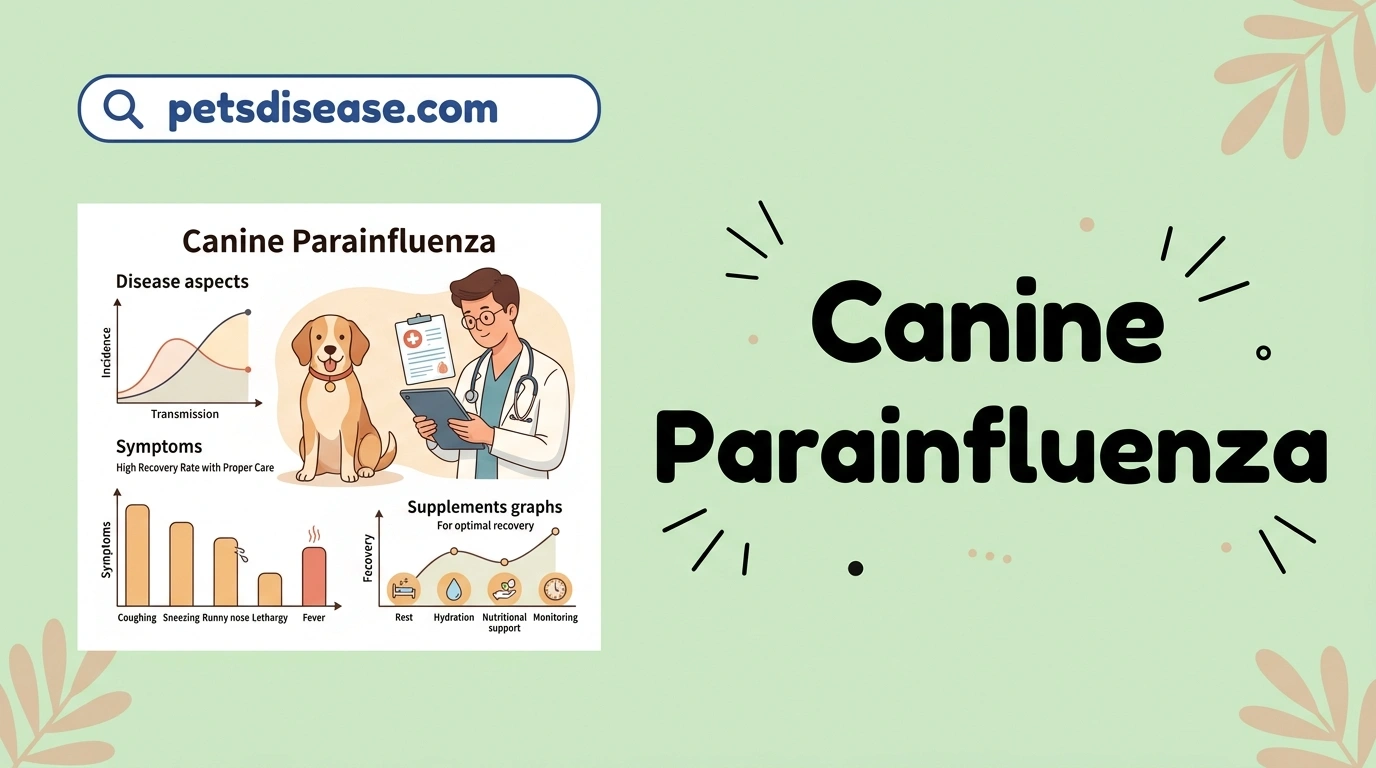
Canine parainfluenza is a common virus that affects a dog’s breathing system. It can spread from one dog to another, especially in places where many dogs spend time together. Therefore, pet owners often want to learn more about this illness and how it affects their pets. Moreover, understanding the virus can help owners spot symptoms early and take the right steps to protect their dogs.
Dogs with canine parainfluenza may develop a cough, sneeze often, or have a runny nose. In many cases, the illness is mild, but some dogs may feel tired or lose interest in food. Therefore, it is important to watch for changes in your dog’s behavior and health. In addition, early care can help your dog recover more comfortably and reduce the chance of spreading the virus to other dogs.
This guide will explain canine parainfluenza in a simple and easy way. Furthermore, you will learn about symptoms, causes, treatment options, vaccines, and prevention tips. As a result, you can make informed decisions about your dog’s health. By learning more about canine parainfluenza, you can help keep your furry friend safe, happy, and healthy.
What Is Canine Parainfluenza and How Does It Spread?
Understanding the Virus
Canine parainfluenza is a contagious respiratory virus that affects dogs and spreads quickly in places where dogs gather together. It mainly targets the upper respiratory tract and can contribute to a group of illnesses often called kennel cough. Therefore, dog owners frequently search for information about this virus when they notice coughing or sneezing in their pets. Moreover, learning about the infection helps owners take preventive steps before serious problems develop. As a result, awareness plays an important role in protecting canine health.
The virus spreads through tiny droplets that infected dogs release when they cough, sneeze, or bark. Consequently, healthy dogs can become exposed simply by being near an infected animal. In addition, shared water bowls, toys, bedding, and food dishes may increase the risk of transmission. Therefore, crowded environments often create ideal conditions for the virus to spread. Furthermore, dogs that regularly attend daycare centers, dog parks, or boarding facilities may face greater exposure.
Fortunately, preventive measures can significantly reduce infection risks. Therefore, veterinarians recommend maintaining vaccinations and avoiding contact with visibly sick animals whenever possible. Moreover, good hygiene practices help limit the spread of respiratory illnesses. As a result, responsible pet owners can help protect both their own dogs and the wider canine community.
Where Dogs Commonly Catch the Virus
Dogs often encounter respiratory viruses in social settings. Therefore, locations such as kennels, grooming facilities, dog shows, and training classes can become transmission points. Moreover, close contact between dogs increases the likelihood of infection. Consequently, environments with high dog traffic require careful health monitoring.
The virus can move rapidly through groups of animals. Therefore, even brief exposure may be enough for transmission to occur. In addition, dogs may spread the virus before owners recognize symptoms. As a result, outbreaks can develop quickly in crowded environments. Furthermore, routine health checks help identify problems before they become widespread.
Owners should remain aware of local outbreaks and facility requirements. Therefore, asking about vaccination policies before boarding or daycare visits can be beneficial. Moreover, informed decisions help reduce unnecessary risks. Consequently, dogs enjoy safer social experiences and healthier lives.
Why Early Prevention Matters
Preventing respiratory illness is often easier than treating advanced infections. Therefore, owners should pay attention to vaccination schedules and routine veterinary visits. In addition, maintaining a strong immune system through proper nutrition supports overall wellness. As a result, dogs may handle exposure more effectively.
Early prevention also protects other dogs. Therefore, owners should keep coughing or sneezing pets away from social settings until a veterinarian provides guidance. Moreover, limiting contact reduces the spread of contagious diseases. Consequently, responsible actions benefit entire pet communities.
By understanding transmission methods and risk factors, owners can make informed choices. Therefore, education remains one of the best tools for disease prevention. Furthermore, awareness supports faster responses when symptoms appear. As a result, dogs receive timely care and improved protection.
Comparison Table: How the Virus Spreads
| Factor | Higher Risk Situation | Lower Risk Situation |
| Dog Parks | Frequent Exposure | Limited Exposure |
| Boarding Facilities | High Contact | No Boarding |
| Shared Bowls | Common | Separate Bowls |
| Grooming Visits | Increased Contact | Home Grooming |
| Training Classes | Group Setting | Individual Training |
| Vaccination Status | Not Current | Up to Date |
| Sick Dog Contact | Direct Exposure | Avoided |
| Hygiene Practices | Poor | Consistent |
| Crowded Areas | Frequent | Rare |
| Immune Health | Weak | Strong |
| Outbreak Risk | Higher | Lower |
| Prevention Level | Limited | Strong |
Canine Parainfluenza Symptoms Every Dog Owner Should Know
Common Signs of Infection
One of the most common reasons owners research canine parainfluenza is to identify symptoms early. The most noticeable sign is often a dry, persistent cough. Moreover, dogs may sneeze frequently and develop mild nasal discharge. Therefore, respiratory changes usually provide the first clues that something is wrong. As a result, owners who recognize symptoms early can seek veterinary advice more quickly.
Many infected dogs continue eating and drinking normally. However, some become less energetic than usual. Consequently, subtle behavioral changes may accompany respiratory symptoms. In addition, watery eyes and mild throat irritation sometimes appear. Therefore, paying attention to small changes can help owners detect illness sooner.
Symptoms can vary between dogs. Therefore, some pets show only mild coughing while others experience more noticeable discomfort. Moreover, puppies and older dogs may react differently because of their immune system strength. As a result, symptom severity often depends on individual health factors.
Symptoms That May Require Veterinary Attention
Most mild cases improve with supportive care. However, some symptoms suggest a need for professional evaluation. Therefore, breathing difficulties, significant lethargy, fever, or loss of appetite should never be ignored. Moreover, worsening symptoms may indicate secondary infections. Consequently, prompt veterinary care becomes important.
Dogs with weakened immune systems face greater risks. Therefore, owners should monitor them carefully during illness. In addition, prolonged coughing may require additional assessment. As a result, early intervention can prevent complications and improve recovery outcomes.
Veterinary guidance helps determine the best treatment plan. Therefore, owners should not rely solely on home observation if symptoms become severe. Moreover, professional care supports safer and more effective recovery. Consequently, dogs receive the attention they need.
Monitoring Recovery Signs
Recovery often begins gradually. Therefore, owners should monitor changes in cough frequency, energy levels, and appetite. Moreover, improving symptoms usually indicate that the body is healing properly. As a result, careful observation helps track progress.
Rest remains important during recovery. Therefore, dogs should avoid strenuous activity until symptoms improve. In addition, access to fresh water and nutritious food supports healing. Consequently, supportive care contributes to a smoother recovery process.
Owners should maintain communication with their veterinarian throughout recovery. Therefore, any concerning changes should be reported promptly. Moreover, professional advice helps guide ongoing care. As a result, recovery becomes safer and more predictable.
Comparison Table: Mild vs Severe Symptoms
| Symptom | Mild Case | Severe Case |
| Cough | Occasional | Frequent |
| Sneezing | Mild | Persistent |
| Nasal Discharge | Clear | Thick |
| Energy Level | Slightly Lower | Significantly Reduced |
| Appetite | Normal | Reduced |
| Fever | Rare | Possible |
| Breathing Comfort | Normal | Difficulty Present |
| Hydration | Maintained | May Decrease |
| Veterinary Care | Monitoring | Immediate |
| Recovery Speed | Faster | Slower |
| Complication Risk | Low | Higher |
| Overall Condition | Stable | Concerning |
How Serious Is Canine Parainfluenza in Dogs?
Understanding Severity Levels
Many owners worry when they hear their dog has canine parainfluenza. Fortunately, most infections remain mild and improve with proper care. However, severity can vary depending on age, health status, and immune function. Therefore, while many dogs recover successfully, some require closer monitoring. Moreover, understanding risk factors helps owners respond appropriately.
Healthy adult dogs often experience mild respiratory symptoms. In contrast, puppies and senior dogs may face a greater chance of complications. Consequently, veterinarians recommend closer observation for higher-risk pets. In addition, underlying health conditions can affect recovery speed. As a result, every case deserves individual evaluation.
The virus may also contribute to more complex respiratory illnesses when combined with other infections. Therefore, symptoms should never be dismissed automatically. Moreover, early veterinary care helps identify potential complications. Consequently, timely treatment improves outcomes.
Factors That Increase Risk
Age remains one of the most important risk factors. Therefore, very young and older dogs often require extra attention. In addition, immune system weakness can make recovery more challenging. As a result, veterinarians frequently recommend proactive monitoring.
Environmental exposure also influences risk. Therefore, dogs that spend time in crowded locations encounter more opportunities for infection. Moreover, repeated exposure can increase disease spread. Consequently, preventive measures become especially important in social environments.
Owners should understand that not all dogs respond the same way. Therefore, symptom severity may differ significantly between pets. Furthermore, personalized veterinary care supports the best possible outcome. As a result, treatment plans can address individual needs effectively.
Why Early Care Improves Outcomes
Early care helps prevent complications from becoming severe. Therefore, owners should seek veterinary advice when symptoms persist or worsen. Moreover, prompt evaluation allows professionals to recommend appropriate treatment. Consequently, recovery often becomes smoother and more comfortable.
Supportive care plays a major role in successful recovery. Therefore, hydration, nutrition, and rest should remain priorities. In addition, following veterinary recommendations closely supports healing. As a result, many dogs recover without lasting effects.
By acting quickly and monitoring symptoms carefully, owners can improve their dog’s recovery experience. Therefore, awareness and observation remain essential. Moreover, responsible care reduces risks significantly. Consequently, dogs enjoy better health outcomes.
Comparison Table: Mild vs Higher-Risk Cases
| Factor | Mild Case | Higher-Risk Case |
| Age | Adult | Puppy/Senior |
| Immune Health | Strong | Weakened |
| Appetite | Normal | Reduced |
| Energy | Slightly Lower | Significantly Lower |
| Fever | Rare | More Likely |
| Breathing Issues | Minimal | Possible |
| Recovery Time | Shorter | Longer |
| Veterinary Visits | Limited | Frequent |
| Secondary Infection Risk | Low | Higher |
| Hospitalization Need | Rare | Possible |
| Prognosis | Excellent | Variable |
| Monitoring Need | Basic | Close |
Canine Parainfluenza vs Kennel Cough: What Is the Difference?
Understanding the Key Difference
Many people assume that canine parainfluenza and kennel cough are exactly the same condition. However, there is an important difference. Canine parainfluenza is a specific virus, while kennel cough refers to a broader respiratory syndrome that may involve several viruses and bacteria. Therefore, parainfluenza can contribute to kennel cough, but it is not the only cause.
Kennel cough often results from multiple infectious agents working together. Consequently, symptoms may vary depending on the organisms involved. In addition, bacterial infections may play a larger role in some cases. Therefore, diagnosis requires professional evaluation. As a result, veterinarians can identify the most likely cause and recommend appropriate treatment.
Understanding this distinction helps owners make informed decisions. Therefore, recognizing that kennel cough is a syndrome rather than a single disease improves awareness. Moreover, better knowledge supports effective communication with veterinary professionals. Consequently, dogs receive more targeted care.
Similarities Between the Conditions
Both conditions affect the respiratory tract. Therefore, coughing, sneezing, and nasal discharge commonly occur in each illness. Moreover, both spread easily in places where dogs gather together. As a result, prevention strategies often overlap.
Vaccination may help reduce risks for both conditions. Therefore, veterinarians frequently recommend preventive healthcare plans. In addition, good hygiene practices support disease control. Consequently, responsible ownership plays a major role in prevention.
Although symptoms may appear similar, underlying causes can differ. Therefore, veterinary evaluation remains important. Moreover, professional diagnosis helps guide treatment decisions. As a result, recovery management becomes more effective.
Why Accurate Diagnosis Matters
Accurate diagnosis helps identify the specific cause of illness. Therefore, veterinarians can tailor treatment recommendations appropriately. In addition, understanding the source of symptoms improves prevention planning. Consequently, dogs receive more effective care.
Owners should avoid assuming all coughs have the same cause. Therefore, professional assessment remains valuable. Moreover, early diagnosis reduces uncertainty and supports faster treatment. As a result, dogs often recover more comfortably.
Proper diagnosis also helps protect other dogs. Therefore, identifying contagious illnesses quickly limits transmission opportunities. Furthermore, timely intervention supports community health. Consequently, both individual pets and larger dog populations benefit.
Comparison Table: Canine Parainfluenza vs Kennel Cough
| Feature | Canine Parainfluenza | Kennel Cough |
| Type | Specific Virus | Respiratory Syndrome |
| Cause | Viral | Multiple Causes |
| Cough | Common | Common |
| Sneezing | Common | Common |
| Nasal Discharge | Common | Common |
| Bacterial Involvement | Usually Limited | Often Present |
| Diagnosis | Veterinary Assessment | Veterinary Assessment |
| Vaccination Available | Yes | Partial Protection |
| Spread | Easy | Easy |
| Severity | Mild to Moderate | Variable |
| Prevention | Vaccination and Hygiene | Vaccination and Hygiene |
| Recovery Outlook | Generally Good | Generally Good |
How Do Veterinarians Diagnose Canine Parainfluenza?
Understanding the Diagnostic Process
When a dog develops coughing, sneezing, or other respiratory symptoms, veterinarians begin with a detailed physical examination. Canine parainfluenza can cause signs that look similar to several other respiratory illnesses. Therefore, veterinarians carefully review the dog’s medical history, recent activities, vaccination status, and exposure to other dogs. Moreover, understanding where the dog has been recently can provide important clues about possible infection sources. As a result, the diagnostic process often starts with gathering accurate information from the owner.
During the examination, veterinarians listen to the dog’s breathing and check for signs of respiratory irritation. In addition, they assess overall health, body temperature, hydration status, and energy levels. Therefore, a thorough examination helps identify the severity of the illness. Furthermore, physical findings may reveal whether additional testing is necessary. Consequently, early evaluation supports more effective treatment decisions.
In many cases, symptoms and history provide strong diagnostic clues. However, veterinarians may recommend laboratory testing if symptoms are severe or if multiple respiratory diseases are possible. Therefore, diagnostic testing helps confirm the cause and rule out other conditions. As a result, dogs receive treatment plans that match their specific needs.
Diagnostic Tests Veterinarians May Use
Veterinarians sometimes collect samples from the nose or throat for laboratory analysis. Therefore, testing can help identify the virus responsible for respiratory symptoms. Moreover, laboratory results provide valuable information when multiple infections may be involved. Consequently, treatment recommendations become more precise.
In some situations, chest imaging may be recommended. Therefore, X-rays help evaluate the lungs and detect complications such as pneumonia. In addition, imaging provides a clearer picture of respiratory health. As a result, veterinarians can determine whether the infection remains mild or has progressed further.
Blood tests may also support diagnosis. Therefore, veterinarians sometimes use them to assess overall health and identify signs of infection. Moreover, additional testing may be necessary when symptoms persist longer than expected. Consequently, a comprehensive evaluation helps ensure the best possible care.
Why Early Diagnosis Matters
Early diagnosis allows treatment to begin before complications develop. Therefore, owners should seek veterinary advice when coughing or respiratory symptoms appear. Moreover, prompt evaluation often improves recovery outcomes. As a result, dogs may experience less discomfort during illness.
Accurate diagnosis also helps prevent disease spread. Therefore, infected dogs can be isolated from healthy animals when necessary. In addition, identifying contagious illnesses supports responsible pet ownership. Consequently, fewer dogs become exposed to infection.
Veterinary diagnosis provides peace of mind for owners. Therefore, professional guidance helps clarify what is happening and what steps should follow. Moreover, informed decisions support better health outcomes. As a result, dogs receive timely and appropriate care.
Comparison Table: Veterinary Diagnosis Methods
| Diagnostic Method | Purpose |
| Physical Examination | Evaluate overall health |
| Medical History Review | Identify exposure risks |
| Vaccination Review | Assess protection status |
| Respiratory Assessment | Check breathing function |
| Temperature Check | Detect fever |
| Nasal Swab Testing | Identify viruses |
| Throat Swab Testing | Detect respiratory pathogens |
| Blood Tests | Assess overall condition |
| Chest X-rays | Examine lungs |
| Symptom Monitoring | Track illness progression |
| Follow-Up Exams | Evaluate recovery |
| Laboratory Analysis | Confirm diagnosis |
Canine Parainfluenza Treatment Options and Recovery Tips
Common Treatment Approaches
Treatment focuses on relieving symptoms and supporting recovery. Canine parainfluenza often improves with rest, hydration, and proper care. Therefore, veterinarians usually recommend supportive treatment for mild cases. Moreover, ensuring the dog remains comfortable plays an important role in the healing process. As a result, many dogs recover successfully without intensive medical intervention.
Dogs need a quiet and comfortable place to rest during recovery. Therefore, owners should limit strenuous exercise and reduce stress whenever possible. In addition, access to fresh water helps maintain hydration. Consequently, supportive care helps the immune system work more effectively.
Some dogs may require medication if secondary bacterial infections develop. Therefore, veterinarians may prescribe treatments based on individual needs. Moreover, following professional instructions carefully improves recovery outcomes. As a result, dogs often regain their normal energy levels more quickly.
Supporting Recovery at Home
Home care plays a major role in recovery. Therefore, owners should monitor appetite, water intake, and activity levels daily. Moreover, observing symptoms helps identify changes that may require veterinary attention. Consequently, careful monitoring supports a smoother healing process.
Maintaining a clean environment also helps. Therefore, bedding, food bowls, and water dishes should be cleaned regularly. In addition, reducing exposure to irritants such as smoke supports respiratory comfort. As a result, dogs can breathe more easily while recovering.
Owners should remain patient throughout recovery. Therefore, improvement may occur gradually rather than immediately. Moreover, following veterinary recommendations consistently helps prevent setbacks. Consequently, recovery often progresses steadily over time.
Signs That Recovery Is Improving
Many dogs begin showing positive changes after receiving proper care. Therefore, reduced coughing and improved energy levels often signal progress. Moreover, a returning appetite suggests that the dog feels better. As a result, owners can monitor these improvements as signs of recovery.
Breathing should also become more comfortable as healing occurs. Therefore, persistent or worsening respiratory symptoms should be reported to a veterinarian. In addition, continued observation helps detect complications early. Consequently, prompt intervention remains possible if needed.
Recovery success often depends on consistent care. Therefore, maintaining healthy routines supports long-term wellness. Moreover, ongoing communication with a veterinarian helps address concerns. As a result, dogs have the best chance for a complete recovery.
Comparison Table: Mild Recovery vs Complicated Recovery
| Factor | Mild Recovery | Complicated Recovery |
| Cough Duration | Shorter | Longer |
| Energy Return | Faster | Slower |
| Appetite Recovery | Quick | Delayed |
| Hydration Needs | Routine | Increased Monitoring |
| Veterinary Visits | Fewer | More Frequent |
| Medication Use | Limited | Extended |
| Breathing Comfort | Improves Quickly | Improves Slowly |
| Recovery Monitoring | Basic | Close |
| Risk of Complications | Lower | Higher |
| Activity Return | Earlier | Later |
| Overall Outlook | Excellent | Variable |
| Owner Involvement | Moderate | Extensive |
Can Vaccines Protect Dogs From Canine Parainfluenza?
How Vaccination Supports Protection
Vaccination remains one of the most effective tools for reducing respiratory disease risks. Canine parainfluenza vaccines help the immune system recognize and respond to the virus more effectively. Therefore, vaccinated dogs often experience milder illness if exposure occurs. Moreover, vaccination supports broader disease prevention efforts within canine communities. As a result, many veterinarians recommend vaccination for dogs with social lifestyles.
The vaccine helps prepare the body’s natural defenses. Therefore, the immune system can react more quickly when it encounters the virus. In addition, vaccinated dogs may recover more comfortably than unvaccinated animals. Consequently, vaccination contributes to better health outcomes.
Protection becomes especially important for dogs that visit boarding facilities, dog parks, or daycare centers. Therefore, veterinarians often consider lifestyle factors when recommending vaccines. Moreover, preventive care reduces exposure risks. As a result, dogs enjoy greater protection during social activities.
Benefits Beyond Individual Protection
Vaccination helps reduce disease spread among groups of dogs. Therefore, widespread vaccination supports community health. In addition, lower transmission rates reduce the likelihood of outbreaks. Consequently, both individual dogs and larger dog populations benefit.
Routine vaccination also supports long-term preventive care. Therefore, regular wellness visits provide opportunities to review vaccination needs. Moreover, veterinarians can update recommendations based on changing lifestyles. As a result, dogs maintain stronger protection throughout life.
Owners who follow vaccination schedules help create safer environments. Therefore, responsible preventive care benefits everyone. Furthermore, maintaining current vaccinations reflects a proactive approach to pet health. Consequently, disease risks decrease significantly.
Understanding Vaccine Limitations
No vaccine offers complete protection in every situation. Therefore, vaccinated dogs may still become infected. However, symptoms are often milder and recovery may occur more quickly. As a result, vaccination remains highly valuable.
Vaccines work best when combined with other preventive measures. Therefore, owners should also practice good hygiene and avoid exposing dogs to sick animals. Moreover, multiple layers of protection improve effectiveness. Consequently, prevention becomes more comprehensive.
Veterinarians remain the best source of vaccine guidance. Therefore, owners should discuss individual risk factors with their veterinary team. Moreover, personalized recommendations help maximize protection. As a result, dogs receive care that matches their needs.
Comparison Table: Vaccinated vs Unvaccinated Dogs
| Feature | Vaccinated Dog | Unvaccinated Dog |
| Infection Risk | Lower | Higher |
| Symptom Severity | Milder | Often Stronger |
| Recovery Time | Often Shorter | Often Longer |
| Immune Response | Faster | Slower |
| Community Protection | Helps Reduce Spread | Limited Impact |
| Outbreak Resistance | Better | Lower |
| Veterinary Costs | Often Lower | May Increase |
| Complication Risk | Reduced | Higher |
| Social Exposure Safety | Improved | Reduced |
| Preventive Value | High | Low |
| Health Support | Stronger | Weaker |
| Overall Protection | Better | Limited |
How Long Does Canine Parainfluenza Last in Dogs?
Typical Recovery Timeline
Many owners want to know how long recovery may take. Canine parainfluenza usually improves with appropriate care and monitoring. Therefore, recovery often depends on the dog’s age, immune health, and symptom severity. Moreover, each dog heals at its own pace. As a result, timelines vary between individuals.
Healthy adult dogs often recover more quickly than higher-risk animals. Therefore, puppies and senior dogs may need additional time. In addition, secondary infections can extend recovery periods. Consequently, monitoring remains important throughout the healing process.
Most dogs show gradual improvement over time. Therefore, owners should focus on symptom trends rather than expecting instant recovery. Moreover, consistent care supports positive progress. As a result, recovery often proceeds smoothly.
Factors That Affect Recovery Time
Age, health status, and environment all influence healing. Therefore, strong immune systems often support faster recovery. Moreover, proper nutrition and hydration contribute significantly. Consequently, healthy routines make a difference.
Stress may slow recovery. Therefore, providing a calm environment helps support healing. In addition, avoiding excessive activity reduces strain on the respiratory system. As a result, the body can focus on recovery.
Owners should monitor symptoms carefully throughout the process. Therefore, worsening signs should prompt veterinary consultation. Moreover, timely intervention helps address complications. Consequently, recovery remains on track.
Supporting a Smooth Recovery
Recovery support begins with rest and hydration. Therefore, dogs should have access to fresh water and a comfortable resting area. In addition, nutritious meals help maintain strength. As a result, the body receives the resources needed for healing.
Regular veterinary communication remains helpful. Therefore, owners should report concerns promptly. Moreover, following treatment recommendations carefully improves outcomes. Consequently, recovery becomes more predictable.
Patience is important during recovery. Therefore, owners should allow dogs adequate time to heal fully. Moreover, gradual improvement often indicates progress. As a result, many dogs return to normal activities successfully.
Comparison Table: Faster vs Slower Recovery
| Factor | Faster Recovery | Slower Recovery |
| Age | Healthy Adult | Puppy/Senior |
| Immune Health | Strong | Weakened |
| Hydration | Excellent | Inconsistent |
| Nutrition | Balanced | Poor |
| Stress Levels | Low | High |
| Secondary Infection | Absent | Present |
| Veterinary Care | Prompt | Delayed |
| Rest Quality | Good | Limited |
| Recovery Progress | Steady | Slower |
| Complication Risk | Lower | Higher |
| Activity Return | Earlier | Later |
| Overall Outlook | Excellent | Variable |
Can Puppies and Senior Dogs Get Canine Parainfluenza More Easily?
Why Certain Dogs Face Higher Risks
Some dogs face greater risks because of age-related factors. Canine parainfluenza may affect puppies and senior dogs more easily due to differences in immune system strength. Therefore, these groups often require closer monitoring. Moreover, age-related vulnerabilities can influence recovery experiences. As a result, preventive care becomes especially important.
Puppies still develop their immune defenses. Therefore, they may not respond to infections as effectively as healthy adults. In addition, exposure to contagious environments increases risks. Consequently, vaccination and preventive care remain valuable tools.
Senior dogs may also experience reduced immune function. Therefore, recovery sometimes takes longer. Moreover, underlying health conditions may increase complications. As a result, veterinary oversight becomes particularly important.
Common Challenges for Younger and Older Dogs
Young dogs often interact with other animals during training and socialization. Therefore, exposure opportunities may increase. In addition, curiosity can lead to closer contact with infected animals. Consequently, prevention strategies are essential.
Older dogs may face health challenges that affect respiratory function. Therefore, respiratory infections sometimes cause more noticeable symptoms. Moreover, chronic health conditions can complicate recovery. As a result, careful observation remains important.
Owners should recognize the unique needs of these age groups. Therefore, proactive healthcare helps reduce risks. Moreover, regular veterinary visits support early detection. Consequently, outcomes often improve.
Keeping Vulnerable Dogs Protected
Protection begins with preventive healthcare. Therefore, vaccination schedules should remain current. In addition, owners should minimize unnecessary exposure to sick animals. As a result, infection risks decrease.
Healthy nutrition and regular veterinary care support stronger immune function. Therefore, long-term wellness plans benefit vulnerable dogs. Moreover, early intervention helps prevent complications. Consequently, health outcomes improve.
By understanding age-related risks, owners can make informed decisions. Therefore, prevention becomes more effective. Moreover, awareness supports better care. As a result, puppies and senior dogs receive the protection they need.
Comparison Table: Puppies vs Senior Dogs
| Feature | Puppies | Senior Dogs |
| Immune Development | Still Developing | May Decline |
| Exposure Risk | Often Higher | Variable |
| Recovery Speed | Variable | Often Slower |
| Monitoring Needs | High | High |
| Vaccination Importance | Very High | Very High |
| Complication Risk | Moderate | Higher |
| Social Activity | Frequent | Variable |
| Veterinary Visits | Regular | Frequent |
| Health Challenges | Fewer | More Common |
| Prevention Focus | Early Protection | Ongoing Support |
| Energy Levels | High | Variable |
| Overall Risk | Elevated | Elevated |
How to Prevent Canine Parainfluenza and Keep Your Dog Healthy
Daily Prevention Habits
Preventive care is the best way to reduce respiratory disease risks. Canine parainfluenza prevention begins with routine veterinary care and healthy daily habits. Therefore, owners should focus on both vaccination and overall wellness. Moreover, healthy dogs often respond better to potential exposures. As a result, prevention supports long-term health.
Limiting contact with visibly sick dogs helps reduce transmission opportunities. Therefore, owners should remain cautious in crowded environments. In addition, observing local disease outbreaks may guide social activities. Consequently, exposure risks decrease.
Good hygiene also matters. Therefore, bowls, toys, bedding, and living areas should remain clean. Moreover, cleanliness supports a healthier environment. As a result, disease transmission becomes less likely.
The Importance of Vaccination and Wellness Care
Vaccination remains a key preventive measure. Therefore, veterinarians often recommend vaccines based on lifestyle and exposure risks. Moreover, regular wellness visits provide opportunities to review protection needs. Consequently, preventive care stays up to date.
Wellness care includes more than vaccination alone. Therefore, balanced nutrition, exercise, and routine examinations all contribute to health. In addition, early detection helps address concerns before they become serious. As a result, dogs maintain stronger overall wellness.
Owners who prioritize preventive healthcare often reduce future health risks. Therefore, proactive care remains a worthwhile investment. Moreover, healthy habits support quality of life. Consequently, dogs enjoy greater comfort and protection.
Building Long-Term Respiratory Health
Long-term respiratory health requires consistency. Therefore, owners should monitor coughing, sneezing, and behavioral changes closely. In addition, prompt veterinary attention supports early intervention. As a result, potential problems can be addressed quickly.
Strong immune health supports disease resistance. Therefore, providing proper nutrition and regular activity remains important. Moreover, reducing stress contributes to wellness. Consequently, dogs become more resilient.
Combining preventive strategies creates the strongest defense. Therefore, vaccination, hygiene, nutrition, and veterinary care should work together. Moreover, informed ownership improves outcomes. As a result, dogs can enjoy healthier and happier lives.
Comparison Table: Strong Prevention vs Weak Prevention
| Feature | Strong Prevention | Weak Prevention |
| Vaccination Status | Current | Outdated |
| Veterinary Visits | Regular | Infrequent |
| Hygiene Standards | High | Low |
| Exposure Control | Careful | Limited |
| Early Detection | Common | Delayed |
| Immune Support | Strong | Weak |
| Infection Risk | Lower | Higher |
| Recovery Potential | Better | Reduced |
| Respiratory Health | Supported | Less Protected |
| Wellness Monitoring | Consistent | Occasional |
| Long-Term Health | Improved | Less Stable |
| Overall Protection | Strong | Limited |
Final Thoughts on Canine Parainfluenza and Protecting Your Dog
Understanding canine parainfluenza is an important step toward keeping your dog healthy and comfortable. Although this respiratory virus spreads easily among dogs, especially in places where they gather together, most dogs recover well when they receive proper care and attention. Therefore, learning the symptoms, treatment options, and prevention methods can help you act quickly if your pet becomes sick.
Moreover, regular veterinary checkups, timely vaccinations, and good hygiene habits can greatly reduce the risk of infection. While coughing and respiratory symptoms may seem mild at first, early action often prevents complications and supports a smoother recovery. In addition, monitoring your dog’s health allows you to notice changes before they become serious.
🐾 Pets Disease Dashboard
Select an animal to see diseases & symptoms
Ultimately, responsible pet care, preventive healthcare, and awareness are the best ways to protect your furry companion. By staying informed about canine parainfluenza, you can help your dog enjoy a happier, healthier, and more active life for years to come.
FAQs
What Is Canine Parainfluenza?
Canine parainfluenza is a contagious respiratory virus that affects dogs. It commonly contributes to kennel cough and spreads through coughing, sneezing, and close contact with infected dogs. Most cases are mild, but some dogs may need veterinary care if symptoms become more severe.
How Do Dogs Catch Canine Parainfluenza?
Dogs usually catch the virus through respiratory droplets released when infected dogs cough or sneeze. It can also spread through shared bowls, toys, bedding, and other contaminated surfaces. Places like kennels, dog parks, daycare centers, and grooming facilities often increase exposure risks.
What Are the First Signs of Canine Parainfluenza?
The earliest signs often include a dry cough, sneezing, mild nasal discharge, and watery eyes. Some dogs may also seem less energetic than usual. Early recognition of these symptoms helps owners seek veterinary advice before the illness becomes more serious.
Is Canine Parainfluenza the Same as Kennel Cough?
No. Canine parainfluenza is a specific virus, while kennel cough is a broader term used for a group of contagious respiratory infections. However, canine parainfluenza is one of the most common causes associated with kennel cough symptoms in dogs.
How Long Does Canine Parainfluenza Last?
The duration varies depending on the dog’s age, health, and immune system. Many dogs improve within a short period with proper rest and supportive care. However, some dogs may take longer to recover, especially if complications or secondary infections develop.
Can Humans Catch Canine Parainfluenza From Dogs?
No. Canine parainfluenza affects dogs and is not considered a disease that spreads from dogs to people. However, owners should still practice good hygiene when caring for sick pets to reduce the spread of other germs and maintain a healthy environment.
Can Vaccinated Dogs Still Get Canine Parainfluenza?
Yes. Vaccinated dogs can still become infected, but vaccination often reduces the severity of symptoms and helps the immune system respond more effectively. Therefore, vaccinated dogs generally experience milder illness and recover more comfortably than unvaccinated dogs.
When Should I Take My Dog to the Vet?
You should contact a veterinarian if your dog has persistent coughing, breathing difficulties, fever, loss of appetite, unusual tiredness, or worsening symptoms. Early veterinary evaluation helps identify complications and ensures your dog receives the most appropriate treatment.
Are Puppies More Vulnerable to Canine Parainfluenza?
Yes. Puppies often have developing immune systems, which may make them more vulnerable to respiratory infections. Therefore, they benefit greatly from preventive care, vaccinations, and regular veterinary visits to reduce the risk of illness and complications.
How Can I Prevent Canine Parainfluenza?
Prevention includes keeping vaccinations current, avoiding contact with sick dogs, maintaining good hygiene, and scheduling regular veterinary checkups. Additionally, cleaning bowls, toys, and bedding regularly can help reduce exposure to contagious respiratory diseases and support overall health