
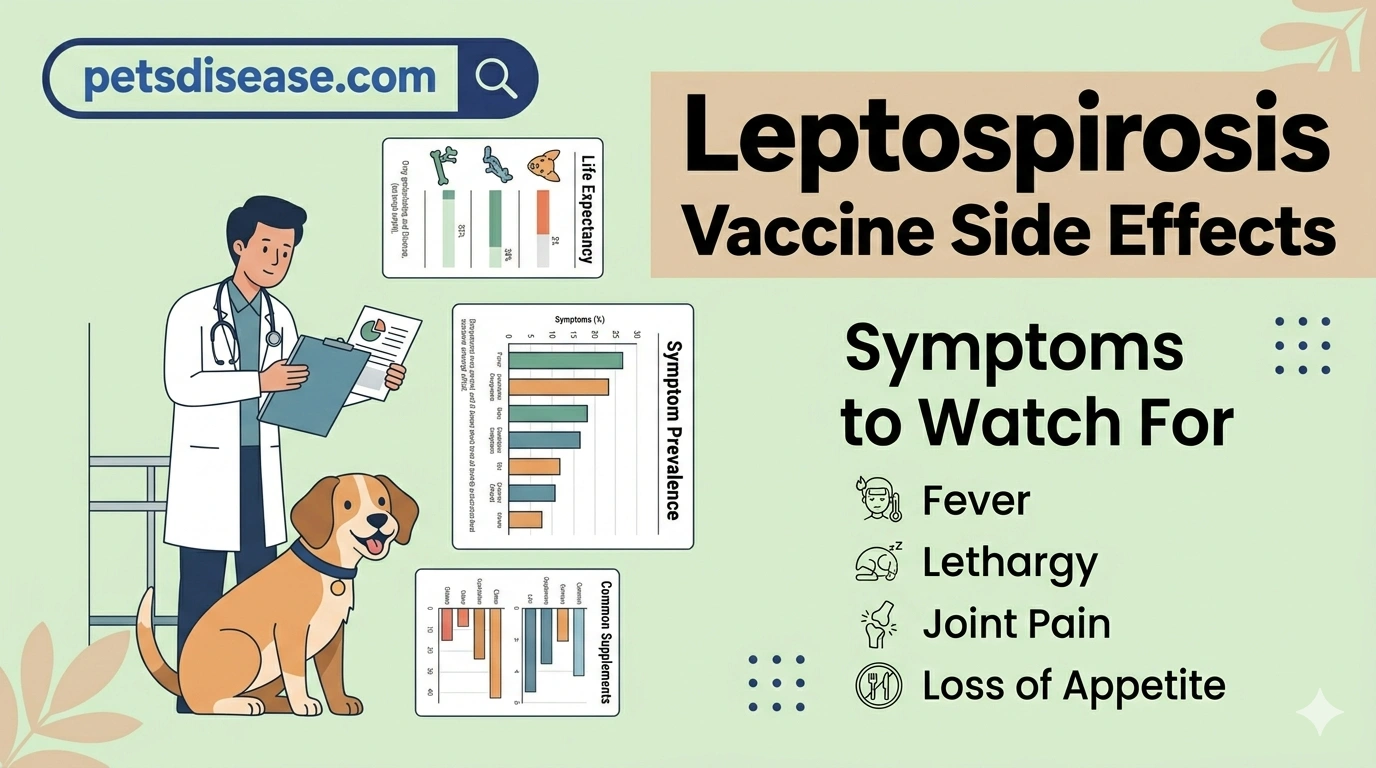
Many pet owners want to keep their dogs safe from serious diseases. Therefore, they often learn about vaccines and the protection they provide. At the same time, many people also want to understand leptospirosis vaccine side effects before making healthcare decisions for their pets. While most dogs handle vaccines very well, owners naturally want to know what reactions may happen after vaccination. As a result, learning about possible side effects can help pet owners feel more confident and prepared.
The good news is that most vaccine reactions are mild and temporary. In many cases, dogs may feel slightly tired or have mild soreness where the vaccine was given. However, these effects usually go away quickly without causing long-term problems. Furthermore, veterinarians carefully evaluate the benefits and risks of vaccination before making recommendations. Because of this, understanding leptospirosis vaccine side effects can help owners make informed choices based on facts rather than fear.
🐾 Pets Disease Dashboard
Select an animal to see diseases & symptoms
Many dog owners also wonder when they should contact a veterinarian after vaccination. Therefore, it is important to know the difference between common reactions and signs that need medical attention. In this guide, you will learn about leptospirosis vaccine side effects, common symptoms, possible risks, and ways to keep your dog comfortable after vaccination. Moreover, this information will help you better understand what to expect and how to support your pet’s health.
What Are the Most Common Leptospirosis Vaccine Side Effects in Dogs?
Understanding Common Reactions After Vaccination
Many dog owners want to know what reactions may happen after a vaccination. Therefore, understanding what are the most common leptospirosis vaccine side effects in dogs can help reduce worry and improve confidence. Most dogs handle vaccines very well and continue their normal activities shortly afterward. However, some dogs may experience mild tiredness, slight soreness at the injection site, or a temporary decrease in appetite. As a result, these mild reactions are often considered a normal sign that the immune system is responding.
In most cases, these reactions last only a short time and improve without treatment. Moreover, dogs often return to their usual behavior within a day or two. Consequently, veterinarians consider these reactions expected and manageable. Therefore, owners should monitor their pets while remaining calm and informed. Furthermore, providing a quiet place to rest can help support recovery.
Serious reactions are uncommon, but owners should still know what signs to watch for. In addition, veterinary guidance can help distinguish normal responses from unusual concerns. As a result, pet owners can feel more prepared and confident after vaccination. Therefore, leptospirosis vaccine side effects are usually mild and temporary for most healthy dogs.
Comparison Table: Common vs Less Common Reactions
| Reaction Type | Common Reactions | Less Common Reactions |
| Tiredness | Mild | Severe |
| Injection Site Soreness | Common | Significant Swelling |
| Appetite Changes | Temporary | Prolonged Loss |
| Activity Level | Slightly Reduced | Major Reduction |
| Recovery Time | Quick | Longer |
| Veterinary Attention | Usually Not Needed | May Be Needed |
| Frequency | Higher | Lower |
| Severity | Mild | Greater |
| Health Impact | Minimal | Moderate |
| Monitoring Needed | Basic | Close |
| Comfort Level | Slightly Affected | More Affected |
| Outcome | Positive | Requires Evaluation |
Leptospirosis Vaccine Side Effects: What Pet Owners Should Expect
Knowing What Happens After Vaccination
Pet owners often feel more comfortable when they know what to expect after a vaccine appointment. Therefore, understanding leptospirosis vaccine side effects: what pet owners should expect can help reduce uncertainty. Most dogs experience no serious problems after vaccination. Instead, they may show mild signs such as slight fatigue or temporary discomfort. As a result, owners can prepare for these short-term changes.
The immune system works hard after vaccination to build protection against disease. Moreover, this natural response may cause minor physical changes that disappear quickly. Consequently, most dogs continue eating, drinking, and resting normally. Therefore, mild symptoms are often part of the body’s healthy response to vaccination. Furthermore, veterinarians expect these reactions and often discuss them during appointments.
Owners should observe their dogs during the first few days after vaccination. In addition, they should contact a veterinarian if unusual symptoms appear. As a result, any concerns can be addressed quickly and appropriately. Therefore, understanding expected reactions helps create a positive vaccination experience.
Comparison Table: Expected vs Unexpected Reactions
| Factor | Expected Reactions | Unexpected Reactions |
| Energy Level | Mild Fatigue | Extreme Weakness |
| Appetite | Slight Change | Complete Refusal |
| Injection Area | Mild Soreness | Severe Swelling |
| Duration | Short | Extended |
| Activity | Slightly Reduced | Significantly Reduced |
| Recovery | Quick | Delayed |
| Monitoring | Basic | Close |
| Veterinary Contact | Usually Not Needed | Recommended |
| Comfort | Mildly Affected | Noticeably Affected |
| Frequency | Common | Rare |
| Risk Level | Low | Higher |
| Outcome | Positive | Requires Attention |
How Long Do Leptospirosis Vaccine Side Effects Last?
Typical Recovery Timeline
Many owners worry about how long post-vaccination reactions will continue. Therefore, understanding how long do leptospirosis vaccine side effects last can provide reassurance. Most mild reactions improve within a short period and do not interfere with daily life for long. As a result, dogs often return to normal routines quickly. Furthermore, each dog responds differently depending on age, health, and immune response.
Temporary tiredness or mild soreness usually fades naturally as the immune system completes its response. Moreover, providing rest and access to fresh water can support comfort during recovery. Consequently, most dogs recover without complications. Therefore, patience and observation are often all that is needed.
If symptoms continue longer than expected, owners should seek professional advice. In addition, veterinarians can determine whether further evaluation is necessary. As a result, dogs receive appropriate care if concerns arise. Therefore, most vaccine-related reactions remain short-lived and manageable.
Comparison Table: Short-Term vs Extended Symptoms
| Factor | Short-Term Symptoms | Extended Symptoms |
| Duration | Brief | Longer |
| Severity | Mild | Moderate |
| Energy Changes | Temporary | Persistent |
| Appetite Changes | Short | Ongoing |
| Veterinary Review | Usually Not Needed | Recommended |
| Recovery Speed | Fast | Slower |
| Health Impact | Minimal | Greater |
| Monitoring Need | Basic | Closer |
| Comfort Level | Mildly Reduced | More Affected |
| Frequency | Common | Less Common |
| Risk Level | Low | Higher |
| Outcome | Positive | Needs Evaluation |
Are Leptospirosis Vaccine Side Effects Dangerous for Dogs?
Evaluating Safety Concerns
Many pet owners ask whether vaccination side effects pose serious health risks. Therefore, understanding are leptospirosis vaccine side effects dangerous for dogs helps provide balanced information. Most reactions are mild and temporary rather than dangerous. As a result, veterinarians continue to recommend vaccination when appropriate. Furthermore, the benefits of disease prevention often outweigh the risk of short-term discomfort.
Vaccines undergo extensive evaluation before veterinary use. Moreover, healthcare professionals monitor vaccine safety and effectiveness closely. Consequently, serious reactions remain uncommon. Therefore, vaccination continues to play an important role in preventive canine healthcare. In addition, veterinary teams can answer questions and address individual concerns.
Owners should focus on recognizing unusual symptoms rather than fearing common reactions. Furthermore, prompt veterinary attention can help manage rare complications effectively. As a result, dogs receive timely care when needed. Therefore, understanding risks and benefits supports informed decision-making.
Comparison Table: Mild Reactions vs Serious Concerns
| Factor | Mild Reactions | Serious Concerns |
| Frequency | Common | Rare |
| Severity | Low | Higher |
| Recovery | Quick | May Require Care |
| Appetite Impact | Minor | Significant |
| Energy Impact | Mild | Greater |
| Veterinary Attention | Rarely Needed | Often Needed |
| Monitoring | Routine | Close |
| Comfort Level | Slightly Reduced | Noticeably Reduced |
| Risk Level | Low | Higher |
| Health Outcome | Positive | Variable |
| Duration | Brief | Longer |
| Overall Concern | Minimal | Greater |
Leptospirosis Vaccine Side Effects vs Normal Vaccine Reactions
Understanding the Difference
Many owners struggle to tell the difference between normal vaccine responses and true side effects. Therefore, understanding leptospirosis vaccine side effects vs normal vaccine reactions helps clarify expectations. Normal reactions usually include mild tiredness, slight soreness, or temporary behavioral changes. As a result, these responses often indicate that the immune system is working properly.
Normal vaccine responses typically improve without treatment and disappear quickly. Moreover, dogs continue eating, drinking, and behaving normally aside from minor temporary changes. Consequently, veterinarians consider these reactions a routine part of vaccination. Therefore, owners should not become alarmed when mild symptoms appear.
True side effects may involve stronger or longer-lasting symptoms that require professional attention. In addition, veterinarians can evaluate whether a reaction falls within normal expectations. As a result, owners gain peace of mind and accurate information. Therefore, understanding the difference helps improve confidence in preventive healthcare.
Comparison Table: Normal Reactions vs Side Effects
| Feature | Normal Reactions | Significant Side Effects |
| Severity | Mild | Greater |
| Duration | Short | Longer |
| Appetite Changes | Temporary | Persistent |
| Activity Level | Slightly Reduced | Significantly Reduced |
| Veterinary Care | Usually Not Needed | May Be Needed |
| Frequency | Common | Less Common |
| Health Impact | Minimal | More Noticeable |
| Recovery Time | Quick | Extended |
| Comfort Changes | Minor | Moderate |
| Monitoring | Basic | Closer |
| Risk Level | Low | Higher |
| Outcome | Positive | Requires Assessment |
Can Puppies Experience Different Leptospirosis Vaccine Side Effects?
Understanding Vaccine Reactions in Young Dogs
Many pet owners wonder whether puppies react differently to vaccines than adult dogs. Therefore, understanding can puppies experience different leptospirosis vaccine side effects helps owners prepare for their puppy’s healthcare journey. Puppies have developing immune systems, so they may show mild reactions such as temporary tiredness or slight discomfort after vaccination. However, these responses are often normal and short-lived. As a result, veterinarians continue to recommend vaccination as an important part of preventive care.
Young dogs may be more sensitive to new experiences, including veterinary visits and vaccinations. Moreover, puppies sometimes appear less active for a short period after receiving a vaccine. Consequently, owners may notice small changes in behavior that improve quickly. Therefore, providing a calm environment and plenty of rest can support recovery. Furthermore, most puppies return to their normal playful behavior within a short time.
Veterinarians carefully evaluate each puppy before administering vaccines. In addition, they monitor vaccination schedules to ensure safe and effective protection. As a result, most puppies tolerate vaccination very well. Therefore, leptospirosis vaccine side effects in puppies are usually mild and manageable when proper veterinary guidance is followed.
Comparison Table: Puppies vs Adult Dogs After Vaccination
| Factor | Puppies | Adult Dogs |
| Immune Development | Still Growing | Fully Developed |
| Energy Changes | More Noticeable | Usually Mild |
| Recovery Time | Quick | Quick |
| Appetite Changes | Possible | Possible |
| Monitoring Needs | Higher | Moderate |
| Veterinary Follow-Up | Important | Important |
| Comfort Needs | Greater | Moderate |
| Stress Sensitivity | Higher | Lower |
| Common Reactions | Mild | Mild |
| Serious Reactions | Rare | Rare |
| Activity Changes | Temporary | Temporary |
| Overall Safety | High | High |
When Should You Call a Vet About Leptospirosis Vaccine Side Effects?
Knowing When Professional Help Is Needed
Most vaccine reactions are mild, but owners should know when professional advice is appropriate. Therefore, understanding when should you call a vet about leptospirosis vaccine side effects can help protect your dog’s health. Mild tiredness or temporary soreness usually does not require medical attention. However, unusual or severe symptoms should never be ignored. As a result, recognizing warning signs can help ensure timely care.
Owners should pay attention to symptoms that seem stronger than expected or that continue for an extended period. Moreover, sudden changes in breathing, severe swelling, or significant weakness deserve prompt veterinary evaluation. Consequently, early intervention may help prevent complications. Therefore, contacting a veterinarian when concerns arise is always a responsible decision.
Veterinary professionals can determine whether symptoms represent a normal vaccine response or something more serious. In addition, they can provide guidance that matches your dog’s specific needs. As a result, owners gain reassurance and accurate information. Therefore, monitoring your pet closely after vaccination remains an important part of responsible care.
Comparison Table: Monitor at Home vs Contact a Vet
| Situation | Monitor at Home | Contact a Vet |
| Mild Tiredness | Yes | No |
| Minor Soreness | Yes | No |
| Temporary Appetite Change | Yes | Sometimes |
| Severe Weakness | No | Yes |
| Breathing Problems | No | Yes |
| Significant Swelling | No | Yes |
| Prolonged Symptoms | No | Yes |
| Mild Behavior Change | Yes | Sometimes |
| Normal Recovery | Yes | No |
| Sudden Illness | No | Yes |
| Mild Discomfort | Yes | No |
| Serious Concern | No | Yes |
How to Help Your Dog Recover From Leptospirosis Vaccine Side Effects
Supporting Comfort After Vaccination
Many owners want to know how they can help their pets feel better after receiving a vaccine. Therefore, understanding how to help your dog recover from leptospirosis vaccine side effects can make the recovery process smoother. Most dogs benefit from a quiet environment, fresh water, and plenty of rest. As a result, they often recover quickly and comfortably. Furthermore, reducing unnecessary activity can help support healing.
Owners should observe their dog’s behavior and ensure that normal eating and drinking habits continue. Moreover, gentle attention and a familiar routine can help reduce stress. Consequently, many dogs return to their normal energy levels within a short period. Therefore, simple home care measures often provide all the support needed.
If symptoms seem unusual or continue longer than expected, veterinary guidance is recommended. In addition, professionals can offer personalized advice based on the dog’s health status. As a result, owners can feel more confident about the recovery process. Therefore, proper care and observation contribute to a positive vaccination experience.
Comparison Table: Helpful Recovery Practices
| Recovery Practice | Benefit |
| Rest | Supports Healing |
| Fresh Water | Maintains Hydration |
| Quiet Environment | Reduces Stress |
| Monitoring Behavior | Detects Concerns |
| Regular Routine | Provides Comfort |
| Balanced Nutrition | Supports Wellness |
| Veterinary Guidance | Provides Reassurance |
| Limited Activity | Encourages Recovery |
| Observation | Promotes Safety |
| Comfortable Rest Area | Improves Relaxation |
| Consistent Care | Supports Recovery |
| Health Awareness | Improves Outcomes |
Do the Benefits Outweigh the Risks of Leptospirosis Vaccine Side Effects?
Weighing Risks and Rewards
Many dog owners carefully compare vaccine benefits and possible risks before making healthcare decisions. Therefore, understanding do the benefits outweigh the risks of leptospirosis vaccine side effects is an important part of responsible pet ownership. Vaccination helps protect against a potentially serious bacterial disease that can affect multiple organs. As a result, many veterinarians consider vaccination an effective preventive measure.
Most side effects remain mild, temporary, and manageable. Moreover, serious reactions occur far less frequently than the disease itself. Consequently, many experts believe that the protective benefits of vaccination often exceed the risk of short-term discomfort. Therefore, vaccination remains a common recommendation in preventive veterinary medicine.
Each dog has unique healthcare needs, so decisions should always involve professional guidance. In addition, veterinarians evaluate lifestyle, exposure risk, and medical history before making recommendations. As a result, owners can make informed choices that support long-term health. Therefore, balancing benefits and risks helps create a thoughtful healthcare plan.
Comparison Table: Benefits vs Risks
| Factor | Benefits | Risks |
| Disease Protection | High | None |
| Immune Support | Strong | Temporary Reactions |
| Long-Term Health | Improved | Minimal Impact |
| Veterinary Approval | High | Low Concern |
| Recovery Potential | Better | Mild Discomfort |
| Disease Prevention | Significant | Temporary Effects |
| Health Security | Greater | Minor Risk |
| Wellness Support | Strong | Limited |
| Risk Reduction | High | Low |
| Comfort Impact | Positive Long-Term | Short-Term |
| Protection Value | High | Low |
| Overall Outcome | Favorable | Minimal Concern |
Leptospirosis Vaccine Side Effects: Myths, Facts, and Safety Tips
Separating Facts From Misconceptions
Many pet owners encounter conflicting information about vaccines. Therefore, understanding leptospirosis vaccine side effects: myths, facts, and safety tips helps separate reliable information from common misunderstandings. One common myth suggests that all dogs experience severe reactions after vaccination. However, most dogs experience only mild and temporary symptoms. As a result, accurate information helps owners make informed decisions.
Another misconception is that vaccines are unnecessary if a dog appears healthy. Moreover, preventive healthcare works best before exposure to disease occurs. Consequently, vaccination remains an important strategy for reducing health risks. Therefore, understanding the purpose of vaccination can help owners appreciate its value.
Owners should rely on trusted veterinary sources when researching healthcare topics. In addition, asking questions during veterinary visits can provide personalized answers and peace of mind. As a result, families can make decisions based on facts rather than fear. Therefore, education and professional guidance remain key components of responsible pet care.
Comparison Table: Myths vs Facts
| Myth | Fact |
| All Dogs Have Severe Reactions | Most Reactions Are Mild |
| Vaccines Are Unnecessary | Vaccines Help Prevent Disease |
| Side Effects Always Last Long | Most Resolve Quickly |
| Healthy Dogs Need No Protection | Prevention Remains Important |
| Vaccines Are Unsafe | Vaccines Are Carefully Evaluated |
| Mild Symptoms Mean Something Is Wrong | Mild Symptoms Are Often Normal |
| Recovery Is Difficult | Recovery Is Usually Quick |
| Vaccines Cause Disease | Vaccines Help Prevent Disease |
| Veterinary Advice Is Optional | Professional Guidance Is Valuable |
| Prevention Has Little Value | Prevention Supports Long-Term Health |
| Reactions Are Commonly Serious | Serious Reactions Are Rare |
| Vaccination Is Riskier Than Disease | Disease Often Poses Greater Risk |
Conclusion
Understanding leptospirosis vaccine side effects can help dog owners make informed and confident decisions about their pet’s health. While it is natural to feel concerned about possible reactions, most dogs experience only mild and temporary symptoms after vaccination. In fact, slight tiredness, mild soreness, or short-term changes in appetite often go away quickly without causing serious problems. Therefore, pet owners should focus on monitoring their dogs and following veterinary advice rather than worrying about uncommon complications.
At the same time, the benefits of vaccination often outweigh the risks because leptospirosis can be a serious disease that affects important organs and overall well-being. Furthermore, regular veterinary checkups, proper vaccination schedules, and early attention to unusual symptoms can help keep dogs healthy and protected. As a result, owners can enjoy greater peace of mind knowing they are taking proactive steps for their pet’s safety. Ultimately, understanding the facts about leptospirosis vaccine side effects helps create a safer and healthier future for every dog.
FAQs
What are the most common leptospirosis vaccine side effects in dogs?
The most common side effects include mild tiredness, slight soreness at the injection site, and temporary loss of appetite. These reactions usually disappear within a short time without treatment. Furthermore, most dogs recover quickly and return to their normal routine. Serious side effects are uncommon, but owners should continue to monitor their pets after vaccination.
How long do leptospirosis vaccine side effects usually last?
Most mild vaccine reactions last for a short period and improve naturally. Dogs may feel tired or less active for a brief time after vaccination. However, symptoms usually resolve quickly. If a dog continues to show signs of discomfort or illness longer than expected, a veterinarian should evaluate the situation.
Are leptospirosis vaccine side effects dangerous?
In most cases, side effects are mild and not dangerous. Temporary discomfort, slight swelling, or reduced activity are common reactions. However, severe symptoms such as breathing difficulties or significant swelling require immediate veterinary attention. Fortunately, serious reactions occur rarely, and most dogs tolerate the vaccine very well.
Can puppies have stronger vaccine side effects than adult dogs?
Puppies may sometimes appear more sensitive because their immune systems are still developing. However, most puppies experience only mild and temporary reactions similar to adult dogs. Furthermore, veterinarians carefully follow vaccination guidelines to ensure safety. Therefore, vaccination remains an important part of a puppy’s preventive healthcare plan.
Should I worry if my dog sleeps more after vaccination?
Extra rest after vaccination is often a normal response. The immune system works to build protection, and some dogs may feel tired for a short period. However, if extreme weakness or unusual symptoms develop, owners should contact a veterinarian. In most situations, increased sleep is temporary and expected.
Can the leptospirosis vaccine cause allergic reactions?
Although uncommon, allergic reactions can occur after any vaccine. Symptoms may include swelling, itching, breathing problems, or sudden weakness. Therefore, owners should observe their dogs after vaccination and seek veterinary care if concerning symptoms appear. Most dogs do not experience allergic reactions and recover without complications.
When should I call a veterinarian about vaccine side effects?
Owners should contact a veterinarian if symptoms appear severe, worsen over time, or seem unusual. Breathing difficulties, major swelling, severe weakness, or ongoing illness deserve professional attention. Furthermore, early evaluation can help address concerns quickly. When in doubt, consulting a veterinarian is always a safe choice.
Do all dogs experience leptospirosis vaccine side effects?
No, many dogs show no noticeable side effects after vaccination. Others may experience mild reactions that disappear quickly. Furthermore, each dog responds differently based on age, health, and immune function. Therefore, the absence or presence of mild symptoms can vary from one dog to another.
Can I help my dog feel better after vaccination?
Yes, simple care measures can support recovery. Provide fresh water, allow plenty of rest, and maintain a calm environment. In addition, avoid unnecessary physical activity if your dog seems tired. Most dogs recover naturally with basic comfort and observation. Veterinary advice is recommended if concerns arise.
Do the benefits of the vaccine outweigh the side effects?
For many dogs, the benefits outweigh the risks because the vaccine helps protect against a potentially serious bacterial disease. Most side effects are mild and temporary, while leptospirosis can cause severe health problems. Therefore, veterinarians often recommend vaccination as part of a comprehensive preventive healthcare program.