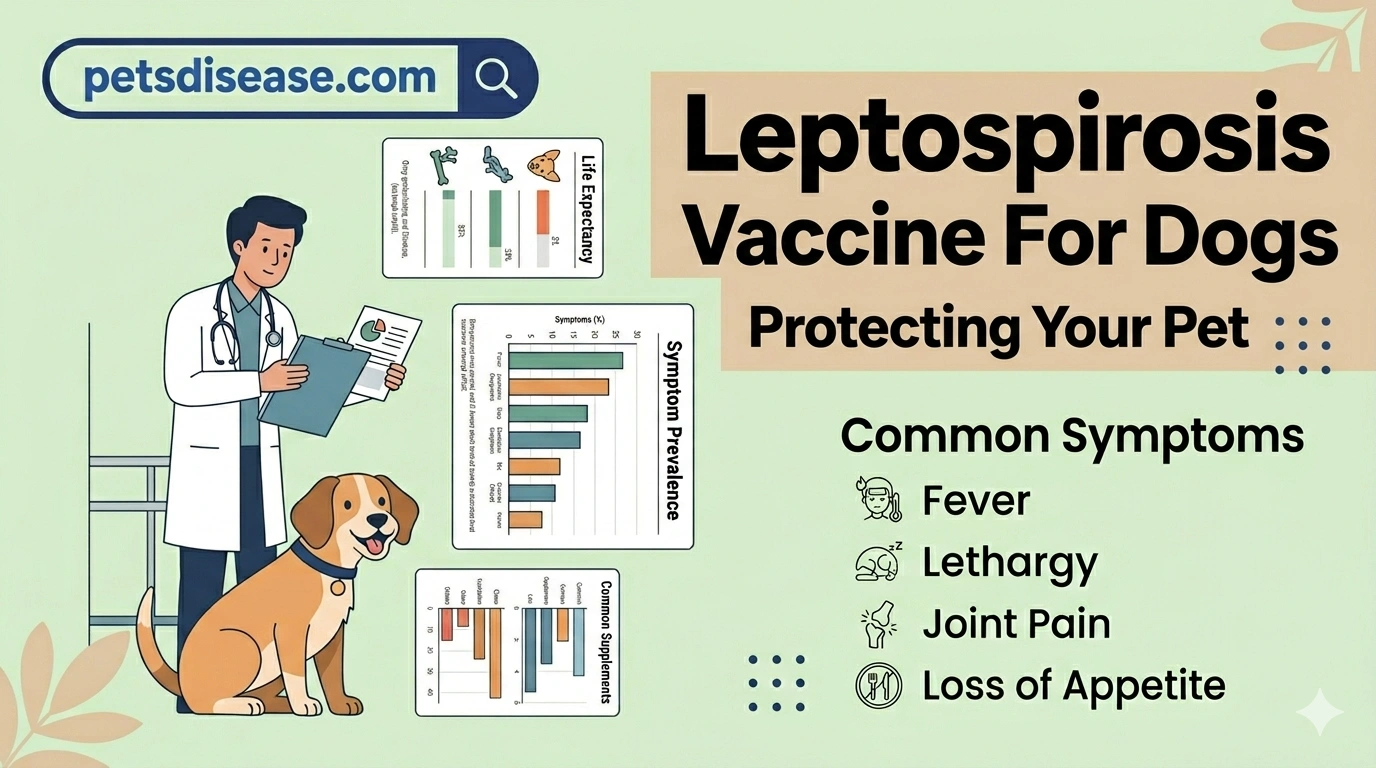
Many dog owners want to keep their pets healthy and safe from serious diseases. Therefore, they often search for information about the leptospirosis vaccine for dogs. Leptospirosis is a bacterial infection that can affect a dog’s kidneys, liver, and overall health. Moreover, dogs can come into contact with the bacteria through contaminated water, soil, or infected animals. Because of this, many veterinarians recommend vaccination as an important part of preventive care.
Understanding how the leptospirosis vaccine for dogs works can help pet owners make informed decisions. In addition, the vaccine helps the immune system recognize and fight harmful bacteria before they cause illness. As a result, vaccinated dogs have a better chance of staying healthy if they are exposed to the infection. Furthermore, early protection can help reduce the risk of severe health problems. Therefore, learning about this vaccine is an important step for responsible dog ownership.
🐾 Pets Disease Dashboard
Select an animal to see diseases & symptoms
Many pet owners also wonder if their dog needs this vaccine and whether it is safe and effective. However, the answer often depends on a dog’s lifestyle, environment, and exposure risk. Therefore, it is important to understand the benefits, possible side effects, and vaccination schedule. In this guide, you will learn everything you need to know about the leptospirosis vaccine for dogs in a simple, easy-to-understand way so you can make the best choice for your furry friend.
What Is the Leptospirosis Vaccine for Dogs and How Does It Work?
Understanding the Purpose of the Vaccine
Many pet owners want to know how vaccines help protect their dogs from dangerous diseases. Therefore, understanding what is the leptospirosis vaccine for dogs and how does it work can help owners make informed healthcare decisions. Leptospirosis is a bacterial infection that can affect important organs such as the kidneys and liver. As a result, veterinarians often recommend preventive vaccination for dogs that may face exposure risks. Furthermore, the vaccine helps the immune system recognize harmful bacteria before infection develops. Consequently, the body can respond more effectively when exposure occurs.
The immune system learns to identify and fight disease-causing bacteria after vaccination. Moreover, the body creates protective antibodies that remain ready to respond in the future. As a result, vaccinated dogs often have a lower risk of severe illness. Therefore, preventive healthcare becomes more effective when vaccination is included in a dog’s wellness plan. In addition, regular veterinary visits help ensure ongoing protection.
Many dog owners choose vaccination because prevention is often safer and easier than treating a serious infection. Furthermore, leptospirosis can lead to significant health complications if left untreated. Consequently, reducing the chance of infection becomes an important goal. Therefore, the leptospirosis vaccine for dogs remains a valuable tool for supporting long-term canine health.
Comparison Table: How Vaccination Supports Protection
| Feature | Vaccinated Dogs | Unvaccinated Dogs |
| Immune Preparation | Strong | Limited |
| Disease Protection | Better | Lower |
| Exposure Readiness | High | Low |
| Preventive Care | Strong | Reduced |
| Risk of Severe Illness | Lower | Higher |
| Veterinary Recommendation | Common | Less Common |
| Health Security | Better | Lower |
| Recovery Support | Improved | Reduced |
| Long-Term Wellness | Stronger | Weaker |
| Disease Awareness | Higher | Lower |
| Infection Defense | Better | Limited |
| Overall Protection | Greater | Reduced |
Why Is the Leptospirosis Vaccine for Dogs Important?
Protecting Dogs From Serious Disease
Many pet owners ask why this vaccine receives so much attention from veterinarians. Therefore, understanding why is the leptospirosis vaccine for dogs important helps explain its role in preventive healthcare. Dogs can encounter harmful bacteria in contaminated water, soil, and environments visited by wildlife. As a result, exposure may happen during normal daily activities. Furthermore, many owners may not realize their pets have been exposed until symptoms appear.
Leptospirosis can affect multiple organs and may cause severe illness if treatment is delayed. Moreover, some cases require intensive veterinary care and extended recovery periods. Consequently, prevention becomes one of the most effective ways to reduce health risks. Therefore, vaccination helps support better outcomes and improved overall wellness.
Another important factor involves community health. In addition, leptospirosis can affect both animals and humans. As a result, reducing infection rates among dogs may help lower broader public health concerns. Therefore, responsible vaccination benefits not only pets but also the people who care for them.
Comparison Table: Importance of Vaccination
| Factor | Vaccinated Dogs | Unvaccinated Dogs |
| Disease Risk | Lower | Higher |
| Preventive Support | Strong | Limited |
| Health Stability | Better | Reduced |
| Organ Protection | Greater | Lower |
| Veterinary Confidence | High | Moderate |
| Recovery Outlook | Better | Less Favorable |
| Community Health Benefit | Greater | Lower |
| Wellness Maintenance | Strong | Weaker |
| Exposure Management | Better | Reduced |
| Disease Preparedness | Higher | Lower |
| Long-Term Health | Improved | Less Predictable |
| Overall Safety | Better | Lower |
Leptospirosis Vaccine for Dogs: Benefits Every Pet Owner Should Know
Key Advantages of Preventive Vaccination
Every responsible dog owner wants to protect their pet from avoidable diseases. Therefore, understanding leptospirosis vaccine for dogs: benefits every pet owner should know can help simplify healthcare decisions. One of the biggest advantages is stronger protection against a potentially serious bacterial infection. As a result, vaccinated dogs often face lower risks of severe complications. Furthermore, preventive care helps reduce future health concerns.
Vaccination also supports a stronger immune response if exposure occurs. Moreover, the immune system can react more quickly because it has already learned to recognize harmful bacteria. Consequently, dogs may experience milder illness and better recovery outcomes. Therefore, vaccination remains one of the most effective preventive healthcare measures available.
Another benefit involves peace of mind for pet owners. In addition, knowing that a dog has additional protection can reduce stress about outdoor activities and environmental exposure. As a result, owners can feel more confident while supporting their pet’s health. Therefore, the leptospirosis vaccine for dogs offers benefits that extend beyond disease prevention alone.
Comparison Table: Benefits of Vaccination
| Benefit Area | With Vaccination | Without Vaccination |
| Disease Prevention | Better | Lower |
| Immune Support | Strong | Limited |
| Health Protection | Greater | Reduced |
| Recovery Potential | Better | Lower |
| Preventive Value | High | Moderate |
| Exposure Readiness | Better | Reduced |
| Wellness Support | Strong | Limited |
| Veterinary Approval | High | Moderate |
| Long-Term Health | Improved | Less Predictable |
| Family Confidence | Higher | Lower |
| Risk Reduction | Greater | Reduced |
| Overall Protection | Stronger | Weaker |
Is the Leptospirosis Vaccine for Dogs Necessary for All Dogs?
Evaluating Individual Risk Factors
Many dog owners wonder whether every dog needs this vaccine. Therefore, understanding is the leptospirosis vaccine for dogs necessary for all dogs helps answer a common concern. The answer often depends on lifestyle, environment, travel habits, and local disease prevalence. As a result, some dogs may face greater exposure risks than others. Furthermore, veterinarians evaluate these factors when recommending preventive care.
Dogs that spend time outdoors frequently may encounter contaminated water sources, wildlife, or infected environments. Moreover, rural and suburban areas sometimes present additional opportunities for exposure. Consequently, vaccination may provide greater benefits for these pets. Therefore, understanding a dog’s daily activities is important when making healthcare decisions.
Even indoor dogs may not be completely free from risk. In addition, disease exposure can occur in unexpected ways. As a result, veterinarians often recommend discussing individual circumstances before deciding. Therefore, personalized veterinary guidance remains the best approach for determining whether vaccination is appropriate.
Comparison Table: Higher-Risk vs Lower-Risk Dogs
| Factor | Higher-Risk Dogs | Lower-Risk Dogs |
| Outdoor Exposure | Frequent | Limited |
| Wildlife Contact | Higher | Lower |
| Water Exposure | Common | Rare |
| Infection Risk | Higher | Lower |
| Preventive Need | Greater | Moderate |
| Veterinary Recommendation | Strong | Case Dependent |
| Environmental Risk | Elevated | Reduced |
| Disease Preparedness | Important | Moderate |
| Monitoring Needs | Higher | Lower |
| Health Planning | Essential | Important |
| Protection Benefit | High | Variable |
| Wellness Value | Greater | Moderate |
Leptospirosis Vaccine for Dogs Side Effects: What Should You Expect?
Understanding Common Vaccine Reactions
Many pet owners want to understand possible reactions before scheduling vaccination. Therefore, learning about leptospirosis vaccine for dogs side effects: what should you expect helps reduce uncertainty. Most dogs tolerate vaccination very well and experience little to no discomfort. As a result, veterinarians continue to recommend vaccination when appropriate. Furthermore, serious reactions remain uncommon.
Some dogs may experience temporary tiredness, mild soreness at the injection site, or a slight decrease in appetite. Moreover, these reactions usually improve within a short time. Consequently, most dogs return to their normal routines quickly. Therefore, mild reactions are generally considered a normal part of the immune response.
Veterinarians can help owners understand what to monitor after vaccination. In addition, professional guidance provides reassurance and supports informed decision-making. As a result, owners feel more confident about protecting their pets. Therefore, the benefits of vaccination generally outweigh the risk of temporary side effects.
Comparison Table: Mild vs Serious Reactions
| Reaction Type | Mild Reactions | Serious Reactions |
| Frequency | More Common | Rare |
| Duration | Short-Term | Longer |
| Energy Level | Slightly Reduced | Significantly Reduced |
| Appetite Changes | Temporary | Persistent |
| Veterinary Care | Usually Not Needed | May Be Needed |
| Comfort Impact | Minor | Greater |
| Recovery Time | Quick | Extended |
| Monitoring Need | Basic | Close |
| Health Impact | Minimal | More Significant |
| Daily Activity | Slightly Affected | Noticeably Affected |
| Severity | Mild | Higher |
| Outcome | Positive | Requires Evaluation |
How Effective Is the Leptospirosis Vaccine for Dogs?
Understanding Vaccine Protection
Many dog owners want to know how well a vaccine can protect their pets from disease. Therefore, understanding how effective is the leptospirosis vaccine for dogs helps owners make informed healthcare decisions. Vaccination prepares the immune system to recognize harmful bacteria before exposure occurs. As a result, vaccinated dogs often have a lower risk of developing severe illness. Furthermore, preventive care provides an extra layer of protection that supports overall health and wellness.
The vaccine helps the body create antibodies that can respond more quickly if bacteria enter the system. Moreover, a faster immune response may reduce the severity of illness and improve recovery outcomes. Consequently, vaccinated dogs often experience better health protection than dogs that have not received preventive vaccination. Therefore, many veterinarians recommend vaccination as part of a comprehensive healthcare plan.
Although no vaccine can guarantee complete protection in every situation, vaccination significantly reduces health risks. In addition, factors such as age, overall health, and environmental exposure can influence results. As a result, combining vaccination with routine veterinary care provides stronger overall protection. Therefore, the leptospirosis vaccine for dogs remains one of the most effective tools available for disease prevention.
Comparison Table: Vaccinated vs Unvaccinated Dogs
| Factor | Vaccinated Dogs | Unvaccinated Dogs |
| Immune Readiness | High | Low |
| Disease Protection | Stronger | Weaker |
| Risk of Severe Illness | Lower | Higher |
| Recovery Potential | Better | Reduced |
| Preventive Support | Strong | Limited |
| Exposure Response | Faster | Slower |
| Veterinary Confidence | Higher | Lower |
| Long-Term Wellness | Better | Reduced |
| Health Stability | Greater | Lower |
| Disease Preparedness | Strong | Limited |
| Wellness Support | Improved | Reduced |
| Overall Protection | Greater | Lower |
When Should Puppies Get the Leptospirosis Vaccine for Dogs?
Choosing the Right Time for Protection
Many new pet owners wonder when puppies should begin receiving preventive vaccinations. Therefore, understanding when should puppies get the leptospirosis vaccine for dogs helps ensure proper healthcare planning. Puppies have developing immune systems, so early protection plays an important role in disease prevention. As a result, veterinarians create vaccination schedules designed to provide protection during critical growth stages. Furthermore, following professional guidance helps puppies receive timely healthcare.
The ideal vaccination timing can depend on several factors, including age, health status, and environmental risks. Moreover, veterinarians evaluate each puppy individually before recommending a vaccination schedule. Consequently, personalized care helps maximize protection while supporting healthy development. Therefore, routine wellness visits remain essential throughout puppyhood.
Pet owners should maintain regular communication with their veterinarian regarding vaccination needs. In addition, keeping accurate health records helps ensure puppies stay on schedule. As a result, young dogs receive consistent protection during important developmental stages. Therefore, early preventive care supports lifelong health and wellness.
Comparison Table: Early Vaccination vs Delayed Vaccination
| Factor | Early Vaccination | Delayed Vaccination |
| Disease Protection | Earlier | Later |
| Exposure Risk | Lower | Higher |
| Immune Preparation | Faster | Delayed |
| Preventive Benefit | Greater | Reduced |
| Health Security | Better | Lower |
| Wellness Support | Stronger | Weaker |
| Veterinary Guidance | Followed | Interrupted |
| Risk Management | Better | Reduced |
| Disease Readiness | Higher | Lower |
| Long-Term Benefits | Greater | Reduced |
| Healthcare Planning | Consistent | Inconsistent |
| Overall Protection | Better | Lower |
Leptospirosis Vaccine for Dogs Schedule and Booster Requirements
Why Booster Vaccinations Matter
Many owners assume one vaccination provides lifelong protection. However, understanding leptospirosis vaccine for dogs schedule and booster requirements helps explain why ongoing preventive care remains important. Vaccines often require booster doses to maintain strong immunity over time. As a result, veterinarians recommend follow-up vaccinations based on established healthcare guidelines. Furthermore, staying current with boosters helps support long-term disease protection.
The immune system benefits from periodic reinforcement through booster vaccinations. Moreover, booster doses help maintain protective antibody levels that may decline naturally over time. Consequently, dogs remain better prepared to respond if exposure occurs. Therefore, booster vaccinations play an important role in comprehensive canine healthcare.
Regular veterinary visits help owners stay informed about changing healthcare needs. In addition, veterinarians can adjust recommendations based on age, lifestyle, and health conditions. As a result, dogs receive personalized care that supports long-term wellness. Therefore, keeping vaccination records updated remains an important responsibility for pet owners.
Comparison Table: Current Vaccination vs Missed Boosters
| Factor | Current Vaccination | Missed Boosters |
| Immune Protection | Strong | Reduced |
| Disease Defense | Better | Lower |
| Antibody Support | Maintained | Declines |
| Preventive Care | Complete | Incomplete |
| Exposure Readiness | High | Reduced |
| Long-Term Protection | Better | Lower |
| Health Stability | Greater | Reduced |
| Veterinary Recommendation | Followed | Missed |
| Wellness Support | Strong | Limited |
| Risk Management | Better | Weaker |
| Disease Preparedness | Higher | Lower |
| Overall Protection | Greater | Reduced |
Can Dogs Still Get Sick After Receiving the Leptospirosis Vaccine for Dogs?
Understanding Breakthrough Infections
Many dog owners wonder whether vaccination completely eliminates the possibility of illness. Therefore, understanding can dogs still get sick after receiving the leptospirosis vaccine for dogs helps create realistic expectations. While vaccination provides strong protection, no vaccine can guarantee complete immunity in every circumstance. As a result, some vaccinated dogs may still become infected. However, vaccination usually helps reduce the severity of disease.
Vaccinated dogs often have immune systems that can respond more quickly to infection. Furthermore, this faster response may help reduce symptoms and support a smoother recovery process. Consequently, dogs often experience milder illness compared to unvaccinated animals. Therefore, vaccination continues to provide valuable health benefits even when infection occurs.
Several factors can influence protection, including immune response, exposure level, and overall health condition. Moreover, veterinarians recommend combining vaccination with other preventive measures. As a result, dogs receive stronger protection against potential health threats. Therefore, a complete preventive healthcare strategy remains the best approach.
Comparison Table: Outcomes After Exposure
| Factor | Vaccinated Dogs | Unvaccinated Dogs |
| Infection Risk | Lower | Higher |
| Symptom Severity | Often Milder | Often More Severe |
| Immune Response | Faster | Slower |
| Recovery Outlook | Better | Reduced |
| Disease Complications | Less Likely | More Likely |
| Veterinary Outcome | Better | Less Favorable |
| Health Stability | Stronger | Weaker |
| Preventive Support | Greater | Lower |
| Long-Term Health | Better | Increased Risk |
| Disease Defense | Stronger | Reduced |
| Wellness Support | Greater | Lower |
| Overall Protection | Better | Weaker |
How to Protect Your Dog Beyond the Leptospirosis Vaccine for Dogs
Building a Complete Prevention Plan
Vaccination provides important protection, but additional preventive measures can further support your dog’s health. Therefore, understanding how to protect your dog beyond the leptospirosis vaccine for dogs helps create a more complete healthcare strategy. Good hygiene, regular veterinary visits, and environmental awareness all contribute to disease prevention. As a result, dogs benefit from stronger overall protection.
Owners can reduce exposure risks by limiting contact with potentially contaminated water sources and areas frequented by wildlife. Moreover, maintaining a clean environment helps decrease opportunities for harmful bacteria to spread. Consequently, simple daily habits can make a significant difference. Therefore, prevention should involve both vaccination and responsible care practices.
Routine wellness examinations also play a critical role in long-term health management. In addition, veterinarians can provide personalized recommendations based on lifestyle and local disease risks. As a result, dogs receive tailored healthcare that addresses their unique needs. Therefore, combining multiple preventive strategies offers the strongest protection possible.
Comparison Table: Basic Care vs Comprehensive Prevention
| Prevention Factor | Basic Care | Comprehensive Prevention |
| Vaccination | Included | Included |
| Veterinary Visits | Occasional | Regular |
| Hygiene Practices | Basic | Thorough |
| Environmental Control | Limited | Strong |
| Disease Monitoring | Minimal | Active |
| Risk Reduction | Moderate | Greater |
| Exposure Management | Basic | Careful |
| Wellness Planning | Limited | Detailed |
| Early Detection | Less Likely | More Likely |
| Health Awareness | Moderate | High |
| Long-Term Protection | Moderate | Strong |
| Overall Health Support | Standard | Enhanced |
Conclusion
The leptospirosis vaccine for dogs is an important tool for protecting pets from a potentially serious bacterial disease. Throughout this guide, we discussed how the vaccine works, why it is important, its benefits, possible side effects, effectiveness, and ways to support your dog’s health beyond vaccination. While no vaccine can provide complete protection in every situation, vaccination can greatly reduce the risk of severe illness and help improve overall health outcomes. Therefore, many veterinarians recommend it as part of a complete preventive healthcare plan.
In addition, responsible pet ownership includes regular veterinary checkups, proper hygiene, a healthy diet, and awareness of environmental risks. Furthermore, combining vaccination with daily preventive habits creates stronger protection and greater peace of mind. As a result, dogs can enjoy a healthier, happier, and more active life. Ultimately, discussing your dog’s lifestyle and healthcare needs with a veterinarian can help you make the best decision. Taking preventive steps today can help safeguard your beloved companion for many years to come.
FAQs
What is the leptospirosis vaccine for dogs?
The leptospirosis vaccine for dogs helps protect against a bacterial infection that can affect the kidneys, liver, and other organs. The vaccine trains the immune system to recognize harmful bacteria before infection occurs. As a result, vaccinated dogs often have a lower risk of severe illness and related complications.
Why is the leptospirosis vaccine for dogs important?
This vaccine helps reduce the risk of a potentially serious disease that dogs can encounter through contaminated water, soil, or infected animals. Furthermore, leptospirosis can lead to severe health problems if left untreated. Therefore, vaccination plays an important role in preventive healthcare and long-term wellness.
Is the leptospirosis vaccine for dogs required?
Requirements vary depending on location, veterinary recommendations, and individual risk factors. However, many veterinarians recommend the vaccine for dogs that spend time outdoors or may encounter wildlife and contaminated environments. Therefore, discussing your dog’s lifestyle with a veterinarian is the best approach.
At what age should puppies receive the leptospirosis vaccine?
Puppies usually receive vaccinations according to a veterinarian-approved schedule. The timing depends on age, health condition, and risk of exposure. Furthermore, early vaccination helps provide protection during important developmental stages. Therefore, pet owners should follow professional veterinary guidance for the best results.
How effective is the leptospirosis vaccine for dogs?
The vaccine helps prepare the immune system to respond more effectively if exposure occurs. Although no vaccine offers complete protection, vaccination significantly reduces the risk of severe illness. Therefore, it remains one of the most effective preventive measures available for many dogs.
Can vaccinated dogs still get leptospirosis?
Yes, infection can still occur in some cases. However, vaccinated dogs often experience milder symptoms and better recovery outcomes than unvaccinated dogs. Furthermore, the immune system can respond more quickly after exposure. Therefore, vaccination still provides valuable protection even when infection is not fully prevented.
What are the common side effects of the leptospirosis vaccine for dogs?
Most side effects are mild and temporary. Some dogs may experience slight tiredness, minor soreness, or a temporary decrease in appetite. However, these reactions usually resolve quickly without treatment. Therefore, serious side effects are considered uncommon.
How often does a dog need a leptospirosis vaccine?
Vaccination schedules vary depending on veterinary recommendations and local disease risks. In addition, booster vaccinations may be necessary to maintain protection over time. Therefore, regular veterinary visits help ensure that dogs remain up to date with preventive healthcare.
Can indoor dogs benefit from the leptospirosis vaccine?
Yes, indoor dogs may still face some exposure risks through outdoor walks, shared environments, or indirect contact with contaminated areas. Furthermore, disease exposure can occur unexpectedly. Therefore, vaccination may still be beneficial depending on individual circumstances and local risk levels.
How can I protect my dog in addition to vaccination?
Owners can reduce risks by providing clean drinking water, maintaining good hygiene, avoiding potentially contaminated areas, and scheduling routine veterinary visits. Furthermore, monitoring your dog’s health and following preventive care recommendations support long-term wellness. Therefore, combining multiple strategies provides the strongest protection.