Many dog owners worry when they notice changes in their female dog’s health. However, understanding Canine Mastitis and its Treatment can help you stay calm and take quick action. At first, it may look like simple swelling or tiredness, but it can be more serious. Therefore, learning about this condition helps you protect your dog in the right way. In addition, early awareness always supports better care and faster recovery.
Moreover, this condition affects the mammary glands, which are used for feeding puppies. As a result, the area may become painful, red, or swollen. For example, your dog may feel uncomfortable while walking or feeding her puppies. Because of this, careful observation becomes very important for every pet owner. So, checking your dog daily can help you notice early signs.
🐾 Pets Disease Dashboard
Select an animal to see diseases & symptoms
Furthermore, quick treatment from a vet can improve healing and reduce complications. Therefore, regular checkups and clean living conditions play an important role in prevention. In this guide, you will learn the causes, symptoms, and care tips in simple words. As a result, you can keep your dog safe, healthy, and comfortable.
Canine Mastitis: What Every Dog Owner Should Know
Understand the Condition in Simple Terms
At first, many dog owners feel confused when they hear about this condition. They do their best to Canine Mastitis and its Treatment .However, understanding it in simple words makes things easier. In basic terms, it is an infection in the milk glands of female dogs. Therefore, it often appears after birth or during nursing. Moreover, early awareness helps prevent serious complications.
In addition, the infection can affect one or more glands at the same time. For example, the area may become swollen, red, or painful. Because of this, your dog may show discomfort while moving or feeding puppies. So, observing small changes becomes very important.
Furthermore, quick recognition allows faster treatment. As a result, dogs recover more comfortably with proper care and attention.
Early Awareness and Owner Responsibility
Moreover, owners play a key role in early detection. For instance, daily checking during feeding time can help spot changes quickly. In addition, touching the area gently may reveal pain or heat. Therefore, careful observation is essential.
Similarly, dogs may show behavioral changes like restlessness or low energy. Because of this, you should never ignore small signs. Furthermore, puppies may also struggle if milk supply is affected.
So, staying alert helps protect both the mother dog and her puppies effectively.
Importance of Veterinary Guidance
Therefore, professional help is always necessary for proper recovery. For example, vets may prescribe antibiotics or pain relief medication. In addition, they may clean or drain infected glands if needed. So, treatment becomes more effective under supervision.
Moreover, follow-up visits ensure the infection is fully controlled. Similarly, vets guide owners on home care and hygiene. Because of this, recovery becomes safer and faster.
As a result, timely veterinary care greatly improves health outcomes.
Comparison of Key Awareness Factors
| Factor | Normal Condition | Early Stage | Advanced Stage | Risk Level | Visibility | Pain Level | Action Needed | Vet Role | Owner Role | Outcome |
| Skin color | Normal | Slight redness | Severe redness | Medium | Visible | Low | Monitor | Medium | High | Stable |
| Swelling | None | Mild | Severe | High | Visible | Medium | Check | High | High | Variable |
| Heat in gland | None | Slight | Strong | High | Hidden | Medium | Observe | High | High | Risk |
| Pain response | None | Mild | Severe | High | Hidden | High | Treat | High | High | Controlled |
| Milk quality | Normal | Slight change | Bad smell | High | Hidden | Medium | Report | High | High | Poor |
| Appetite | Normal | Mild loss | Severe loss | Medium | Visible | Low | Track | Medium | High | Weak |
| Energy level | Active | Slight drop | Very low | High | Visible | High | Monitor | High | High | Low |
| Behavior | Normal | Irritated | Withdrawn | Medium | Visible | Medium | Observe | Medium | High | Variable |
| Infection spread | None | Local | Widespread | High | Hidden | High | Treat | High | High | Severe |
| Recovery time | Fast | Moderate | Slow | High | Variable | Medium | Treat early | High | High | Better |
Canine Mastitis Symptoms in Dogs You Should Never Ignore
Recognize Early Physical Signs to understand Canine Mastitis and its Treatment
At first, symptoms may look mild, but owners should never ignore them. However, early signs often include swelling, warmth, or slight redness in the mammary area. Therefore, owners should check the area regularly to detect problems quickly. Moreover, these changes may appear suddenly after birth.At this point it’s essential for them to know Canine Mastitis and its Treatment
In addition, the dog may react when someone touches the area. Similarly, owners may notice mild discomfort during movement. Because of this, early attention becomes very important. So, owners should always take small physical changes seriously.
Furthermore, early detection improves recovery speed and reduces complications.
Watch for Behavioral Changes
Moreover, infected dogs often show changes in behavior. For instance, they may become restless or less active. In addition, they may avoid feeding puppies due to pain. Therefore, behavior changes should always be observed closely.
Similarly, dogs may sleep more than usual or appear weak. Because of this, combining physical and emotional signs helps identify the problem early.
As a result, behavior monitoring becomes a key part of care.
Observe Feeding and Milk Changes
Therefore, nursing dogs may show changes in milk quality or feeding patterns. For example, puppies may cry more due to poor feeding. In addition, milk may appear discolored or thick. So, this is an important warning sign.
Moreover, infected glands may reduce milk supply. Similarly, puppies may not gain weight properly. Because of this, feeding behavior should be monitored closely. And the owner must have Canine Mastitis and its Treatment
As a result, early action protects both mother and puppies.
Symptoms Comparison Table and Canine Mastitis and its Treatment
| Symptom | Normal | Early Stage | Advanced Stage | Risk Level | Visibility | Pain | Action | Vet Need | Owner Role | Outcome |
| Swelling | No | Mild | Severe | High | Visible | Medium | Monitor | High | High | Variable |
| Redness | None | Light | Dark | Medium | Visible | Low | Observe | Medium | High | Stable |
| Heat | Normal | Slight | Strong | High | Hidden | Medium | Check | High | High | Risk |
| Pain | None | Mild | Severe | High | Hidden | High | Treat | High | High | Controlled |
| Milk change | Normal | Slight | Abnormal | High | Hidden | Medium | Report | High | High | Poor |
| Appetite | Normal | Reduced | Low | Medium | Visible | Low | Track | Medium | High | Weak |
| Energy | Active | Low | Very low | High | Visible | High | Monitor | High | High | Low |
| Behavior | Normal | Irritated | Withdrawn | Medium | Visible | Medium | Observe | Medium | High | Variable |
| Puppy feeding | Normal | Slight issue | Poor feeding | High | Visible | High | Check | High | High | Risk |
| Infection spread | None | Local | Widespread | High | Hidden | High | Treat | High | High | Severe |
Causes of Canine Mastitis in Female Dogs Explained Simply to know Canine Mastitis and its Treatment
Understand Main Causes
At first, the main cause is usually bacterial infection. However, bacteria can enter through small cracks or injuries. Therefore, cleanliness becomes very important. Moreover, this often happens during nursing periods.
In addition, milk buildup can also increase infection risk. Similarly, poor hygiene can make the condition worse. Because of this, proper care during feeding time is essential.
So, early prevention reduces the chance of infection.
Role of Nursing and Injury
Moreover, nursing puppies can sometimes cause small injuries. For instance, sharp puppy nails may damage the skin. In addition, blocked milk ducts may lead to swelling. Therefore, careful monitoring is needed.
Similarly, improper feeding positions may increase stress on glands. Because of this, owners should support comfortable feeding conditions.
As a result, reducing injury risk helps prevent infection.
Environmental and Hygiene Factors
Therefore, dirty bedding or wet surroundings increase bacterial growth. For example, unclean spaces allow germs to spread quickly. In addition, lack of grooming increases risk. So, hygiene plays a key role.
Moreover, weak immunity can also contribute. Similarly, stress may reduce resistance to infection. Because of this, overall care becomes very important.
As a result, clean environments support better health.
Causes Comparison Table for Canine Mastitis and its Treatment
| Cause | Risk Level | Prevention | Visibility | Impact | Control | Vet Need | Owner Role | Frequency | Outcome | Stability |
| Bacteria | High | High | Hidden | Severe | Medium | High | High | Common | Risky | Unstable |
| Injury | Medium | High | Visible | Medium | High | Medium | High | Occasional | Stable | Good |
| Milk buildup | High | Medium | Hidden | High | Medium | High | High | Common | Risky | Moderate |
| Poor hygiene | High | High | Visible | High | High | Medium | High | Common | Poor | Unstable |
| Weak immunity | Medium | Low | Hidden | High | Low | High | Medium | Occasional | Variable | Unstable |
| Stress | Medium | Medium | Hidden | Medium | High | Medium | High | Common | Moderate | Stable |
| Blocked ducts | High | Medium | Hidden | High | Medium | High | High | Common | Risky | Moderate |
| Nursing issues | Medium | High | Visible | Medium | High | Medium | High | Common | Stable | Good |
| Dirty bedding | High | High | Visible | High | High | Medium | High | Common | Poor | Unstable |
| Lack of care | High | High | Visible | High | High | High | High | Common | Risky | Unstable |
Canine Mastitis Treatment Options and Recovery Process
Medical Treatment Approach
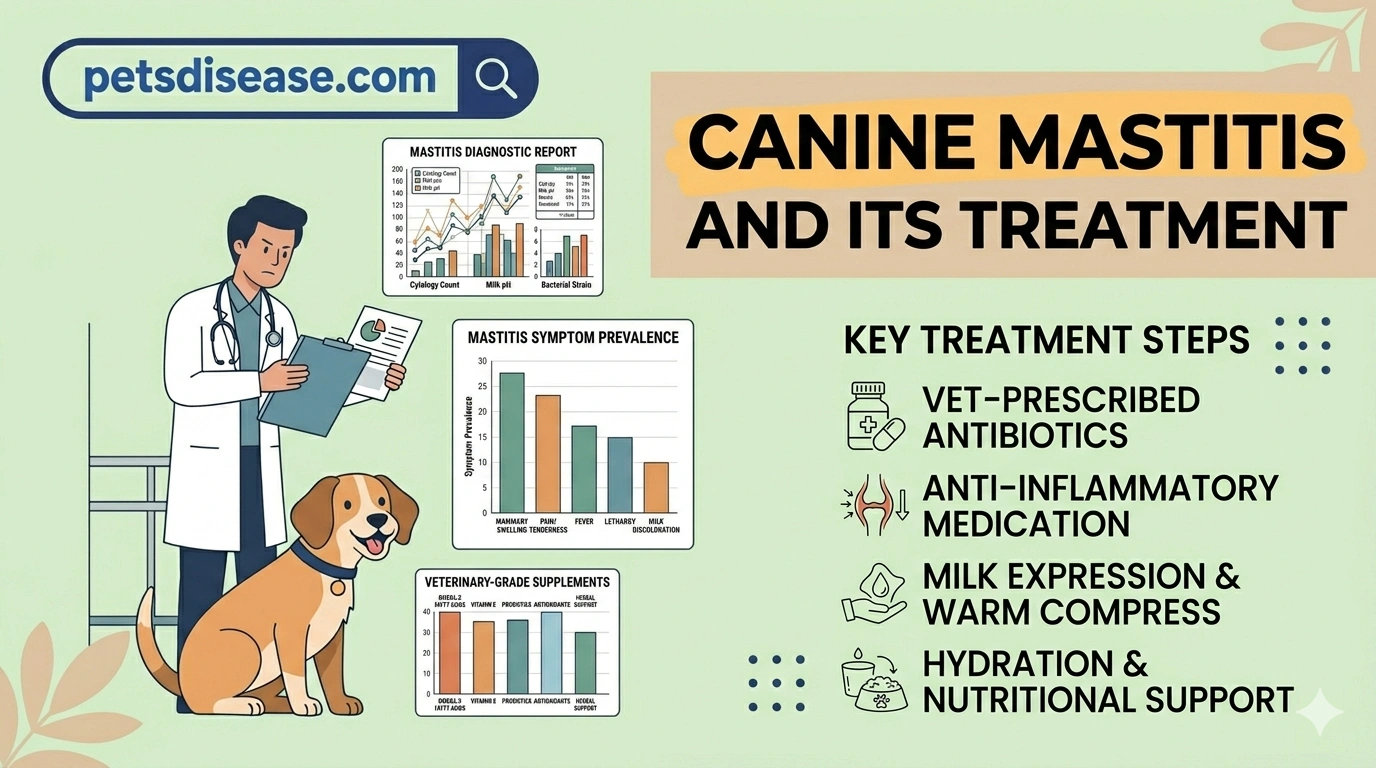
At first, veterinarians usually prescribe antibiotics to control infection. However, pain relief medicine may also be needed. Therefore, treatment depends on severity. Moreover, early treatment improves recovery speed.
In addition, vets may suggest warm compress therapy. Similarly, infected milk may need to be removed carefully. Because of this, professional care is very important along with the familiarity with Canine Mastitis and its Treatment
So, proper treatment helps reduce pain and swelling.
Recovery Timeline and Healing
Moreover, recovery depends on how early treatment begins. For instance, mild cases improve within days. In addition, severe cases take longer to heal. Therefore, patience is important during recovery.
Similarly, regular vet checkups ensure proper healing. Because of this, monitoring progress is necessary.
As a result, timely care leads to better recovery outcomes.
Home Support During Treatment
Therefore, home care supports medical treatment. For example, keeping the area clean helps prevent infection spread. In addition, rest improves healing. So, comfort is very important.
Moreover, feeding puppies safely also matters. Similarly, stress should be reduced. Because of this, stable care improves results.
As a result, combined care improves recovery success.
Treatment Comparison Table
| Treatment | Purpose | Effectiveness | Duration | Cost | Risk | Vet Role | Owner Role | Recovery | Outcome | Stability |
| Antibiotics | Kill infection | High | Medium | Medium | Low | High | High | Fast | Good | Stable |
| Pain relief | Reduce pain | Medium | Short | Low | Low | Medium | Medium | Moderate | Stable | Good |
| Warm compress | Reduce swelling | Medium | Medium | Low | Low | Medium | High | Good | Stable | Good |
| Milk drainage | Reduce pressure | High | Medium | Medium | Medium | High | High | Fast | Good | Stable |
| Rest care | Healing support | High | Ongoing | Low | None | Medium | High | Good | Stable | Strong |
| Hygiene care | Infection control | High | Ongoing | Low | Low | Medium | High | Good | Stable | Strong |
| Vet monitoring | Track progress | High | Ongoing | Medium | Low | High | Medium | Good | Stable | Strong |
| Diet support | Immunity boost | Medium | Ongoing | Low | None | Medium | High | Good | Stable | Strong |
| Surgery | Severe cases | High | One-time | High | High | High | Low | Variable | Risky | Unstable |
| Follow-up | Prevent relapse | High | Long-term | Medium | Low | High | High | Good | Stable | Strong |
How Vets Diagnose Canine Mastitis and its Treatment
Physical Examination Process
At first, veterinarians perform a physical check. However, they carefully examine swelling, heat, and pain. Therefore, initial inspection is very important. Moreover, it helps identify infected glands quickly.
In addition, vets ask about recent birth or nursing history. Similarly, they check overall health condition. Because of this, diagnosis starts with simple steps.
So, early examination guides further testing.
Laboratory and Testing Methods
Moreover, vets may test milk samples for infection. For instance, lab tests identify bacteria type. In addition, blood tests may check overall health. Therefore, diagnosis becomes more accurate.
Similarly, imaging tests may be used in severe cases. Because of this, deeper evaluation is sometimes needed.
As a result, testing ensures proper treatment planning.
Confirming Diagnosis and Treatment Plan
Therefore, after diagnosis, vets create a treatment plan. For example, antibiotics and care instructions are given. In addition, follow-up visits are scheduled. So, recovery is closely monitored.
Moreover, vets explain home care steps clearly. Similarly, owners must follow instructions carefully. Because of this, treatment becomes more effective.
As a result, proper diagnosis leads to successful recovery.
Diagnosis Comparison Table
| Step | Purpose | Method | Accuracy | Time | Cost | Complexity | Vet Role | Owner Role | Outcome | Importance |
| Physical exam | Initial check | Hands-on | Medium | Fast | Low | Low | High | Medium | Good | Critical |
| Milk test | Infection check | Lab | High | Medium | Medium | Medium | High | Medium | Accurate | High |
| Blood test | Health check | Lab | High | Medium | Medium | Medium | High | Medium | Accurate | High |
| Imaging | Deep analysis | Scan | High | Slow | High | High | High | Low | Precise | High |
| History review | Context | Questions | Medium | Fast | Low | Low | High | High | Useful | Medium |
| Symptom check | Identify stage | Observation | Medium | Fast | Low | Low | High | High | Helpful | High |
| Bacterial culture | Identify germ | Lab | Very high | Slow | High | High | High | Low | Precise | High |
| Pain check | Severity | Exam | Medium | Fast | Low | Low | High | High | Useful | High |
| Treatment plan | Care setup | Analysis | High | Medium | Medium | High | High | High | Effective | Critical |
| Follow-up | Monitoring | Visits | High | Ongoing | Medium | Medium | High | High | Stable | Critical |
Canine Mastitis in Dogs After Pregnancy and Birth
Understand Post-Birth Risk Factors
At first, it is important to know that mastitis often appears after pregnancy or birth. However, the owner should know Canine Mastitis and its Treatment as this happens because the mammary glands become very active during nursing. Therefore, bacteria can easily enter through small cracks. Moreover, first-time mothers may face higher risk due to inexperience.
In addition, milk buildup can create pressure in the glands. Similarly, poor hygiene during nursing increases infection chances. Because of this, extra care is needed after delivery. So, early monitoring becomes very important for new mothers.
Furthermore, quick detection helps prevent serious complications and supports faster healing.
Observe Changes During Nursing Period
Moreover, nursing dogs should always be checked regularly. For instance, swelling or redness may appear in one or more glands. In addition, puppies may cry more if milk flow is affected. Therefore, feeding behavior becomes an important clue.
Similarly, mother dogs may avoid nursing due to pain. Because of this, behavioral changes should never be ignored. Furthermore, slight discomfort can quickly turn into infection.
As a result, daily observation during nursing helps protect both mother and puppies.
Importance of Clean Environment
Therefore, hygiene plays a major role after birth. For example, clean bedding reduces bacterial growth. In addition, washing hands before handling puppies helps prevent infection. So, cleanliness becomes a key protective factor.
Moreover, regular grooming supports better skin health. Similarly, dry and clean surroundings reduce risks. Because of this, environmental care is essential.
As a result, proper hygiene significantly lowers the chance of mastitis.
Post-Birth Risk Comparison Table
| Factor | Low Risk | Medium Risk | High Risk | Impact | Visibility | Control | Owner Role | Vet Need | Outcome | Stability |
| Hygiene | Clean | Average | Dirty | High | Visible | High | High | Medium | Stable | Good |
| Milk buildup | None | Mild | Severe | High | Hidden | Medium | High | High | Risky | Moderate |
| Nursing pain | None | Mild | Severe | High | Visible | Medium | High | High | Variable | Unstable |
| Infection risk | Low | Medium | High | Very high | Hidden | Low | High | High | Risky | Unstable |
| Bedding condition | Clean | Moderate | Dirty | High | Visible | High | High | Medium | Stable | Good |
| Puppy feeding | Normal | Slight issue | Poor feeding | High | Visible | Medium | High | High | Risky | Moderate |
| Mother immunity | Strong | Moderate | Weak | High | Hidden | Low | Medium | High | Variable | Unstable |
| Stress level | Low | Medium | High | Medium | Hidden | High | High | Medium | Stable | Good |
| Injury risk | Low | Medium | High | High | Visible | Medium | High | Medium | Risky | Moderate |
| Vet care | Regular | Occasional | None | Very high | Visible | High | High | High | Stable | Strong |
Veterinary Diagnosis of Canine Mastitis Step by Step
Initial Physical Examination
At first, veterinarians begin with a physical examination for Canine Mastitis and its Treatment. However, they carefully check swelling, heat, and pain in the mammary glands. Therefore, this step helps identify infection quickly. Moreover, history of recent birth is also reviewed.
In addition, vets gently palpate affected areas to assess severity. Similarly, they observe behavior during examination. Because of this, early clues become clear.
So, physical examination forms the base of diagnosis.
Laboratory Testing and Sample Analysis
Moreover, vets often collect milk samples for testing. For instance, they check for bacteria or abnormal cells. In addition, blood tests may help detect infection levels. Therefore, diagnosis becomes more accurate.
Similarly, lab results guide treatment decisions. Because of this, proper testing improves recovery chances. Furthermore, severe cases may need advanced analysis.
As a result, lab testing ensures correct medical planning.
Confirm Diagnosis and Treatment Plan
Therefore, after tests, vets confirm the condition. For example, they prescribe antibiotics or pain relief. In addition, they may recommend warm compress therapy. So, treatment begins immediately.
Moreover, vets also explain home care instructions. Similarly, follow-up visits are scheduled. Because of this, recovery is closely monitored.
As a result, structured diagnosis leads to better treatment success.
Diagnosis Step Comparison Table
| Step | Purpose | Method | Accuracy | Time | Cost | Complexity | Owner Role | Vet Role | Outcome | Importance |
| Physical exam | Initial check | Hands-on | Medium | Fast | Low | Low | Medium | High | Good | Critical |
| History check | Context | Questions | Medium | Fast | Low | Low | High | High | Useful | High |
| Milk analysis | Infection detection | Lab test | Very high | Medium | Medium | Medium | Low | High | Accurate | Critical |
| Blood test | Infection level | Lab | High | Medium | Medium | Medium | Low | High | Reliable | High |
| Pain assessment | Severity | Observation | Medium | Fast | Low | Low | High | High | Useful | High |
| Imaging | Deep check | Scan | High | Slow | High | High | Low | High | Precise | High |
| Bacterial culture | Identify germ | Lab | Very high | Slow | High | High | Low | High | Accurate | Critical |
| Symptom review | Progress check | Observation | Medium | Fast | Low | Low | High | High | Helpful | High |
| Treatment planning | Care setup | Analysis | High | Medium | Medium | High | High | High | Effective | Critical |
| Follow-up | Recovery tracking | Visits | High | Ongoing | Medium | Medium | High | High | Stable | Critical |
Home Care Tips for Dogs with Canine Mastitis
Maintain Proper Hygiene
At first, cleanliness plays a very important role in recovery. However, infected areas should always be kept clean and dry. Therefore, gentle cleaning helps reduce bacteria growth. Moreover, vet-approved solutions should be used.
In addition, bedding must be changed regularly. Similarly, washing hands before handling puppies reduces infection risk. Because of this, hygiene becomes a daily priority.
So, clean surroundings support faster healing.
Support Comfort and Rest
Moreover, rest helps the body recover faster. For instance, owners should keep dogs in a quiet and safe place. In addition, owners should avoid stress as much as possible. Therefore, a calm environment is very helpful. Similarly, limiting physical activity reduces pain. Because of this, puppies recover more smoothly. Furthermore, owners should monitor puppies during feeding.
Similarly, limiting physical activity reduces pain. Because of this, recovery becomes smoother. Furthermore, puppies should be monitored during feeding.
As a result, comfort improves healing outcomes.
Monitor Symptoms Closely
Therefore, owners must observe daily changes.For example, owners should track swelling or redness. In addition, they should pay attention to changes in appetite and behavior. So, early reporting is important.
Moreover, owners should note any small improvements or worsening symptoms. Similarly, they should watch the feeding behavior of puppies.. Because of this, close monitoring helps treatment success.
As a result, early action prevents complications.
Home Care Comparison Table
| Care Step | Purpose | Effectiveness | Effort | Cost | Frequency | Risk Reduction | Vet Support | Owner Role | Outcome | Stability |
| Cleaning | Infection control | High | Medium | Low | Daily | High | Medium | High | Stable | Good |
| Rest | Healing support | High | Low | None | Continuous | High | Medium | High | Good | Stable |
| Bedding change | Hygiene | High | Medium | Low | Regular | High | Medium | High | Stable | Good |
| Medication | Treatment | Very high | High | Medium | Daily | High | High | High | Effective | Stable |
| Monitoring | Early detection | High | Medium | Low | Daily | High | High | High | Stable | Strong |
| Puppy care | Feeding support | High | High | Low | Daily | Medium | Medium | High | Stable | Good |
| Stress control | Recovery aid | High | Low | Low | Daily | High | Medium | High | Stable | Good |
| Nutrition | Strength | High | Medium | Low | Daily | High | Medium | High | Strong | Stable |
| Vet visits | Medical care | Very high | High | Medium | Scheduled | Very high | High | High | Effective | Strong |
| Hydration | Health support | High | Low | Low | Daily | Medium | Medium | High | Stable | Good |
Is Canine Mastitis Dangerous? Risks and Complications Explained
Understand Severity of the Condition
At first, many cases may start mild, but they can become serious quickly. However, untreated infection can spread fast. Therefore, early treatment is very important. Moreover, severity depends on how quickly care begins.
In addition, mild cases may heal easily with proper care. Similarly, advanced cases require strong medical support. Because of this, monitoring is essential.
So, timely action reduces danger significantly.
Possible Complications
Moreover, untreated mastitis can lead to serious problems. For example, infection may spread to other glands. In addition, abscess formation may occur. Therefore, complications can increase pain and risk.
Similarly, milk quality may become unsafe for puppies. Because of this, puppy health may also be affected. Furthermore, severe infection may weaken the mother dog.
As a result, complications can impact both mother and puppies.
Importance of Fast Treatment
Therefore, quick veterinary care reduces risks. For instance, antibiotics can control infection early. In addition, pain management improves comfort. So, early treatment is highly effective.
Moreover, follow-up care ensures full recovery. Similarly, home care supports medical treatment. Because of this, combined care is necessary.
As a result, fast action prevents serious complications.
Risk and Complication Comparison Table
| Risk Factor | Low | Medium | High | Severity | Visibility | Control | Treatment Need | Vet Priority | Outcome | Danger Level |
| Infection spread | No | Local | Widespread | High | Hidden | Medium | High | High | Risky | Severe |
| Abscess | None | Small | Large | High | Visible | Low | High | High | Severe | High |
| Milk contamination | Normal | Slight | Severe | Medium | Hidden | Medium | High | High | Risky | Moderate |
| Puppy health risk | Low | Medium | High | High | Visible | Low | High | High | Dangerous | High |
| Pain level | None | Mild | Severe | High | Hidden | Medium | High | High | Poor | High |
| Fever | No | Mild | High | High | Visible | Low | High | High | Serious | High |
| Appetite loss | Normal | Low | Severe | Medium | Visible | Medium | High | Medium | Weak | Moderate |
| Weakness | None | Mild | Severe | High | Visible | Low | High | High | Risky | High |
| Chronic infection | No | Possible | Yes | High | Hidden | Low | High | High | Long-term | High |
| Recovery delay | Fast | Moderate | Slow | High | Variable | Medium | High | High | Poor | High |
Conclusion: Canine Mastitis and its Treatment
Understanding Canine Mastitis helps every dog owner respond quickly and confidently when problems appear. However, early awareness makes the biggest difference in recovery and comfort. Therefore, noticing signs like swelling, pain, or changes in nursing behavior can protect both mother dogs and their puppies. In addition, clean living conditions, proper hygiene, and regular monitoring play a strong role in prevention and care.
Moreover, this condition can become serious if ignored, but timely veterinary treatment often leads to good recovery. As a result, antibiotics, supportive care, and home attention work together to improve healing. While every case is different, fast action always reduces complications. So, staying alert and informed is very important for pet owners. Above all, your care, attention, and quick response can make a real difference in your dog’s health, comfort, and recovery journey.
FAQs about Canine Mastitis and its Treatment
What is canine mastitis in dogs?
Canine mastitis is an infection or inflammation of the mammary glands in female dogs. It often occurs during or after nursing. In addition, it can cause pain, swelling, and redness. Therefore, early veterinary care is important to prevent complications and ensure proper recovery for both mother and puppies.
What are the first signs of canine mastitis?
Early signs include swelling, warmth, redness, and mild pain in the mammary area. In addition, dogs may become restless or avoid feeding puppies. Therefore, these early symptoms should not be ignored. Quick observation and vet consultation help improve recovery and reduce infection spread.
Is canine mastitis dangerous for dogs?
Yes, it can become dangerous if left untreated. In addition, infection may spread and cause abscesses or severe pain. Therefore, early treatment is very important. However, with proper veterinary care, most dogs recover well and avoid serious complications.
What causes canine mastitis?
Canine mastitis is usually caused by bacterial infection entering the mammary glands. In addition, poor hygiene, milk buildup, or small injuries during nursing can increase risk. Therefore, clean environments and proper care during feeding help prevent infection and reduce complications.
How is canine mastitis treated?
Veterinarians usually treat it with antibiotics and pain relief medication. In addition, warm compresses and proper cleaning may help recovery. Therefore, early treatment improves healing speed. Follow-up care is also important to ensure the infection is fully controlled.
Can puppies be affected by canine mastitis?
Yes, puppies can be affected indirectly. In addition, infected milk may reduce feeding quality or harm their health. Therefore, owners should monitor puppy weight and behavior carefully. If feeding problems appear, owners should seek veterinary help immediately.
How can I care for a dog with mastitis at home?
You should keep the area clean, ensure rest, and follow vet instructions carefully. In addition, monitor swelling, pain, and feeding behavior daily. Therefore, proper home care supports medical treatment and helps faster recovery.
Can canine mastitis go away on its own?
No, it usually does not go away without treatment. In addition, infection can worsen over time. Therefore, veterinary care is necessary to control bacteria and prevent complications. Early treatment leads to better and faster recovery.
How long does recovery from canine mastitis take?
Recovery time depends on severity and early treatment. In addition, mild cases improve within days, while severe cases take longer. Therefore, consistent medication and care are important for full healing and comfort.
How can I prevent canine mastitis in dogs?
You can prevent it by maintaining good hygiene, cleaning bedding regularly, and monitoring nursing dogs closely. In addition, early detection of injuries helps reduce risk. Therefore, proper care and regular vet checkups are key to prevention.